
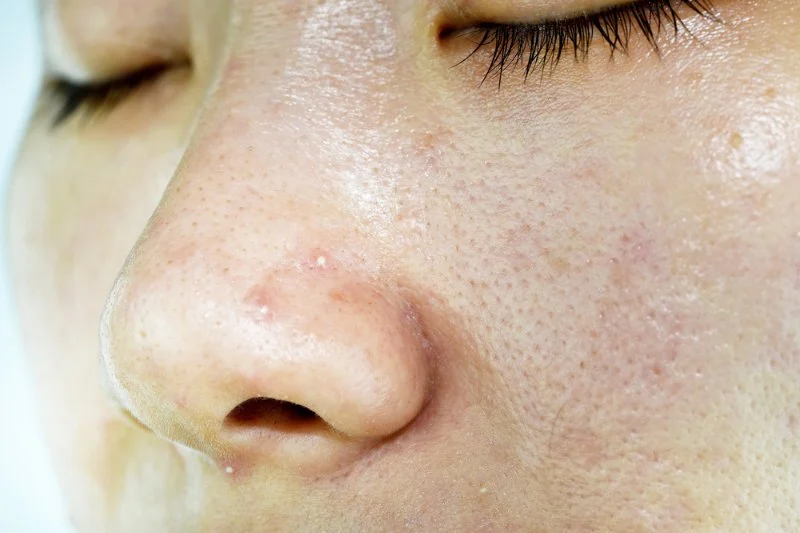
- understanding-hyaluronic-acid-and-whiteheads
- why-hyaluronic-acid-can-trigger-whiteheads
- how-to-prevent-hyaluronic-acid-for-whiteheads-skin
- choosing-the-right-formula-for-sensitive-or-acne-prone-skin
- layering-products-correctly-with-hyaluronic-acid
- real-case-lessons-from-misuse-of-hyaluronic-acid
- personalized-solutions-through-skincare-experts
1. Understanding Hyaluronic Acid and Whiteheads
Hyaluronic acid is often celebrated for its hydrating power, especially for dry or dehydrated skin types. However, for individuals struggling with whiteheads—those small, clogged pores filled with keratin and oil—using this skincare favorite might not always yield glowing results. Understanding the interaction between hyaluronic acid and your skin type is key to avoiding unwanted breakouts.
2. Why Hyaluronic Acid Can Trigger Whiteheads
Though non-comedogenic by nature, hyaluronic acid can sometimes contribute indirectly to whitehead formation. When applied incorrectly, or when layered with pore-clogging occlusives, it can trap oil, bacteria, or sweat beneath the skin’s surface—creating the perfect storm for whiteheads. Additionally, if your skin barrier is already compromised, adding too much moisture may overwhelm your pores instead of helping them heal.
3. How to Prevent Hyaluronic Acid for Whiteheads Skin
The key isn’t necessarily avoiding hyaluronic acid—but learning how to prevent it from worsening whiteheads. Here are some preventive strategies:
- Use it on damp skin: Hyaluronic acid draws moisture. If used on dry skin, it may pull hydration from deeper layers of your skin, causing dryness or imbalance.
- Avoid sealing it with heavy creams: Occlusive products like petroleum jelly or thick oils can trap debris and sweat, increasing whitehead risk when used with hyaluronic acid.
- Go low and slow: For acne-prone users, start with low concentrations (under 1%) to test tolerance before committing to higher-dose serums.
- Incorporate exfoliation: Regular use of gentle AHAs or BHAs can help clear buildup, reducing the chance of hyaluronic-related clogs.
4. Choosing the Right Formula for Sensitive or Acne-Prone Skin
Not all hyaluronic acid products are created equal. If you’re prone to whiteheads, opt for water-based formulas free from silicones, synthetic fragrances, or alcohol. Multi-molecular hyaluronic acid blends often work better, delivering hydration to various layers of the skin without congesting pores.
Avoid pairing with oil-rich moisturizers unless your skin is extremely dry. Gel-based moisturizers are typically safer for whitehead-prone skin types.
5. Layering Products Correctly with Hyaluronic Acid
One of the biggest mistakes in skincare is poor layering. Hyaluronic acid should go on clean, slightly damp skin, followed by lightweight serums or moisturizers. Overloading your skin with thick layers may block natural skin processes, which can lead to breakouts—including whiteheads.
Night routines often exacerbate the issue due to heat, pillow friction, and oil production during sleep. Keep nighttime skincare light and breathable.
6. Real Case: Lessons from Misuse of Hyaluronic Acid
Take Megan, a 24-year-old student from Chicago, who began using a popular 2% hyaluronic acid serum layered with rosehip oil. Within two weeks, her cheeks and forehead developed clusters of stubborn whiteheads. After consulting a professional, she learned the culprit was the occlusive oil trapping sebum under her skin. Once she switched to a single lightweight moisturizer and reduced serum use, her skin cleared significantly.
This highlights the need for personalization when adding hydrating ingredients to an already reactive skin type.
7. Personalized Solutions Through SkinCare Experts
While hyaluronic acid can be a valuable ally for hydration, it requires proper use, especially for those prone to whiteheads. Not sure what works best for your skin? Platforms like SkinCare Experts can connect you with tailored advice and product recommendations based on your unique skin type, concerns, and lifestyle.
Understanding your skin’s hydration threshold is just as crucial as choosing the right active ingredients. Don’t let a generic routine sabotage your progress—trust personalized skincare guidance to get the glow you’re aiming for.




 ProSkin5.0 (20 reviews)
 Especially Aesthetic0.0 (0 reviews)
 Cameron Dermatology4.0 (572 reviews)
 LillyFace Premium Skin Care5.0 (1 reviews)
 Wake Up & Make Up By Ann Located in own building4.0 (13 reviews)
 Tampa Bay Laser Lipo4.0 (55 reviews)
 Daily Skin Care Routine for Dark Circles in People Living in Dry Climates
 How to Avoid Oily Skin in People with Sensitive Skin – Dermatologist Tips & Daily Skincare Guide
 How To Soothe Cleansers to Improve Inflamed Skin Naturally and Effectively
 How to Deal with Uneven Skin Tone Using Natural Remedies
 Daily Skin Care Routine For Dull Skin In People With Sensitive Skin
 How To Soothe Redness Using Natural Remedies