
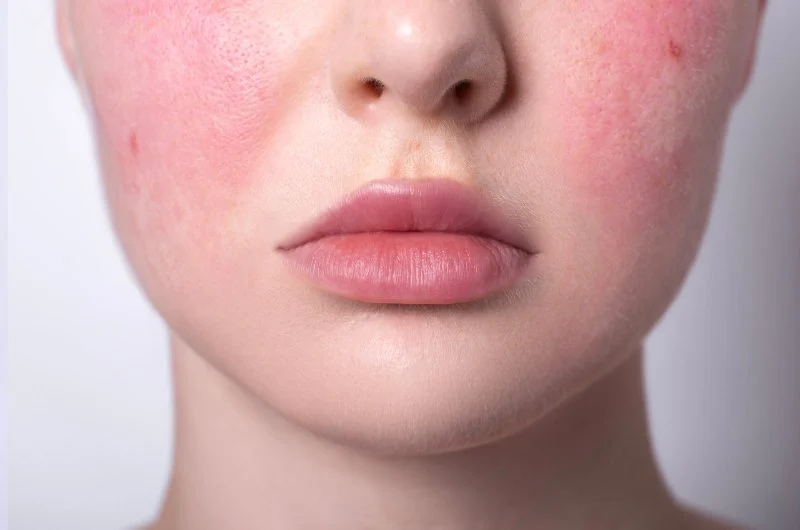
How To Achieve Rosacea And How To Manage It
Rosacea is a common yet often misunderstood skin condition that affects millions of people worldwide. Known for its red, inflamed skin, particularly on the face, rosacea can cause embarrassment and discomfort. While there is no definitive cure for rosacea, understanding how to manage it and prevent flare-ups is key to maintaining healthy skin. In this article, we’ll explore how to achieve rosacea relief and how to manage the condition effectively.
- What is Rosacea?
- Common Triggers of Rosacea
- How to Prevent Rosacea Flare-Ups
- Skincare Tips for Rosacea Sufferers
- How a Dermatologist Can Help Manage Rosacea
- Diet and Lifestyle Changes for Managing Rosacea
- Top Treatments for Rosacea
- When to Seek Medical Attention for Rosacea
What is Rosacea?
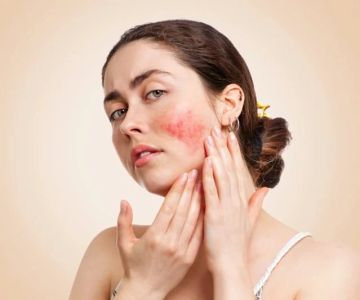
Rosacea is a chronic skin condition that causes redness, visible blood vessels, and sometimes pimples on the face. It typically appears on the cheeks, nose, chin, and forehead, although it can affect other areas of the body as well. Rosacea can occur in various forms, from mild redness to more severe flare-ups that include pustules and thickened skin. The cause of rosacea is not completely understood, but it is believed to involve a combination of genetic and environmental factors.
Common Triggers of Rosacea
Rosacea flare-ups are often triggered by specific factors. Some of the most common triggers include:
- Hot weather and sun exposure
- Stress and anxiety
- Spicy foods or hot beverages
- Alcohol, especially red wine
- Harsh skincare products
- Extreme temperatures, both hot and cold
- Physical activity or exercise
By identifying and avoiding these triggers, many rosacea sufferers can reduce the frequency and severity of flare-ups.
How to Prevent Rosacea Flare-Ups
Preventing rosacea flare-ups involves understanding your personal triggers and making lifestyle changes to avoid them. Here are some strategies:
- Protect your skin from the sun: Always wear sunscreen with a broad-spectrum SPF of at least 30, even on cloudy days. A wide-brimmed hat and sunglasses can also help protect your face from direct sunlight.
- Use gentle skincare products: Avoid harsh cleansers or exfoliants. Opt for mild, fragrance-free skincare products that won’t irritate your skin.
- Keep your stress levels in check: Practice relaxation techniques such as yoga, meditation, or deep breathing exercises to manage stress.
- Stay cool: Avoid hot showers and try to keep cool during exercise or outdoor activities, particularly in warm weather.
Skincare Tips for Rosacea Sufferers
Proper skincare is essential for managing rosacea and reducing flare-ups. Here are some tips to incorporate into your daily routine:
- Use a gentle cleanser: Choose a non-foaming, hydrating cleanser that won’t strip your skin of its natural oils.
- Moisturize regularly: Keeping your skin hydrated helps prevent dryness and irritation. Look for moisturizers with calming ingredients like ceramides or niacinamide.
- Apply sunscreen daily: Even when staying indoors, UV rays can still cause damage, so make sunscreen a part of your daily skincare regimen.
- Avoid touching your face: Touching or rubbing your face can irritate your skin and trigger flare-ups, so be mindful of this habit.
How a Dermatologist Can Help Manage Rosacea
While lifestyle changes and skincare routines are important, consulting a dermatologist is often necessary for managing rosacea effectively. A dermatologist can assess the severity of your condition and recommend medical treatments such as:
- Prescription medications like topical antibiotics (e.g., metronidazole) or oral antibiotics (e.g., doxycycline)
- Laser treatments to reduce redness and visible blood vessels
- Prescription topical treatments like azelaic acid or ivermectin
- Light therapy (IPL) to reduce skin inflammation
Diet and Lifestyle Changes for Managing Rosacea
Managing rosacea goes beyond skincare and medical treatments. Dietary and lifestyle changes can also help reduce flare-ups. Consider the following tips:
- Maintain a healthy diet: Some studies suggest that a diet high in antioxidants can reduce inflammation. Include plenty of fruits, vegetables, and whole grains in your meals.
- Avoid trigger foods: Spicy foods, alcohol, and caffeine may worsen rosacea symptoms in some people. Try to avoid these items if they’re known triggers for you.
- Stay hydrated: Drinking plenty of water helps maintain skin health and can help minimize the effects of rosacea.
Top Treatments for Rosacea
Several treatment options are available for managing rosacea, depending on its severity. Some of the most popular treatments include:
- Topical treatments: Medications such as metronidazole or azelaic acid can reduce inflammation and redness.
- Oral medications: In more severe cases, oral antibiotics like doxycycline may be prescribed to control flare-ups.
- Laser therapy: Laser treatments such as intense pulsed light (IPL) or pulsed dye laser (PDL) can reduce redness and visible blood vessels.
When to Seek Medical Attention for Rosacea
If your rosacea symptoms worsen despite at-home treatments or over-the-counter products, it’s important to consult a dermatologist. If you experience the following, seek professional care:
- Your rosacea is not responding to at-home treatments
- You develop painful, swollen pimples or cysts
- Your symptoms are affecting your self-esteem or mental health
For more advice and treatment options tailored to your skin’s needs, visit SkinCare Experts for expert recommendations on rosacea management.

 GLO30 National Landing4.0 (218 reviews)
 Linda Lee Skin Care & Natural Nails5.0 (2 reviews)
 Carson Skin Rejuvenation5.0 (13 reviews)
 Charm's Aesthetics, LLC5.0 (5 reviews)
 Skin By Candace4.0 (13 reviews)
 Epiphany Dermatology4.0 (1746 reviews)
 How To Boost Your Skin's Sensitive Skin In People Living In Humid Climates
 How To Repair Scars In People Over 40
 How To Brighten Sun Damage Effectively
 Top Tips for Fine Lines in Women: How to Manage and Reduce Them
 How To Reduce Dull Skin With A Simple Routine | Skincare Tips for Radiance
 How To Use Inflamed Skin Treatments for People with Combination Skin