
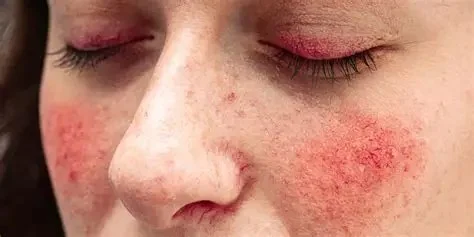
- identify-your-redness-triggers
- tip-1-choose-the-right-soothing-ingredients
- tip-2-strengthen-your-skin-barrier
- tip-3-adjust-your-lifestyle-to-reduce-inflammation
- tip-4-avoid-these-common-mistakes
- tip-5-consider-expert-guidance-and-skin-devices
1. Identify Your Redness Triggers
Redness can be frustrating, especially when it seems to appear out of nowhere. For many, it's not just a cosmetic concern—it can signal underlying issues such as rosacea, inflammation, or a disrupted skin barrier. The first step in healing your redness is understanding what’s causing it. Common triggers include harsh weather, spicy foods, over-exfoliation, or even stress.
Jasmine, a 35-year-old yoga instructor, experienced chronic redness she assumed was sensitivity. After a consultation, it turned out her favorite citrus-scented serum was the culprit. Identifying her personal trigger helped her choose products that calmed her skin instead of irritating it.
2. Tip 1: Choose the Right Soothing Ingredients
When redness is the issue, ingredients matter. Look for products that contain niacinamide, centella asiatica (also known as cica), green tea extract, and panthenol. These are known for their anti-inflammatory and skin-calming properties.
One standout product from SkinCare Experts combines chamomile and azelaic acid in a lightweight serum that users say visibly reduced their redness within a week. Avoid essential oils and synthetic fragrances as these often worsen skin irritation even when labeled as "natural."
3. Tip 2: Strengthen Your Skin Barrier
Your skin barrier is your frontline defense, and when it's compromised, redness tends to flare up. Hydrating ingredients like ceramides, hyaluronic acid, and fatty acids help rebuild and maintain this barrier. Moisturizers rich in these components lock in moisture while preventing irritants from penetrating the skin.
Many dermatologists recommend a minimalist approach: cleanse gently, moisturize well, and avoid introducing too many new products at once. Overcomplicating your routine can actually make redness worse, especially if the barrier is already fragile.
4. Tip 3: Adjust Your Lifestyle to Reduce Inflammation
Internal inflammation often shows up externally, and chronic redness may be linked to what’s happening inside your body. Reducing sugar intake, staying hydrated, and managing stress through sleep and mindfulness practices can all make a noticeable difference. Avoid hot showers and alcohol-heavy skincare, which can dilate blood vessels and increase facial redness.
Sarah, a 42-year-old teacher, documented her redness-recovery journey online. Her transformation came not from expensive treatments, but from shifting to anti-inflammatory foods, cutting back on exfoliation, and using a calming mist twice daily.
5. Tip 4: Avoid These Common Mistakes
Redness often gets worse due to well-intentioned mistakes. These include using overly abrasive exfoliants, skipping SPF, or applying actives like retinol too frequently. Less is often more when healing reactive skin.
Another underrated issue is temperature: applying hot water or storing skincare in warm environments can compromise product stability and your skin's tolerance. Opt for lukewarm water and consider keeping your toner in the fridge for an extra cooling effect.
6. Tip 5: Consider Expert Guidance and Skin Devices
If your redness is persistent or painful, a dermatologist or skin expert can offer targeted advice. Devices like LED red light therapy have also shown clinical benefits for calming redness and reducing vascular activity in the skin. But always choose FDA-cleared, home-use devices and follow protocols carefully.
At SkinCare Experts, professionals can help match you with the right combination of skincare and non-invasive tools to speed up recovery. Personalized plans are often more effective than trial and error, especially if redness has been a long-term concern.
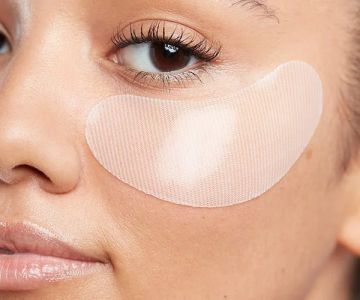





 ProSkin5.0 (20 reviews)
 Especially Aesthetic0.0 (0 reviews)
 Cameron Dermatology4.0 (572 reviews)
 LillyFace Premium Skin Care5.0 (1 reviews)
 Wake Up & Make Up By Ann Located in own building4.0 (13 reviews)
 Tampa Bay Laser Lipo4.0 (55 reviews)
 Daily Skin Care Routine for Dark Circles in People Living in Dry Climates
 How to Avoid Oily Skin in People with Sensitive Skin – Dermatologist Tips & Daily Skincare Guide
 How To Soothe Cleansers to Improve Inflamed Skin Naturally and Effectively
 How to Deal with Uneven Skin Tone Using Natural Remedies
 Daily Skin Care Routine For Dull Skin In People With Sensitive Skin
 How To Soothe Redness Using Natural Remedies