
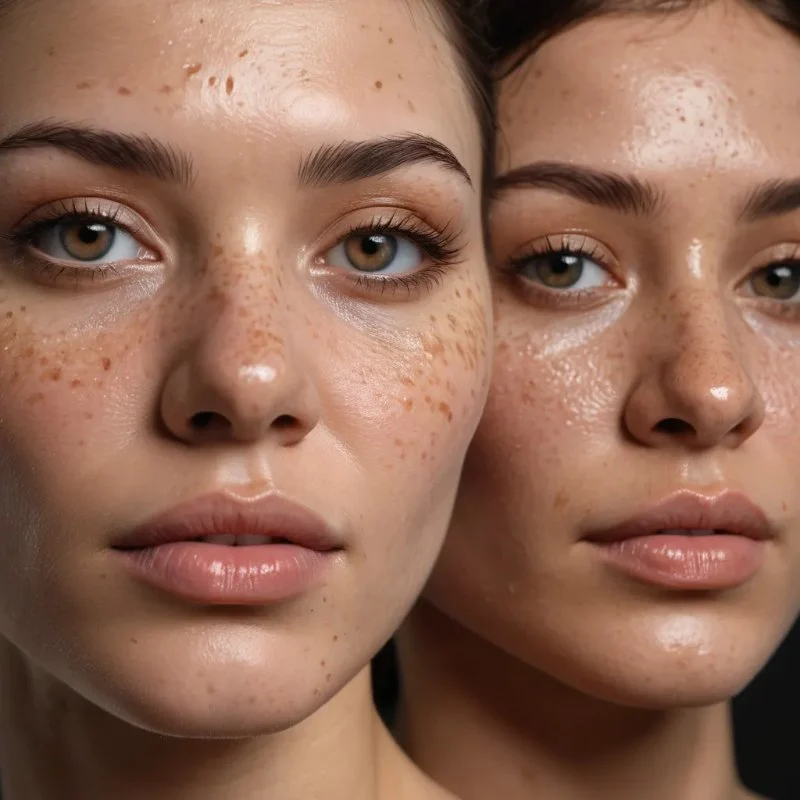
How To Heal Hyperpigmentation And How To Manage It
- 1-Understanding Hyperpigmentation
- 2-Causes of Hyperpigmentation
- 3-How To Heal Hyperpigmentation Effectively
- 4-Managing Hyperpigmentation for Long-Term Results
- 5-Why Choose SkinCare Experts for Hyperpigmentation Solutions
1. Understanding Hyperpigmentation
Hyperpigmentation refers to the darkening of the skin caused by an increase in melanin production. This condition can affect various areas of the body, especially the face, and is often characterized by dark spots, uneven skin tone, or patches of skin that are darker than the surrounding areas.
Hyperpigmentation is common and can affect individuals of all skin types, although it may be more prominent in those with darker skin tones. It can occur at any age, and while it’s not harmful, it can be distressing, impacting self-confidence and overall appearance.
2. Causes of Hyperpigmentation
There are several factors that contribute to the development of hyperpigmentation. Understanding the root causes can help with prevention and treatment. Common causes of hyperpigmentation include:
- Sun Exposure: The most common cause of hyperpigmentation is excessive exposure to the sun, which triggers melanin production. This is why sun spots or age spots often appear on areas like the face, hands, and shoulders.
- Post-Inflammatory Hyperpigmentation (PIH): This type of pigmentation occurs after skin injuries, such as acne, burns, or cuts, heal. It often leaves dark marks or spots where the injury occurred.
- Hormonal Changes: Conditions like pregnancy, menopause, or the use of birth control can cause hormonal fluctuations that lead to a condition known as melasma, often referred to as the "mask of pregnancy."
- Certain Medications: Some medications, including birth control or antibiotics, can cause sensitivity to the sun, increasing the risk of developing hyperpigmentation.
- Aging: As we age, the skin may produce uneven amounts of melanin, leading to the appearance of dark spots and uneven pigmentation.
3. How To Heal Hyperpigmentation Effectively
While hyperpigmentation can take time to fade, there are several treatments and lifestyle changes that can help heal and lighten dark spots. Here are some effective ways to treat hyperpigmentation:
- Use Sunscreen Daily: The first and most important step in healing hyperpigmentation is protecting your skin from further sun damage. Use a broad-spectrum sunscreen with SPF 30 or higher every day, even when it’s cloudy.
- Incorporate Brightening Ingredients: Look for skincare products that contain ingredients like vitamin C, niacinamide, licorice extract, and alpha hydroxy acids (AHAs). These ingredients help lighten dark spots, even out skin tone, and prevent future pigmentation.
- Exfoliate Regularly: Gentle exfoliation can help remove dead skin cells and promote cell turnover, which aids in fading hyperpigmentation. Use products containing glycolic acid or lactic acid, but be careful not to over-exfoliate as this can irritate the skin.
- Topical Treatments for Dark Spots: Retinoids and hydroquinone are both known for their ability to reduce the appearance of dark spots. These ingredients promote the shedding of old skin and the formation of new, even-toned skin.
- Consider Professional Treatments: If over-the-counter options aren’t working, consider treatments like chemical peels, microdermabrasion, or laser therapy to target and reduce hyperpigmentation. These treatments are best performed by a dermatologist or licensed professional.
4. Managing Hyperpigmentation for Long-Term Results
Managing hyperpigmentation requires consistent care and patience. Here are some long-term strategies to keep your skin healthy and prevent new dark spots from forming:
- Consistency is Key: Regular use of sunscreen and brightening ingredients is essential. Results take time, so it’s important to stick with your skincare routine and give products time to work.
- Avoid Picking at Skin: Avoid picking or squeezing blemishes, as this can lead to post-inflammatory hyperpigmentation and scarring.
- Maintain a Healthy Diet: A healthy, well-balanced diet rich in antioxidants, such as vitamin E and omega-3 fatty acids, can promote healthy skin and help reduce pigmentation.
- Hydrate: Drinking plenty of water helps maintain the skin’s moisture balance, which supports its natural healing process and helps fade dark spots.
5. Why Choose SkinCare Experts for Hyperpigmentation Solutions
At SkinCare Experts, we understand the challenges of managing hyperpigmentation, and we offer personalized skincare solutions to help you heal and manage dark spots effectively. Whether you’re looking for over-the-counter products or professional treatments, we provide expert advice and high-quality skincare options that are suitable for all skin types.
From products containing brightening ingredients like vitamin C and niacinamide to professional-grade treatments, SkinCare Experts can help you create a tailored skincare routine designed to target hyperpigmentation and restore your skin’s natural radiance.
Visit SkinCare Experts today to learn more about our products and services for hyperpigmentation and start your journey toward even-toned, healthy skin.




 GLO30 National Landing4.0 (218 reviews)
 Linda Lee Skin Care & Natural Nails5.0 (2 reviews)
 Carson Skin Rejuvenation5.0 (13 reviews)
 Charm's Aesthetics, LLC5.0 (5 reviews)
 Skin By Candace4.0 (13 reviews)
 Epiphany Dermatology4.0 (1746 reviews)
 How To Boost Your Skin's Sensitive Skin In People Living In Humid Climates
 How To Repair Scars In People Over 40
 How To Brighten Sun Damage Effectively
 Top Tips for Fine Lines in Women: How to Manage and Reduce Them
 How To Reduce Dull Skin With A Simple Routine | Skincare Tips for Radiance
 How To Use Inflamed Skin Treatments for People with Combination Skin