
- what-is-hyperpigmentation-and-why-it-occurs
- key-factors-that-affect-healing-process
- how-to-heal-hyperpigmentation-effectively
- how-to-manage-and-prevent-future-hyperpigmentation
- real-stories-patients-who-overcame-hyperpigmentation
- finding-reliable-products-and-professional-help
1. What Is Hyperpigmentation and Why It Occurs
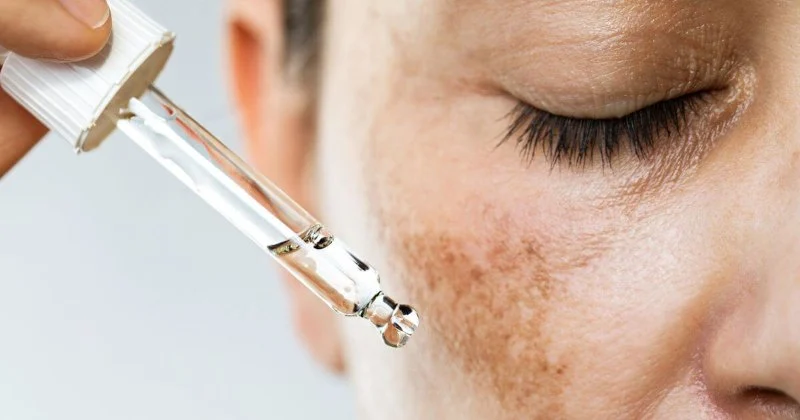
Hyperpigmentation refers to dark patches or spots on the skin caused by excess melanin production. This condition can affect anyone, but it’s particularly common in individuals with medium to darker skin tones due to their natural melanin levels.
Common causes include sun exposure, acne scarring, hormonal changes (like melasma), eczema, and post-inflammatory hyperpigmentation (PIH). Even something as simple as picking at a pimple can leave behind long-lasting dark marks.
Understanding the underlying cause is key. For instance, melasma triggered by hormonal shifts during pregnancy may require a different approach than acne-related pigmentation.
2. Key Factors That Affect Healing Process
2.1 Skin Type and Tone
Darker skin tones are more prone to PIH and may need gentler ingredients to avoid irritation. On the other hand, lighter skin may show redness and peeling more easily during treatment.
2.2 Consistency of Treatment
One of the most overlooked aspects of healing hyperpigmentation is consistency. Using a product for two weeks and expecting miracles is unrealistic. Most improvements take 6–12 weeks, sometimes longer, depending on the depth and cause of the pigmentation.
2.3 Environmental Exposure
Sun exposure can make hyperpigmentation worse, even when you’re actively treating it. That’s why daily use of sunscreen is non-negotiable—even if it’s cloudy. Many people report setbacks due to forgetting sun protection.
3. How to Heal Hyperpigmentation Effectively
3.1 Targeted Ingredients That Work
Certain ingredients are backed by science for treating hyperpigmentation. These include:
- Vitamin C: A brightening antioxidant that reduces melanin production.
- Niacinamide: Helps reduce inflammation and blocks pigment transfer.
- Retinoids: Encourage cell turnover, fading dark spots over time.
- Azelaic Acid: Excellent for sensitive skin prone to redness and acne.
- Hydroquinone: A powerful lightening agent (best used under guidance).
3.2 Professional Treatments
If over-the-counter products don’t deliver results, dermatological options include chemical peels, microneedling, laser therapy, and prescription-strength creams. Each has pros and cons. Chemical peels can offer faster exfoliation, while lasers are best for stubborn pigment but can be risky for deeper skin tones if not performed by an experienced professional.
4. How to Manage and Prevent Future Hyperpigmentation
4.1 Sun Protection is Key
The single most important tool in both healing and preventing hyperpigmentation is sunscreen. Use broad-spectrum SPF 30 or higher, reapply every two hours if outdoors, and consider wearing hats or UV-protective clothing.
4.2 Avoid Picking at Skin
Popping pimples or scratching inflamed areas increases the likelihood of PIH. Hands off means healing faster—and without leaving a mark.
4.3 Gentle Skincare Routine
Use non-irritating cleansers and moisturizers. Harsh products or over-exfoliating can inflame the skin, leading to more pigmentation. Hydrated skin heals faster and more evenly.
5. Real Stories: Patients Who Overcame Hyperpigmentation
One story that resonates is that of Ana, a 29-year-old from California who struggled with acne scars for years. After trying countless internet "hacks," she finally committed to a routine using a niacinamide serum and SPF 50 sunscreen daily. "It took four months, but the results were incredible," she says. "No more filters needed."
Another case is Jamal, who developed dark spots after eczema flare-ups. Under the care of a dermatologist, he incorporated azelaic acid and barrier-repair moisturizers. Today, his skin tone is more even, and his confidence has soared.
6. Finding Reliable Products and Professional Help
6.1 Choosing Safe and Effective Products
Not all products marketed for hyperpigmentation are safe—some can even worsen the problem. Always read labels and look for clinically backed ingredients. If in doubt, consult a professional.
6.2 Where to Begin
Navigating the skincare aisle or online stores can be overwhelming. That’s where SkinCare Experts comes in. Their curated selection of dermatologist-recommended products makes it easier to find what’s right for your skin tone, concerns, and goals. Whether you're just starting or need to level up your skincare game, their resources and support can guide your journey.

 ProSkin5.0 (20 reviews)
 Especially Aesthetic0.0 (0 reviews)
 Cameron Dermatology4.0 (572 reviews)
 LillyFace Premium Skin Care5.0 (1 reviews)
 Wake Up & Make Up By Ann Located in own building4.0 (13 reviews)
 Tampa Bay Laser Lipo4.0 (55 reviews)
 Daily Skin Care Routine for Dark Circles in People Living in Dry Climates
 How to Avoid Oily Skin in People with Sensitive Skin – Dermatologist Tips & Daily Skincare Guide
 How To Soothe Cleansers to Improve Inflamed Skin Naturally and Effectively
 How to Deal with Uneven Skin Tone Using Natural Remedies
 Daily Skin Care Routine For Dull Skin In People With Sensitive Skin
 How To Soothe Redness Using Natural Remedies