
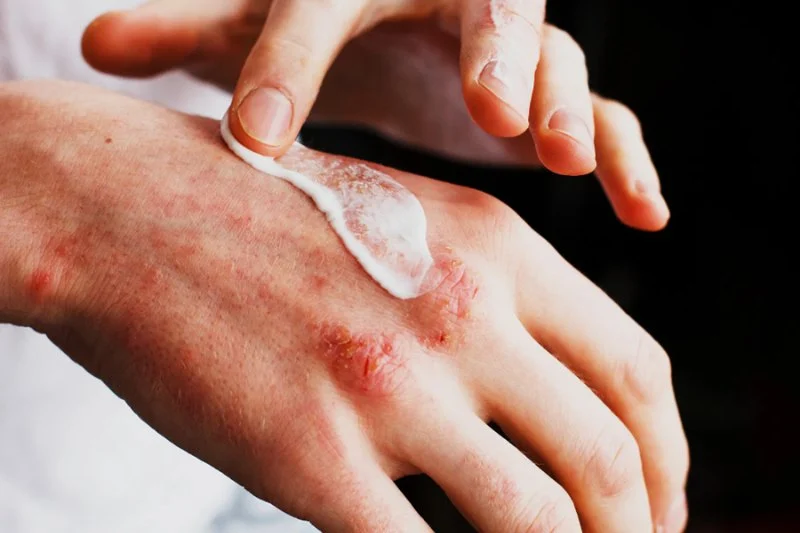
- 1. Understanding Eczema and Combination Skin
- 2. How Eczema Affects Combination Skin
- 3. Challenges of Treating Eczema with Combination Skin
- 4. Best Skin Care Practices for Combination Skin with Eczema
- 5. When to Seek Professional Help for Eczema
1. Understanding Eczema and Combination Skin
Eczema is a chronic condition that causes inflammation, redness, and irritation on the skin. It is particularly troublesome for people with combination skin, which is characterized by both dry and oily areas. Typically, combination skin may have a greasy T-zone (forehead, nose, and chin) and dry cheeks or other parts of the face.
Managing eczema in people with combination skin requires a thoughtful approach that addresses both the dry patches associated with eczema and the oily areas that may not require the same level of hydration. By understanding the unique needs of combination skin, you can effectively treat eczema without exacerbating either condition.
2. How Eczema Affects Combination Skin
Eczema’s impact on combination skin can be quite complex. The dry areas, which are prone to flaking and irritation, can become more sensitive during eczema flare-ups. On the other hand, the oily areas may be less affected by eczema but could react to certain treatments meant for dry skin. Managing eczema involves finding products and routines that balance both extremes without causing more damage.
The main challenge is to find products that don’t exacerbate oiliness or dryness. Harsh products can aggravate the dry patches, while oily products can clog pores and make the T-zone more prone to breakouts. It’s essential to adopt a customized skin care routine for treating eczema in people with combination skin.
3. Challenges of Treating Eczema with Combination Skin
Treating eczema in combination skin can be tricky due to the varying needs of different skin areas. Some common challenges include:
- Finding the Right Moisturizer: Many eczema treatments focus on heavy moisturization to combat dryness, but these may feel too greasy for oily areas.
- Balancing Treatments: Certain eczema creams and treatments might be too rich for the T-zone, causing excess oil production and potential breakouts.
- Skin Sensitivity: Combination skin is often more sensitive, meaning that even small changes in products or treatment methods can cause irritation or worsen eczema symptoms.
- Managing Flare-Ups: Eczema flare-ups can be unpredictable, and maintaining a consistent routine that targets both oily and dry patches can be a difficult balance to strike.
4. Best Skin Care Practices for Combination Skin with Eczema
Managing eczema with combination skin requires a tailored approach to skincare. Here are some dermatologist-approved tips:
- Use a Gentle Cleanser: Opt for a mild, fragrance-free cleanser that doesn’t strip the skin’s natural oils. This will keep the skin’s barrier intact and avoid irritating sensitive areas while cleansing oily zones effectively.
- Choose Non-Comedogenic Moisturizers: Look for moisturizers that hydrate the dry patches without clogging pores. Gel-based or water-based moisturizers can work well for combination skin.
- Avoid Harsh Scrubs: Exfoliating with rough scrubs can irritate eczema and further disrupt the balance of your skin. Use a gentle exfoliant with mild exfoliating ingredients like lactic acid instead.
- Spot Treat Dry Patches: Apply heavier emollients only to the dry, eczema-affected areas. Products like thick creams or ointments that are designed for dry skin can be applied just to these areas.
- Incorporate Anti-Inflammatory Ingredients: Ingredients like colloidal oatmeal, ceramides, and aloe vera can help calm inflammation and soothe irritated skin, especially in areas affected by eczema.
- Wear Sunscreen: Even when dealing with eczema, sunscreen is essential. Opt for a gentle, non-comedogenic sunscreen that won’t irritate your skin.
5. When to Seek Professional Help for Eczema
If you’re struggling to manage eczema on your own, or if your skin is not responding to over-the-counter treatments, it’s essential to seek professional help. Here are some signs that you should see a dermatologist or a skin care expert:
- If eczema flare-ups are frequent or severe.
- If you experience intense itching, pain, or swelling.
- If over-the-counter products are not effective or are causing more irritation.
- If your eczema leads to secondary infections or excessive skin damage.
A dermatologist or eczema specialist can help create a customized treatment plan, including prescription creams, oral medications, or even light therapy. Professional guidance ensures you’re using the right products in the right way to manage eczema while balancing the needs of your combination skin.
For more expert tips and skin care products designed specifically for eczema and combination skin, visit SkinCare Experts for trusted recommendations and services tailored to your needs.



 GLO30 National Landing4.0 (218 reviews)
 Linda Lee Skin Care & Natural Nails5.0 (2 reviews)
 Carson Skin Rejuvenation5.0 (13 reviews)
 Charm's Aesthetics, LLC5.0 (5 reviews)
 Skin By Candace4.0 (13 reviews)
 Epiphany Dermatology4.0 (1746 reviews)
 How To Boost Your Skin's Sensitive Skin In People Living In Humid Climates
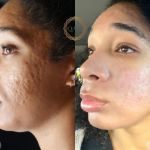 How To Repair Scars In People Over 40
 How To Brighten Sun Damage Effectively
 Top Tips for Fine Lines in Women: How to Manage and Reduce Them
 How To Reduce Dull Skin With A Simple Routine | Skincare Tips for Radiance
 How To Use Inflamed Skin Treatments for People with Combination Skin