
- 1 - Understanding Eczema
- 2 - Types of Eczema
- 3 - What Causes Eczema?
- 4 - Symptoms of Eczema
- 5 - How to Manage Eczema Effectively
- 6 - Eczema Treatment Options
- 7 - Lifestyle Changes to Help Manage Eczema
- 8 - Eczema Care Tips for Better Skin Health
1 - Understanding Eczema
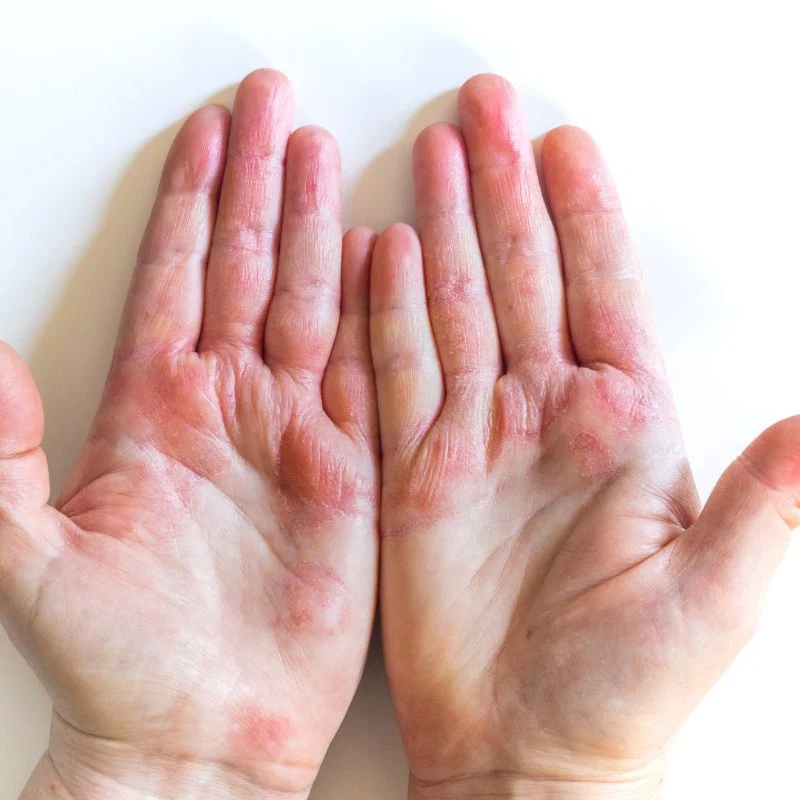
Eczema, also known as atopic dermatitis, is a chronic skin condition characterized by red, itchy, and inflamed patches of skin. It is commonly seen in children but can affect people of all ages. The severity and frequency of flare-ups can vary, and it is often triggered by specific environmental or lifestyle factors. Understanding eczema is the first step in managing and treating it effectively.
2 - Types of Eczema
There are several types of eczema, each with its own causes and symptoms. Here are the most common types:
1. Atopic Dermatitis
This is the most common form of eczema, often seen in children and individuals with a family history of allergies or asthma. It typically causes dry, itchy skin that can become inflamed.
2. Contact Dermatitis
Contact dermatitis occurs when the skin comes into contact with allergens or irritants, such as certain soaps, detergents, or metals like nickel. It causes redness, swelling, and itching in the affected area.
3. Dyshidrotic Eczema
Dyshidrotic eczema primarily affects the hands and feet, causing small, itchy blisters that may become painful if left untreated.
4. Nummular Eczema
This type is characterized by round, coin-shaped patches of irritated skin. It is often triggered by dry skin or environmental factors like harsh weather conditions.
5. Stasis Dermatitis
Stasis dermatitis occurs in individuals with poor circulation, typically in the lower legs, leading to swelling, redness, and flaking of the skin.
3 - What Causes Eczema?
The exact cause of eczema is not fully understood, but several factors contribute to the development of the condition. These include:
1. Genetic Factors
People with a family history of eczema, allergies, or asthma are more likely to develop eczema themselves. Certain genes can make the skin more prone to dryness and irritation.
2. Environmental Factors
Environmental triggers such as pollen, dust mites, pet dander, and mold can exacerbate eczema symptoms. Extreme weather conditions, like cold air or hot, humid environments, can also worsen flare-ups.
3. Immune System Dysfunction
In individuals with eczema, the immune system often overreacts to harmless substances, causing inflammation and skin irritation.
4. Irritants and Allergens
Certain substances, including harsh soaps, fragrances, wool, or certain foods, can trigger eczema flare-ups. Identifying and avoiding these irritants is crucial in managing the condition.
4 - Symptoms of Eczema
The symptoms of eczema can range from mild to severe, and they may include:
1. Itchy Skin
The most common symptom of eczema is intense itching, which can lead to scratching and further irritation. This constant scratching may cause the skin to become inflamed or even bleed.
2. Dry and Cracked Skin
Dryness and flaking of the skin are common with eczema. This can cause the skin to feel rough or tight, and may lead to cracks that expose the skin to further irritation or infection.
3. Redness and Inflammation
Inflamed areas of skin become red, swollen, and warm to the touch. This is often seen around the elbows, knees, and neck.
4. Blisters
In some types of eczema, small blisters may form, especially on the hands or feet. These blisters may break open, causing fluid to leak out and possibly leading to infection.
5 - How to Manage Eczema Effectively
Managing eczema requires a multifaceted approach. Here are some key steps to managing the condition:
1. Regular Moisturization
Keeping the skin well-moisturized is essential for preventing dryness and reducing flare-ups. Use a gentle, fragrance-free moisturizer, and apply it several times a day, especially after bathing.
2. Avoiding Triggers
Identify and avoid specific allergens or irritants that trigger your eczema flare-ups. This may involve using hypoallergenic skin care products, wearing cotton clothing, and avoiding extreme temperatures.
3. Medications
Topical corticosteroids, antihistamines, or other prescribed medications can help reduce inflammation, itching, and skin irritation. Consult your healthcare provider for the appropriate medication based on your symptoms.
4. Bathing with Care
When bathing, use lukewarm water and gentle, fragrance-free cleansers. Avoid long, hot showers, as they can dry out the skin and trigger eczema flare-ups.
5. Manage Stress
Stress can exacerbate eczema symptoms. Practice stress-reducing techniques such as meditation, deep breathing, or yoga to help manage your symptoms.
6 - Eczema Treatment Options
In addition to home remedies, there are several treatment options available for eczema:
1. Topical Treatments
Topical treatments, such as corticosteroids, calamine lotion, or topical immunomodulators, can help manage eczema flare-ups by reducing inflammation and relieving itching.
2. Phototherapy
In cases of severe eczema, phototherapy (light therapy) may be recommended. This involves using ultraviolet (UV) light to reduce inflammation and improve skin condition.
3. Systemic Treatments
For more severe cases of eczema that don't respond to topical treatments, oral medications or biologics may be prescribed to suppress the immune system and control symptoms.
7 - Lifestyle Changes to Help Manage Eczema
Along with medical treatments, certain lifestyle changes can significantly improve eczema symptoms:
1. Diet
A healthy diet rich in omega-3 fatty acids, antioxidants, and vitamins can help reduce inflammation and promote skin health. Avoid known food triggers such as dairy or gluten, if necessary.
2. Maintain a Comfortable Environment
Keep your living environment comfortable by using humidifiers in dry weather and maintaining a consistent temperature to avoid irritating the skin.
3. Stay Hydrated
Drinking plenty of water helps keep your skin hydrated, which is essential for preventing eczema flare-ups. Aim to drink at least 8 glasses of water daily.
8 - Eczema Care Tips for Better Skin Health
Here are some additional tips for managing eczema and improving skin health:
1. Use Fragrance-Free Products
Fragrance-free lotions, soaps, and detergents can help reduce irritation. Look for products labeled "hypoallergenic" to minimize allergic reactions.
2. Wear Soft, Breathable Clothing
Wear cotton clothing and avoid wool or synthetic fabrics that can irritate sensitive skin. Soft, breathable fabrics reduce friction and allow the skin to breathe.
3. Be Gentle with Your Skin
When washing or drying your skin, use gentle, patting motions instead of rubbing, as excessive friction can worsen eczema symptoms.



 GLO30 National Landing4.0 (218 reviews)
 Linda Lee Skin Care & Natural Nails5.0 (2 reviews)
 Carson Skin Rejuvenation5.0 (13 reviews)
 Charm's Aesthetics, LLC5.0 (5 reviews)
 Skin By Candace4.0 (13 reviews)
 Epiphany Dermatology4.0 (1746 reviews)
 How To Boost Your Skin's Sensitive Skin In People Living In Humid Climates
 How To Repair Scars In People Over 40
 How To Brighten Sun Damage Effectively
 Top Tips for Fine Lines in Women: How to Manage and Reduce Them
 How To Reduce Dull Skin With A Simple Routine | Skincare Tips for Radiance
 How To Use Inflamed Skin Treatments for People with Combination Skin