

- 1. Understanding Combination and Oily Skin
- 2. Key Features of Moisturizers for Oily Skin
- 3. How to Choose the Right Moisturizer for Combination Skin
- 4. Recommended Moisturizers for Combination and Oily Skin
- 5. Real-Life Experience with Finding the Right Moisturizer
1. Understanding Combination and Oily Skin
When it comes to skincare, understanding your skin type is essential to choosing the right products. If you have combination or oily skin, finding the right moisturizer can be a challenge. Combination skin means that some areas of your face, such as the T-zone (forehead, nose, chin), are oily, while other areas (such as the cheeks) may be dry or normal. Oily skin, on the other hand, involves overactive sebaceous glands that produce excess oil, resulting in a shiny appearance and often clogged pores.
The key to managing both skin types is to balance hydration without contributing to oil buildup or exacerbating dryness. This is where the right moisturizer comes into play. A moisturizer should hydrate your skin without making it greasy or clogging your pores, allowing your skin to maintain its natural balance.
2. Key Features of Moisturizers for Oily Skin
When choosing a moisturizer for oily or combination skin, it's important to focus on certain features that will help maintain balance and prevent unwanted shine or clogged pores. Here are some key features to look for in moisturizers:
1. Oil-Free Formulas
One of the most important features of a moisturizer for oily skin is that it should be oil-free. This helps prevent adding extra oil to your skin, which can clog pores and lead to breakouts. Look for products labeled "non-comedogenic," which means they won’t clog your pores.
2. Lightweight and Gel-Based Textures
Gel-based moisturizers tend to be lighter than cream-based ones, making them ideal for oily skin. They absorb quickly, hydrate the skin, and leave it feeling fresh without leaving a greasy residue. Lightweight formulas are a great option for those with combination skin as well.
3. Hydrating Ingredients
While it's important to avoid heavy oils, your skin still needs hydration. Look for moisturizers with hydrating ingredients like hyaluronic acid, glycerin, or aloe vera. These ingredients help draw moisture into the skin without making it oily or greasy.
4. Mattifying Properties
If you struggle with excess oil, consider choosing a moisturizer with mattifying properties. These products help absorb excess oil throughout the day, giving your skin a smoother, less shiny appearance. Look for ingredients like silica or niacinamide, which are often found in mattifying moisturizers.
3. How to Choose the Right Moisturizer for Combination Skin
Choosing the right moisturizer for combination skin requires a thoughtful approach to address both dry and oily areas. Here are a few tips for selecting the best moisturizer:
1. Opt for a Hydrating Yet Non-Greasy Formula
For combination skin, you’ll want a moisturizer that hydrates the skin without adding extra oil to the T-zone. Gel-based or water-based moisturizers are ideal as they provide hydration without making the skin feel greasy. Look for products that contain ingredients like glycerin or hyaluronic acid, which provide lightweight moisture.
2. Target Different Areas with Different Products
Another option is to use different products for different areas of your face. For example, you might use a lightweight, oil-free moisturizer for your T-zone and a richer cream for drier areas like your cheeks. This approach ensures that both dry and oily areas of your face get the attention they need without overloading the skin.
3. Avoid Heavy Creams
Heavy, thick creams may seem like a good option for dry skin, but they can exacerbate oiliness in the T-zone. For combination skin, stick to lighter formulas that don’t contribute to shine but still provide enough moisture for the drier parts of your face.
4. Recommended Moisturizers for Combination and Oily Skin
Now that we’ve discussed the features to look for in a moisturizer, here are some of the best products for combination and oily skin:
1. Neutrogena Hydro Boost Water Gel
Neutrogena Hydro Boost Water Gel is a popular choice for oily and combination skin. It features a lightweight, gel-based texture that hydrates the skin without making it greasy. With hyaluronic acid, it draws moisture into the skin and helps maintain a balanced complexion.
2. Clinique Dramatically Different Hydrating Jelly
Clinique’s Dramatically Different Hydrating Jelly is a great option for combination skin. Its oil-free, non-greasy formula provides 24-hour hydration and helps maintain moisture balance. The jelly texture absorbs quickly, leaving skin feeling fresh and smooth.
3. La Roche-Posay Effaclar Mat Oil-Free Mattifying Moisturizer
If you’re looking for a moisturizer that controls oil while hydrating, La Roche-Posay Effaclar Mat is an excellent choice. It’s specifically designed for oily skin, helping to reduce shine and prevent clogged pores while providing moisture. It also contains soothing ingredients like thermal spring water to calm irritated skin.
5. Real-Life Experience with Finding the Right Moisturizer
Take the case of Emily, who struggled with combination skin for years. She found that traditional moisturizers made her T-zone oily, while her cheeks remained dry. After trying several products, she finally found a solution with Neutrogena Hydro Boost Water Gel. The lightweight, hydrating formula kept her skin balanced, and her oily T-zone became much more manageable without sacrificing moisture for her dry cheeks. Emily’s experience highlights how important it is to experiment and find the right moisturizer for your unique skin type.
Whether you have combination or oily skin, finding the right moisturizer is essential for maintaining healthy, balanced skin. If you're looking for top-notch products and expert advice, check out SkinCare Experts for the best skincare recommendations tailored to your skin’s needs!

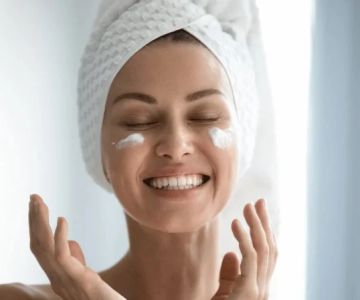
 Wildflower skin and wax5.0 (9 reviews)
 Brooklyn Esthetics5.0 (41 reviews)
 Opulent skin Miami5.0 (15 reviews)
 SKINCARE by Carla Bermudez5.0 (46 reviews)
 First Georgia Dermatology4.0 (88 reviews)
 Obsession Skin & Body Care5.0 (17 reviews)
 How to Protect Your Skin From Night Creams to Improve Blackheads
 Best Natural Skin Care Products for a Healthier Glow
 Daily Skin Care Routine For Age Spots: A Simple Routine To Even Out Your Skin Tone
 How to Get Rid of Oily Skin Using Natural Remedies
 Understanding Sun Damage For Women
 How To Reduce Dull Skin With A Simple Routine | Skincare Tips for Radiance