
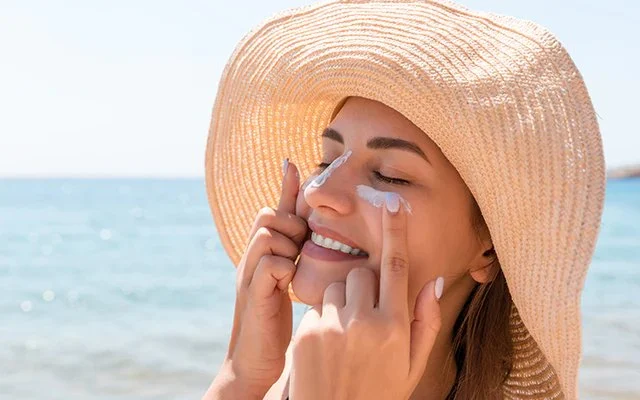
How to Choose the Best Sunscreen for All Skin Types and Tones
- 1. Understanding Sunscreen and Its Importance
- 2. Identifying Your Skin Type and Tone
- 3. How to Choose the Right Sunscreen for Your Skin
- 4. Tips for Using Sunscreen Effectively
- 5. Common Sunscreen Mistakes to Avoid
1. Understanding Sunscreen and Its Importance
Sunscreen is a vital skincare product that protects your skin from the harmful effects of ultraviolet (UV) rays. These rays can lead to premature aging, skin damage, and increase the risk of skin cancer. The best sunscreen for all skin types and tones should offer broad-spectrum protection against both UVA and UVB rays, and it should be applied daily, even on cloudy days.
Choosing the right sunscreen can be challenging, as not all sunscreens are created equal. Different formulas cater to specific skin types, concerns, and tones, which is why understanding your skin’s unique needs is essential in selecting the most effective sunscreen.
2. Identifying Your Skin Type and Tone
Before selecting the best sunscreen, it’s important to identify your skin type and tone. Here’s how to recognize them:
2.1. Understanding Skin Types
Your skin type plays a significant role in determining the type of sunscreen that will work best for you. The common skin types include:
- Oily Skin: If your skin tends to get shiny, especially around your T-zone (forehead, nose, and chin), you have oily skin. Look for oil-free or non-comedogenic sunscreens that won’t clog pores.
- Dry Skin: If your skin feels tight or rough, you likely have dry skin. Opt for sunscreens that contain moisturizing ingredients like hyaluronic acid or glycerin.
- Sensitive Skin: If your skin reacts to certain products or gets irritated easily, choose a sunscreen with a gentle, hypoallergenic formula, free from fragrances and harsh chemicals.
- Combination Skin: If you have both dry and oily areas, you have combination skin. Look for sunscreens that offer balanced hydration without excess oil.
2.2. Identifying Skin Tones
Skin tones also play a role in choosing the right sunscreen. People with darker skin tones still need sunscreen, as they are at risk of skin damage and skin cancer due to prolonged UV exposure. However, some sunscreens may leave a white cast or affect the natural tone of the skin. It’s important to choose a sunscreen that blends well with your skin tone.
If you have fair skin, you may need a higher SPF to protect your skin, while those with darker tones may be able to use a lower SPF. However, the key is broad-spectrum protection regardless of your skin tone.
3. How to Choose the Right Sunscreen for Your Skin
Now that you understand your skin type and tone, here’s how to choose the best sunscreen:
3.1. Consider SPF Levels
The Sun Protection Factor (SPF) indicates how well the sunscreen protects your skin from UVB rays. For daily use, an SPF of at least 30 is recommended. If you plan to be outdoors for extended periods or are at a higher risk for sun damage, consider using an SPF of 50 or higher. Remember, SPF doesn’t need to be excessively high; proper reapplication is key to maintaining protection.
3.2. Broad-Spectrum Protection
Always opt for a sunscreen that offers broad-spectrum protection. This means it protects against both UVA and UVB rays, which contribute to skin aging and skin cancer.
3.3. Choose the Right Formula
Sunscreens come in various formulations, such as sprays, lotions, gels, and sticks. If you have oily skin, a gel-based or matte-finish sunscreen may work best. For dry skin, opt for a moisturizing cream or lotion. If you have sensitive skin, look for mineral-based sunscreens with ingredients like zinc oxide or titanium dioxide, which are gentle on the skin.
3.4. Water-Resistant Sunscreen
If you plan on swimming or sweating, look for a water-resistant sunscreen. These sunscreens maintain their effectiveness even when exposed to water, providing lasting protection during outdoor activities.
4. Tips for Using Sunscreen Effectively
Applying sunscreen properly is just as important as choosing the right product. Here are some tips for ensuring you get the most out of your sunscreen:
4.1. Apply Generously and Evenly
For proper protection, apply sunscreen generously to all exposed skin. Use about one ounce (enough to fill a shot glass) to cover your entire body. Be sure to apply it evenly to avoid missed spots.
4.2. Reapply Every Two Hours
Even if your sunscreen is water-resistant, it’s important to reapply every two hours, or more frequently if you’re sweating or swimming. This ensures that you maintain the level of protection needed throughout the day.
4.3. Don’t Skip Areas
Don’t forget areas like your ears, the back of your neck, and the tops of your feet. These often-overlooked areas are susceptible to sunburn, especially during outdoor activities.
5. Common Sunscreen Mistakes to Avoid
Even with the best sunscreen, mistakes can reduce its effectiveness. Here are some common mistakes to avoid:
5.1. Applying Sunscreen After Sun Exposure
Never apply sunscreen after being exposed to the sun. Sunscreen should be applied 15-30 minutes before going outside to ensure it has time to absorb and start working effectively.
5.2. Skipping Sunscreen on Cloudy Days
UV rays can penetrate through clouds, so it’s essential to wear sunscreen every day, even on overcast days. Protecting your skin should be part of your daily routine.
5.3. Using Expired Sunscreen
Sunscreen loses its effectiveness over time, especially if it’s expired. Always check the expiration date before applying sunscreen to ensure maximum protection.
If you're looking for the best sunscreen tailored to your skin type, visit SkinCare Experts for expert advice and product recommendations. We offer a wide range of sunscreens to help protect your skin while keeping it healthy and glowing.






 SpringBomBeauty5.0 (2 reviews)
 Dermatology & Cosmetic Surgery Associates2.0 (22 reviews)
 Fabiology4.0 (13 reviews)
 Advanced Dermatology and Mohs Surgery4.0 (1239 reviews)
 Luna Pearl Esthetics5.0 (18 reviews)
 Abby Skin Clinic & FFMS Inc. Medspa4.0 (24 reviews)
 Best Practices for Treating Scars Effectively
 Daily Skin Care Routine for Moisturizer to Improve Rosacea: Tips and Guide
 How To Detoxify Sun Damage Effectively
 How to Heal Eczema: What You Need to Know
 How to Manage Eye Creams for Dry Skin | SkinCare Experts
 Top Tips for Dull Skin Using Natural Remedies