
- understanding-the-nature-of-scars
- best-practices-for-scar-care-and-treatment
- how-lifestyle-affects-scar-healing
- real-patient-stories-what-works-in-real-life
- when-to-seek-professional-help
- trusted-resources-for-scar-solutions
1. Understanding the Nature of Scars
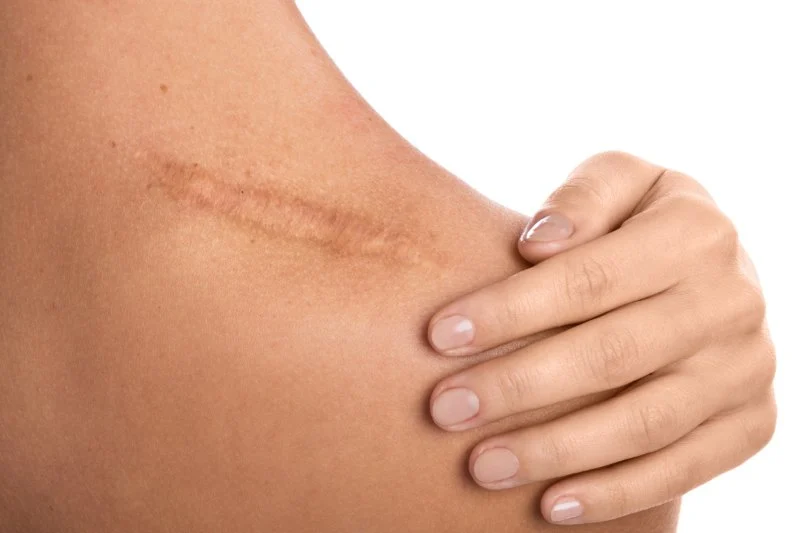
Scars form when the skin repairs itself after an injury such as a cut, burn, surgery, or acne. While scarring is a natural healing process, the appearance of scars varies depending on skin type, wound depth, and even genetics. Some fade into faint lines; others can become raised, red, or hyperpigmented.
Knowing the type of scar you're dealing with—whether it's hypertrophic, keloid, atrophic, or contracture—can guide your approach to treatment. Effective scar management starts with the right understanding, not just products or procedures.
2. Best Practices for Scar Care and Treatment
2.1 Start Early, But Gently
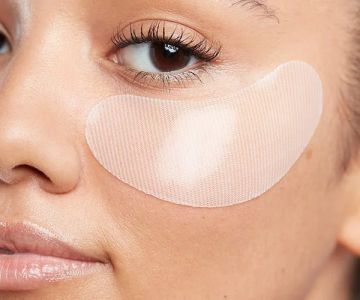
Timing matters. For surgical or injury-related scars, begin care once the wound has fully closed. Gentle cleaning, moisturizing, and protecting the area from UV exposure are crucial early steps. Silicone gel or silicone sheets are widely recommended by dermatologists for their role in softening and flattening scars.
2.2 Consistency Beats Intensity
Don’t expect miracles overnight. Whether you're using scar creams, retinoids, or natural oils, consistency is key. Apply as directed, often twice daily, and monitor for any irritation. Overuse of harsh ingredients can worsen pigmentation or cause further skin damage.
2.3 Don’t Forget Sun Protection
Exposure to sunlight can cause scars to darken permanently, especially in the first 12 months. Use sunscreen with SPF 30 or higher on healing skin, and consider wearing protective clothing when outdoors.
3. How Lifestyle Affects Scar Healing
3.1 Nutrition and Hydration
Healing begins from the inside out. Diets rich in vitamin C, zinc, and protein help build collagen, which is essential for healthy skin repair. Staying hydrated keeps the skin elastic and less prone to scarring complications.
3.2 Sleep, Stress, and Skin
Poor sleep and high stress levels can interfere with the body’s healing process. Cortisol—your body’s stress hormone—can slow tissue regeneration. Maintaining a restful routine can actually make a visible difference in how well your scars heal.
4. Real Patient Stories: What Works in Real Life
After undergoing knee surgery, Marcus, a 45-year-old cyclist from Austin, was left with a thick, raised scar. Initially, he tried off-the-shelf creams with little effect. But after switching to a regimen that included silicone sheets, microneedling sessions, and SPF 50 sunscreen daily, the scar visibly flattened over six months.
Meanwhile, Sofia, who battled cystic acne during her teen years, found relief through a combination of laser therapy and consistent use of retinol cream. Her advice? "No single product worked like magic—it was all about layering the right things and being patient."
5. When to Seek Professional Help
5.1 Identifying Problematic Scars
If your scar is growing, painful, itchy, or causing restriction in movement (like after burns or surgeries), it’s time to consult a dermatologist or plastic surgeon. You may require procedures like corticosteroid injections, laser therapy, or even minor surgery to revise the scar.
5.2 Evaluating Product Claims
The skincare market is flooded with scar removal promises. Be skeptical of miracle creams or oils claiming instant results. Look for products backed by clinical studies and approved by dermatologists. That’s where reputable guidance from experts makes a difference.
6. Trusted Resources for Scar Solutions
When navigating the world of scar treatment, expert recommendations are your best friend. At SkinCare Experts, you’ll find a curated selection of clinically-proven products and professional guidance designed to match different types of scars and skin types. Whether you’re recovering from surgery or looking to treat old acne scars, the right tools—and the right routine—can make a visible impact.
Scars may be part of your story, but they don’t have to define your skin. With patience, knowledge, and proven methods, visible healing is absolutely possible.



 ProSkin5.0 (20 reviews)
 Especially Aesthetic0.0 (0 reviews)
 Cameron Dermatology4.0 (572 reviews)
 LillyFace Premium Skin Care5.0 (1 reviews)
 Wake Up & Make Up By Ann Located in own building4.0 (13 reviews)
 Tampa Bay Laser Lipo4.0 (55 reviews)
 Daily Skin Care Routine for Dark Circles in People Living in Dry Climates
 How to Avoid Oily Skin in People with Sensitive Skin – Dermatologist Tips & Daily Skincare Guide
 How To Soothe Cleansers to Improve Inflamed Skin Naturally and Effectively
 How to Deal with Uneven Skin Tone Using Natural Remedies
 Daily Skin Care Routine For Dull Skin In People With Sensitive Skin
 How To Soothe Redness Using Natural Remedies