
- 1 - What Are Milia?
- 2 - What Causes Milia Breakouts?
- 3 - How to Get Rid of Milia
- 4 - Skincare Tips for Preventing Milia Breakouts
- 5 - Real-Life Case Study: Successfully Managing Milia
1. What Are Milia?
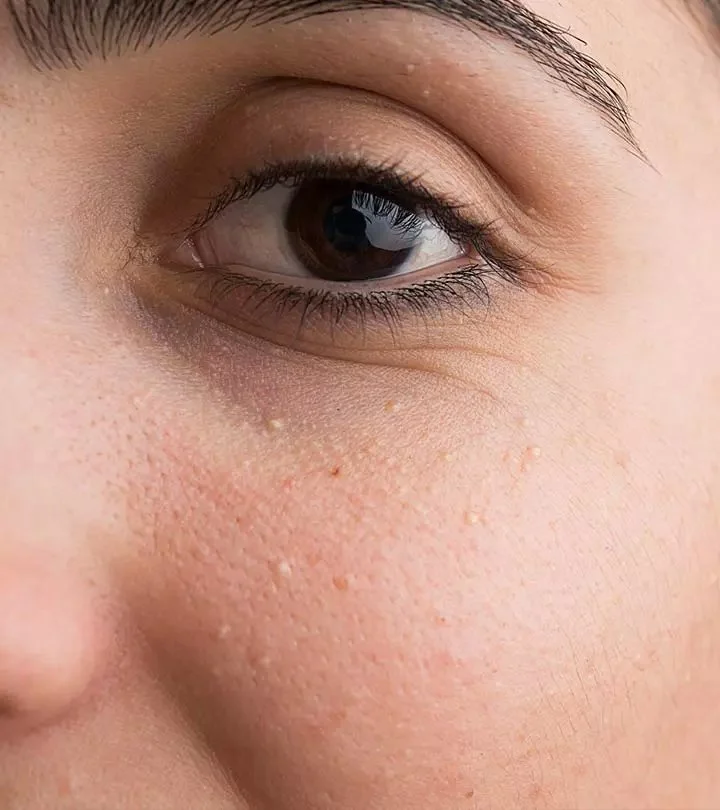
Milia are small, hard, white or yellowish bumps that appear on the skin, typically around the eyes, cheeks, and nose. They form when dead skin cells become trapped in pockets just beneath the skin’s surface, creating a small cyst. While milia are often harmless, they can be frustrating to deal with, especially when they occur in visible areas like your face. Understanding how to treat and prevent them is key to maintaining healthy, smooth skin.
2. What Causes Milia Breakouts?
Several factors can contribute to the development of milia. These include:
2.1 Skin Inflammation
When the skin becomes inflamed, whether due to irritation, sunburn, or cosmetic treatments, it can increase the likelihood of developing milia. Inflammation can disrupt the natural shedding of skin cells, leading to blockages that form cysts.
2.2 Heavy or Oily Skincare Products
Using rich, thick creams or oily products can clog pores and lead to milia. If you’re using products that are too heavy for your skin type, they can trap dead skin cells, preventing proper exfoliation and increasing the risk of milia development.
2.3 Sun Exposure
Prolonged exposure to the sun can damage the skin, causing it to thicken and potentially block the pores. Sunburns, in particular, can disrupt the skin’s natural exfoliation process, contributing to the formation of milia.
2.4 Improper Exfoliation
When dead skin cells are not properly exfoliated, they can accumulate and become trapped, leading to milia. It’s important to exfoliate regularly, but without overdoing it, to keep your skin’s surface smooth and clear of blockages.
3. How to Get Rid of Milia
While milia are harmless, many people want to remove them for cosmetic reasons. Here are effective methods for getting rid of milia:
3.1 Professional Extraction
The most effective and safest way to remove milia is by visiting a dermatologist or licensed esthetician. They can perform a professional extraction using a sterile needle or lancet to carefully open the cyst and remove the contents. This should only be done by a trained professional to avoid skin damage and infection.
3.2 Topical Treatments
Several topical treatments can help to break down the dead skin cells that cause milia. Look for products containing retinoids, such as tretinoin, which promote cell turnover and can prevent milia from forming. Other ingredients like salicylic acid or glycolic acid can also be helpful for exfoliating the skin and preventing blockages.
3.3 Regular Exfoliation
Exfoliating your skin regularly (about 2-3 times per week) can help to prevent milia by removing dead skin cells before they have a chance to clog your pores. Use gentle exfoliators with fine granules or chemical exfoliants like AHA or BHA to keep your skin smooth and free of blockages.
3.4 Avoid Picking or Squeezing
It can be tempting to pick at or squeeze milia, but this can lead to scarring or infection. Always avoid trying to remove milia yourself. Instead, follow the appropriate skincare treatments or consult a professional for safe removal.
4. Skincare Tips for Preventing Milia Breakouts
While milia can be stubborn, there are several proactive steps you can take to prevent future breakouts:
4.1 Use Non-Comedogenic Products
Choose skincare products that are labeled "non-comedogenic," meaning they won’t clog your pores. Opt for lightweight moisturizers, serums, and sunscreens that allow your skin to breathe without trapping dead skin cells.
4.2 Protect Your Skin from the Sun
Always wear broad-spectrum sunscreen with at least SPF 30 to protect your skin from harmful UV rays. This will prevent skin thickening and sunburn, reducing the risk of milia formation.
4.3 Moisturize Regularly
Keeping your skin hydrated is key to maintaining a healthy skin barrier. Use a gentle, hydrating moisturizer suited for your skin type to prevent dryness and promote smooth, exfoliated skin.
4.4 Avoid Heavy Makeup
Opt for lightweight makeup formulations that allow your skin to breathe. Heavy foundations or thick concealers can clog pores and contribute to milia. Always remove makeup thoroughly at the end of the day to prevent buildup.
5. Real-Life Case Study: Successfully Managing Milia
Emily, a 29-year-old woman, began noticing small white bumps appearing around her eyes. After consulting a dermatologist, she learned that the bumps were milia caused by heavy eye creams and inadequate exfoliation. Her dermatologist recommended a gentle exfoliating routine using a glycolic acid-based product and a lighter eye cream. Within weeks, the milia began to disappear, and Emily’s skin looked clearer and smoother. She now continues her skincare regimen with regular exfoliation and is more mindful of the products she uses, preventing any future breakouts.
If you’re struggling with milia or want to prevent future breakouts, visit SkinCare Experts for personalized skincare advice, products, and professional treatments tailored to your needs.



 Happy Skin Esthetics5.0 (8 reviews)
 Beautiful Again Paramedical Studio0.0 (0 reviews)
 Brie Cure Aesthetics New Orleans5.0 (14 reviews)
 Eden Aesthetics4.0 (8 reviews)
 Luminous Skin Studio5.0 (56 reviews)
 Conrad Sanchez Skin Care4.0 (135 reviews)
 Benefits Of Using Rosacea Treatment and How To Effectively Manage It
 Best Practices for Hyaluronic Acid to Improve Blackheads
 How to Heal Hyperpigmentation and How to Manage It Effectively
 How To Avoid Retinol to Improve Age Spots Safely and Effectively
 How To Effectively Use Vitamin C Serum to Improve Eczema
 Natural Remedies For Oily Skin Using Natural Remedies