
- understanding-types-of-scars-and-their-impact
- factors-affecting-scar-balance-and-healing
- effective-methods-to-balance-scars
- case-examples-and-practical-lessons
- long-term-management-and-self-confidence
1. Understanding Types of Scars and Their Impact
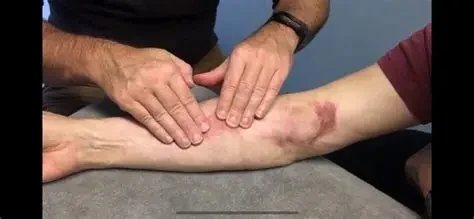
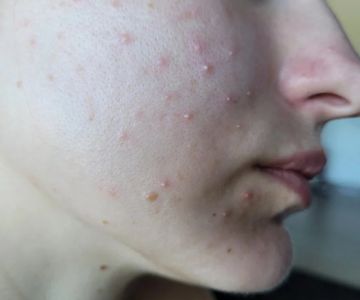
Scars are more than just a mark on the skin—they often carry physical and emotional weight. From acne scars to surgical marks or trauma-related scars, each type behaves differently in terms of appearance and healing. Hypertrophic scars, for instance, are raised and red, while atrophic scars appear sunken, commonly found after acne or chickenpox.
Understanding these variations is the first step to learning how to balance scars and manage them holistically. Each scar tells a story, and knowing its origin helps tailor the right care method.
2. Factors Affecting Scar Balance and Healing
2.1 Skin Type and Genetics
Melanin-rich skin may be more prone to hyperpigmentation, while fairer tones may develop more noticeable redness. Genetics also determine how collagen is distributed and whether scars are likely to thicken or fade over time.
2.2 Wound Care and Inflammation
The way a wound is treated at the initial stage has a massive impact on scar development. Infections, excessive inflammation, or constant trauma during healing often result in more noticeable scarring. Balanced healing requires early attention, reduced friction, and moisture-based treatments.
2.3 External Conditions
UV exposure, environmental pollution, and certain medications can worsen scar discoloration and texture. Wearing SPF and following a consistent skincare routine is crucial, especially during early healing phases.
3. Effective Methods to Balance Scars
3.1 Silicone-Based Products
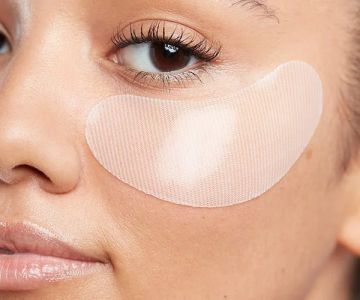
Silicone gels or patches are one of the most dermatologist-recommended options. They work by hydrating the scar tissue, which helps flatten and fade hypertrophic scars over time. When used consistently, they can make a dramatic difference within 2–3 months.
3.2 Natural Remedies Backed by Evidence
Aloe vera, rosehip oil, and onion extract are often mentioned in natural scar treatment conversations. While they may not erase scars, studies suggest they help in improving texture and colour balance. Use these remedies with care and always patch test first.
3.3 Microneedling and Clinical Procedures
In-office treatments like microneedling, laser therapy, or chemical peels offer more intensive solutions, especially for older or deep scars. These methods stimulate collagen and support the body in rebalancing uneven skin texture. Many trusted professionals on SkinCare Experts offer consultations to match the right procedure to your skin type.
3.4 Lifestyle and Nutrition
What you eat can impact how your skin repairs. Vitamin C, zinc, and protein support skin regeneration. Equally important is reducing stress, which can trigger inflammation and delay healing.
4. Case Examples and Practical Lessons
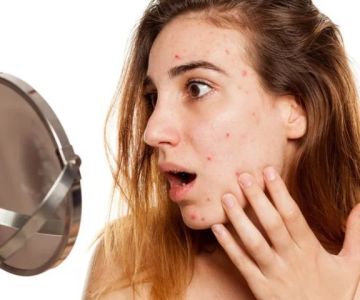
Emily, a 26-year-old from Manchester, had acne scars that made her feel self-conscious. She started using a vitamin C serum combined with microneedling sessions. After six months, her skin not only felt smoother, but her confidence was rebuilt. She says, “It wasn’t about perfection—it was about progress.”
In contrast, James ignored his scar after knee surgery. Without moisturising or protecting it from the sun, his scar turned thick and discoloured. After consulting a professional, he started silicone patch therapy and saw significant improvement in three months.
5. Long-Term Management and Self-Confidence
Balancing scars is an ongoing process—it’s not a one-time fix. Routine care, patience, and understanding your body’s natural response are vital. What works for one person might need adjustment for another. Stay consistent, and don’t shy away from seeking guidance.
At SkinCare Experts, you’ll find resources and support for everything from product advice to professional services. Scars may be part of your story, but they don’t define you—and managing them effectively is a form of self-care as much as it is skin care.

 ProSkin5.0 (20 reviews)
 Especially Aesthetic0.0 (0 reviews)
 Cameron Dermatology4.0 (572 reviews)
 LillyFace Premium Skin Care5.0 (1 reviews)
 Wake Up & Make Up By Ann Located in own building4.0 (13 reviews)
 Tampa Bay Laser Lipo4.0 (55 reviews)
 Daily Skin Care Routine for Dark Circles in People Living in Dry Climates
 How to Avoid Oily Skin in People with Sensitive Skin – Dermatologist Tips & Daily Skincare Guide
 How To Soothe Cleansers to Improve Inflamed Skin Naturally and Effectively
 How to Deal with Uneven Skin Tone Using Natural Remedies
 Daily Skin Care Routine For Dull Skin In People With Sensitive Skin
 How To Soothe Redness Using Natural Remedies