
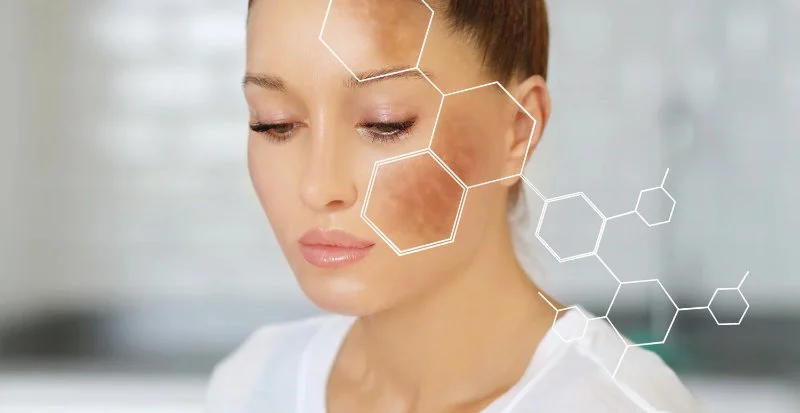
- what-causes-hyperpigmentation-in-athletes - Understanding the Root Causes of Hyperpigmentation in Athletes
- sweat-friction-and-sun-exposure-effects - How Sweat, Friction, and Sun Exposure Contribute to Skin Discoloration
- identifying-different-types-of-pigmentation - Recognizing the Types of Hyperpigmentation Common in Active Individuals
- daily-skincare-routines-for-athletes - Skincare Habits Athletes Can Adopt to Prevent and Treat Hyperpigmentation
- professional-treatments-that-help - Expert-Approved Procedures to Balance and Treat Pigmentation
- real-athlete-skincare-stories - Real Athlete Stories: Managing Hyperpigmentation on the Field and Off
- why-skincare-experts-are-recommended - How SkinCare Experts Can Help You Find the Right Hyperpigmentation Solution
1. Understanding the Root Causes of Hyperpigmentation in Athletes
Hyperpigmentation is the result of excess melanin production in the skin, and for athletes, it often comes as a hidden cost of their commitment to performance. Whether it’s due to prolonged sun exposure, repetitive friction from sports gear, or sweat-induced inflammation, active lifestyles pose unique skin challenges. Athletes who train outdoors or wear tight-fitting gear are especially prone to developing darkened patches in high-friction or UV-exposed areas.
Balancing hyperpigmentation for athletes means understanding what’s causing the uneven skin tone in the first place—and how to reduce the triggers while supporting skin healing.
2. How Sweat, Friction, and Sun Exposure Contribute to Skin Discoloration
2.1 Sweat-Triggered Inflammation
Excessive sweating can lead to clogged pores, inflammation, and ultimately post-inflammatory hyperpigmentation (PIH), especially in darker skin tones. The constant moisture also makes skin more reactive to environmental factors.
2.2 Gear-Related Friction
Compression shorts, helmets, or shoulder pads can create micro-abrasions on the skin, triggering melanin overproduction in those areas. For long-distance runners, it’s common to see darkening around the inner thighs or underarms due to repetitive motion.
2.3 Sun Damage Without Protection
Outdoor athletes often skip sunscreen in favor of performance, leaving skin vulnerable to UV-triggered melanin spikes. Without regular protection, even short sessions under the sun can result in lingering sunspots and uneven tone.
3. Recognizing the Types of Hyperpigmentation Common in Active Individuals
Not all dark spots are the same. Athletes commonly experience:
3.1 Post-Inflammatory Hyperpigmentation (PIH)
This occurs after acne, scrapes, or irritation. It’s especially common in areas of friction like shoulders and thighs.
3.2 Sun-Induced Pigmentation
UV damage shows up as sunspots, typically on the nose, cheeks, neck, or shoulders for those who train outside.
3.3 Melasma (Less Common)
Though more associated with hormonal changes, melasma may appear in athletes experiencing extreme stress or hormonal shifts from training or diet cycles.
4. Skincare Habits Athletes Can Adopt to Prevent and Treat Hyperpigmentation
4.1 Pre-Workout Protection
Applying a broad-spectrum SPF 30+ before outdoor workouts is non-negotiable. Look for sweat-resistant formulas that won’t clog pores or run into your eyes during movement.
4.2 Gentle Post-Workout Cleansing
Use a mild cleanser immediately after workouts to remove sweat, bacteria, and buildup. Avoid harsh scrubs—friction can worsen inflammation and discoloration.
4.3 Nighttime Repair Routine
Ingredients like niacinamide, alpha arbutin, and azelaic acid can help fade existing dark spots. Retinol, when used cautiously and with sun protection, can also speed up cellular turnover and improve skin tone.
5. Expert-Approved Procedures to Balance and Treat Pigmentation
When topical skincare isn’t enough, dermatologists and skincare professionals may recommend treatments such as:
5.1 Chemical Peels
Mild to medium-depth peels can help lift surface pigmentation and stimulate fresh skin growth.
5.2 Laser Therapy
Laser treatments, especially fractional and Q-switched types, can precisely target melanin deposits without damaging surrounding skin.
5.3 Microneedling with Serums
Microneedling paired with brightening serums boosts absorption and collagen production, helping repair uneven tone in deeper skin layers.
6. Real Athlete Stories: Managing Hyperpigmentation on the Field and Off
Marina, a beach volleyball player from Vancouver, began noticing dark patches on her shoulders and lower back after a long summer tournament season. After trying over-the-counter creams with limited success, she consulted a skincare specialist who introduced her to a brightening regimen and in-office glycolic peels. “Within three months, the difference was dramatic. I didn’t realize how much it affected my confidence until it improved,” she said.
Similarly, track athlete Jordan from Toronto used SkinCare Experts to find a dermatologist familiar with athletic skin conditions. He combined sun protection, LED therapy, and antioxidant serums—and saw visible improvement in his complexion without affecting his performance routine.
7. How SkinCare Experts Can Help You Find the Right Hyperpigmentation Solution
At SkinCare Experts, we understand the physical demands athletes place on their skin. That’s why we offer specialized recommendations tailored for active lifestyles—from sweat-proof sunscreens to dermatologist-grade pigment correction products.
Our experts help connect you with the right skincare routines and professional resources that align with your training schedule and skin type. Hyperpigmentation doesn’t have to be something you “just live with.” With the right approach and support, your skin can look as strong and balanced as your performance.

 ProSkin5.0 (20 reviews)
 Especially Aesthetic0.0 (0 reviews)
 Cameron Dermatology4.0 (572 reviews)
 LillyFace Premium Skin Care5.0 (1 reviews)
 Wake Up & Make Up By Ann Located in own building4.0 (13 reviews)
 Tampa Bay Laser Lipo4.0 (55 reviews)
 Daily Skin Care Routine for Dark Circles in People Living in Dry Climates
 How to Avoid Oily Skin in People with Sensitive Skin – Dermatologist Tips & Daily Skincare Guide
 How To Soothe Cleansers to Improve Inflamed Skin Naturally and Effectively
 How to Deal with Uneven Skin Tone Using Natural Remedies
 Daily Skin Care Routine For Dull Skin In People With Sensitive Skin
 How To Soothe Redness Using Natural Remedies