
How to Achieve Moisturizer for Eczema Skin: A Comprehensive Guide
- 1-eczema-basics
- 2-choosing-right-moisturizer
- 3-top-moisturizer-ingredients
- 4-how-to-apply-moisturizer-correctly
- 5-eczema-friendliest-moisturizers
- 6-common-mistakes-to-avoid
- 7-when-to-seek-professional-help
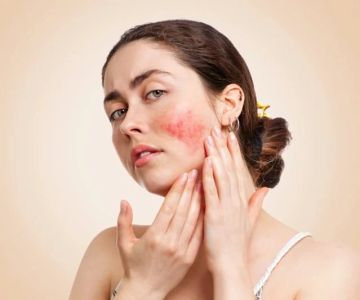
Eczema, also known as atopic dermatitis, is a common skin condition that causes inflammation, redness, and itching. It's a lifelong condition that can flare up during certain seasons or due to various triggers. The key to managing eczema effectively is hydration, and the right moisturizer for eczema skin can help maintain skin's natural barrier and reduce symptoms. In this guide, we’ll cover how to choose the best moisturizer for eczema, how to apply it correctly, and how to make it a part of your daily routine.
1. Choosing the Right Moisturizer for Eczema Skin
When selecting a moisturizer for eczema, consider the following factors:
Hydration Power
Look for products that provide long-lasting hydration. Moisturizers containing ingredients like ceramides, hyaluronic acid, and glycerin are excellent for trapping moisture in the skin.
Fragrance-Free
Fragrances can irritate sensitive skin, so it's crucial to opt for fragrance-free options, especially if you have eczema. This helps avoid potential flare-ups.
Hypoallergenic
Choose products labeled as hypoallergenic, which are less likely to cause allergic reactions and irritation.
2. Top Moisturizer Ingredients for Eczema Skin
To ensure effective moisture retention and skin protection, here are some key ingredients to look for in a moisturizer for eczema:
Ceramides
Ceramides are lipids that help restore the skin’s natural barrier, preventing moisture loss and reducing irritation.
Hyaluronic Acid
This ingredient draws moisture into the skin, making it an excellent choice for hydration and plumping the skin.
Oatmeal
Colloidal oatmeal soothes inflammation and can help protect the skin against further irritation.
Glycerin
Glycerin helps the skin retain moisture and keeps the skin feeling soft and hydrated for extended periods.
Petrolatum (Petroleum Jelly)
Petrolatum is an occlusive agent that creates a barrier on the skin, preventing moisture from escaping. It's great for nighttime eczema care.
3. How to Apply Moisturizer Correctly
Application technique is just as important as choosing the right product. Follow these steps for optimal results:
1) Apply Immediately After Bathing
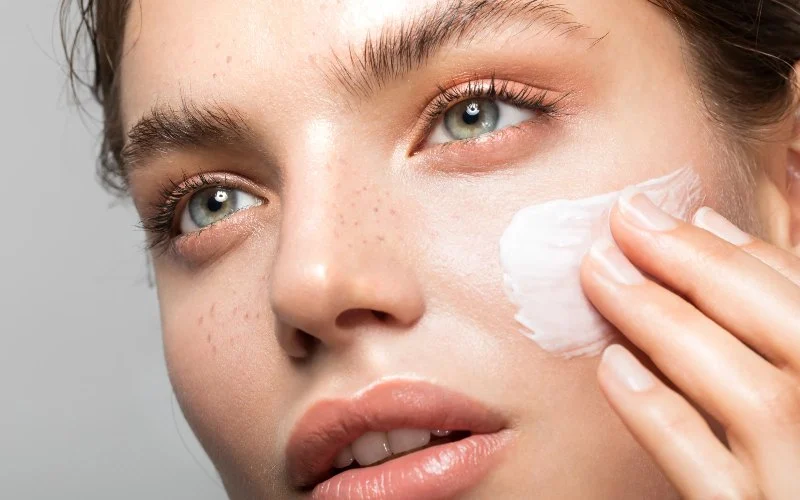
To lock in moisture, apply the moisturizer within three minutes of getting out of the shower or bath. Pat your skin dry with a towel, leaving it slightly damp, then apply the moisturizer generously.
2) Use Gentle Motions
Gently massage the moisturizer into the skin in circular motions to avoid further irritation. Never rub harshly.
3) Layer Up
If you have dry patches or severely affected areas, don’t hesitate to apply a thicker layer of moisturizer to these spots.
4. Eczema-Friendly Moisturizers to Try
Here are some dermatologist-approved, highly recommended moisturizers for eczema skin:
CeraVe Daily Moisturizing Lotion
CeraVe is known for its inclusion of essential ingredients like ceramides and hyaluronic acid, which help restore the skin’s natural barrier and provide long-lasting hydration.
Aveeno Eczema Therapy Moisturizing Cream
This product contains colloidal oatmeal, a natural anti-inflammatory ingredient that helps soothe itching and irritation.
Vanicream Moisturizing Cream
Vanicream is fragrance-free, hypoallergenic, and suitable for sensitive skin, making it ideal for eczema sufferers.
Neutrogena Hydro Boost Water Gel
This moisturizer is lightweight but packed with hyaluronic acid to provide intense hydration without feeling greasy.
5. Common Mistakes to Avoid When Using Moisturizer for Eczema
Not Applying Enough
Don’t skimp on the product. Apply generously to prevent dryness and irritation.
Using Products with Harsh Ingredients
Avoid products containing alcohol, fragrances, and other irritants that can exacerbate eczema.
Inconsistent Application
Consistency is key to managing eczema. Make moisturizing part of your daily routine to keep flare-ups under control.
6. When to Seek Professional Help
If over-the-counter products aren’t helping, or if your eczema symptoms worsen despite moisturizing, it may be time to consult with a dermatologist. A dermatologist can recommend prescription-strength moisturizers or medications like topical steroids to manage flare-ups.
For the best eczema skin care routine, including trusted moisturizers and tips on managing flare-ups, check out SkinCare Experts for expert advice and product recommendations.

 GLO30 National Landing4.0 (218 reviews)
 Linda Lee Skin Care & Natural Nails5.0 (2 reviews)
 Carson Skin Rejuvenation5.0 (13 reviews)
 Charm's Aesthetics, LLC5.0 (5 reviews)
 Skin By Candace4.0 (13 reviews)
 Epiphany Dermatology4.0 (1746 reviews)
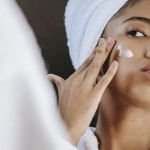 How To Boost Your Skin's Sensitive Skin In People Living In Humid Climates
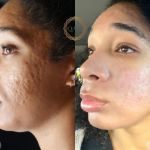 How To Repair Scars In People Over 40
 How To Brighten Sun Damage Effectively
 Top Tips for Fine Lines in Women: How to Manage and Reduce Them
 How To Reduce Dull Skin With A Simple Routine | Skincare Tips for Radiance
 How To Use Inflamed Skin Treatments for People with Combination Skin