
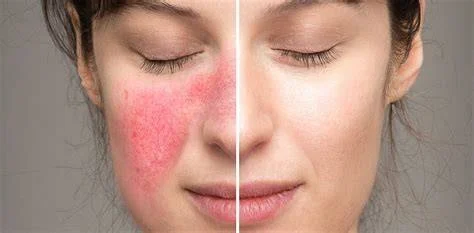
 Guide to Skin Care Treatments for Rosacea for Women: Effective SolutionsSkin care treatments for rosacea, rosacea treatment for women, rosacea skin care, best skin care for rosacea, rosacea care guide, treating rosacea, rosacea managementLearn about the best skin care treatments for rosacea in women. Discover effective solutions, tips, and tricks for managing rosacea and keeping your skin healthy and radiant.
- 1. Introduction
- 2. Understanding Rosacea
- 3. Skin Care Treatments for Rosacea
- 4. Lifestyle Changes to Manage Rosacea
- 5. When to See a Dermatologist
- 6. Conclusion
1. Introduction
Rosacea is a common skin condition that affects millions of women worldwide, often causing redness, bumps, and visible blood vessels on the face. For those dealing with rosacea, choosing the right skin care treatments is essential for managing symptoms and preventing flare-ups. In this guide, we’ll explore the most effective skin care treatments for rosacea, tailored specifically for women. We’ll also cover important lifestyle changes and provide helpful tips to maintain clear, healthy skin.
2. Understanding Rosacea
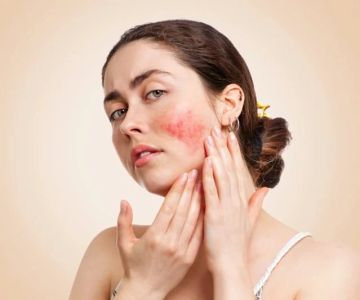
Rosacea is a chronic condition that primarily affects the skin of the face, especially the cheeks, nose, and forehead. It is characterized by frequent redness, flushing, and in some cases, the formation of pimples or bumps. While the exact cause of rosacea is unknown, various factors like genetics, environmental triggers, and lifestyle choices can contribute to flare-ups.
2.1 Common Symptoms of Rosacea
Some of the common symptoms include:
- Persistent redness or flushing on the face
- Visible blood vessels (telangiectasia)
- Acne-like bumps and pustules
- Burning or stinging sensations on the skin
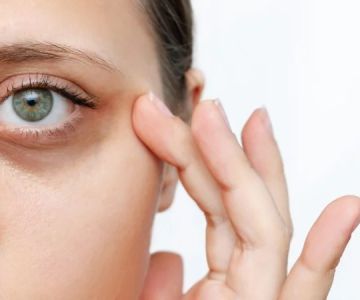
- Eye irritation (ocular rosacea)
2.2 Triggers for Rosacea
Understanding your triggers is key to managing rosacea. Common triggers include:
- Spicy foods
- Hot beverages
- Extreme temperatures (heat or cold)
- Stress
- Sun exposure
- Alcohol
By avoiding these triggers, you can help minimize the frequency and severity of rosacea flare-ups.
3. Skin Care Treatments for Rosacea
Choosing the right skin care products is crucial in managing rosacea. Harsh ingredients and over-the-counter acne treatments can worsen the condition. Here are some of the best skin care treatments for rosacea:
3.1 Gentle Cleansing
Start by using a gentle, fragrance-free cleanser. Avoid harsh scrubs and exfoliators, as they can irritate sensitive skin. Look for a cleanser designed for rosacea-prone skin that will clean without stripping the skin’s natural oils.
3.2 Moisturizing
Moisturizing is essential for rosacea sufferers, as dry skin can trigger flare-ups. Choose a thick, hydrating moisturizer that is free from alcohol and fragrances. Look for products that contain soothing ingredients like aloe vera or ceramides, which can help repair the skin’s barrier and reduce irritation.
3.3 Targeted Treatments
Topical treatments can help reduce inflammation and control breakouts. Products containing metronidazole or azelaic acid are often prescribed by dermatologists to help treat rosacea symptoms. Over-the-counter options may include sulfur-based creams or products with niacinamide, which is known for its anti-inflammatory properties.
3.4 Sunscreen
Sun exposure is one of the most common triggers for rosacea flare-ups, so using sunscreen daily is a must. Choose a broad-spectrum sunscreen with at least SPF 30. Opt for a mineral sunscreen with zinc oxide or titanium dioxide, which are less likely to irritate sensitive skin.
4. Lifestyle Changes to Manage Rosacea
In addition to skin care treatments, certain lifestyle changes can help manage rosacea more effectively.
4.1 Avoid Known Triggers
As mentioned earlier, certain factors can trigger rosacea flare-ups. Keeping a journal of your symptoms and identifying patterns can help you avoid these triggers. Whether it's a particular food, drink, or environmental factor, staying aware of your triggers is key to preventing flare-ups.
4.2 Stress Management
Stress is a known trigger for rosacea, so finding ways to manage stress is crucial. Consider incorporating stress-relieving practices such as yoga, deep breathing exercises, or regular physical activity into your daily routine.
4.3 Healthy Diet
Eating a healthy, balanced diet can improve your overall skin health. Include foods that are rich in antioxidants, such as berries, leafy greens, and omega-3 fatty acids, which can help reduce inflammation and promote skin healing. Avoid spicy foods and alcohol, as these can trigger rosacea symptoms.
5. When to See a Dermatologist
While over-the-counter treatments and lifestyle changes can be effective for mild rosacea, it’s important to consult a dermatologist if your symptoms are persistent, worsening, or not responding to treatment. A dermatologist can prescribe stronger medications, such as oral antibiotics or topical treatments, to better manage the condition.
6. Conclusion
Managing rosacea effectively requires a combination of the right skin care treatments, lifestyle changes, and regular monitoring of your symptoms. By using gentle products, moisturizing regularly, and protecting your skin from the sun, you can reduce flare-ups and improve the appearance of your skin. Remember to consult with a dermatologist if necessary, and always take a personalized approach to treating your rosacea.
If you’re looking for more information on the best skin care products for rosacea or need expert advice, visit SkinCare Experts for top recommendations!

 ProSkin5.0 (20 reviews)
 Especially Aesthetic0.0 (0 reviews)
 Cameron Dermatology4.0 (572 reviews)
 LillyFace Premium Skin Care5.0 (1 reviews)
 Wake Up & Make Up By Ann Located in own building4.0 (13 reviews)
 Tampa Bay Laser Lipo4.0 (55 reviews)
 Daily Skin Care Routine for Dark Circles in People Living in Dry Climates
 How to Avoid Oily Skin in People with Sensitive Skin – Dermatologist Tips & Daily Skincare Guide
 How To Soothe Cleansers to Improve Inflamed Skin Naturally and Effectively
 How to Deal with Uneven Skin Tone Using Natural Remedies
 Daily Skin Care Routine For Dull Skin In People With Sensitive Skin
 How To Soothe Redness Using Natural Remedies