

Effective Ways to Improve Your Dry Skin With These 12 Tips
- 1-Understanding Dry Skin
- 2-1. Hydrate Regularly
- 2-2. Use Moisturizers
- 2-3. Gentle Cleansing
- 2-4. Protect Skin from the Cold
- 2-5. Avoid Long, Hot Showers
- 2-6. Humidify Your Indoor Environment
- 2-7. Choose Skin-Friendly Clothing
- 2-8. Stay Nourished with Skin-Boosting Foods
- 2-9. Use Overnight Moisturizing Treatments
- 2-10. Use Sun Protection
- 2-11. Seek Professional Skin Care
- 2-12. Understand Skin Sensitivities
1-Understanding Dry Skin
Dry skin is a common issue that affects people of all ages. It can cause discomfort, itching, and even cracking. The key to managing dry skin is understanding its causes, which range from environmental factors to genetics. Harsh weather, hot showers, or certain skincare products can exacerbate dryness. Proper care and attention can help you improve and maintain your skin’s moisture balance.
1.1 Common Causes of Dry Skin
Common causes of dry skin include low humidity, hot showers, air conditioning, or heating systems. Additionally, skin conditions like eczema and psoriasis can also contribute to dryness. Understanding the root cause of your dry skin can help you choose the most effective solutions.
2-1. Hydrate Regularly
Hydration is one of the most important steps in improving dry skin. Drinking water throughout the day helps maintain moisture levels in your skin from the inside out. Aim for at least 8 glasses a day, or more if you're in a dry climate or engaging in physical activity.
2.1.1 Skin Benefits of Hydration
Hydration helps your skin retain its elasticity and reduces the appearance of fine lines and wrinkles. It also supports the body’s natural ability to repair skin cells and keeps your skin soft and supple.
2-2. Use Moisturizers
Moisturizers are essential for locking in hydration and protecting your skin from drying out. Look for creams and lotions that contain ingredients like hyaluronic acid, glycerin, or ceramides, which help draw moisture into the skin and keep it there.
2.2.1 Best Time to Apply Moisturizer
The best time to apply moisturizer is immediately after a shower or bath, while your skin is still damp. This helps to trap the moisture and enhance its absorption.
2-3. Gentle Cleansing
When washing your face or body, it’s important to use a gentle cleanser that won’t strip away your skin’s natural oils. Harsh soaps and cleansers can contribute to dryness and irritation. Look for products labeled "gentle" or "hydrating," and avoid those that contain alcohol or fragrances, as these can dry out your skin.
2.3.1 The Importance of pH-Balanced Products
Choose cleansers with a pH balance close to that of your skin (around 5.5) to maintain its natural protective barrier. Avoid hot water, as it can further dehydrate the skin.
2-4. Protect Skin from the Cold
Cold, windy weather can severely dry out your skin, especially during the winter months. To protect your skin, wear gloves, scarves, and hats to shield your face and hands from the cold. Additionally, consider using a heavier moisturizer during the colder months for added protection.
2.4.1 Using Humidifiers
In cold weather, indoor heating systems can dry out the air. A humidifier can help add moisture back into the air, keeping your skin from becoming too dry and flaky.
2-5. Avoid Long, Hot Showers
As tempting as it is, long, hot showers can strip your skin of its natural oils. Try to keep your showers warm instead of hot, and limit them to 5-10 minutes. This will help preserve your skin’s moisture levels and reduce the risk of dryness and irritation.
2.5.1 Gentle Patting After Shower
After showering, gently pat your skin with a towel rather than rubbing it. This helps to retain some of the moisture while drying off.
2-6. Humidify Your Indoor Environment
Indoor heating and air conditioning can dry out the air, making your skin more prone to dryness. Use a humidifier to maintain moisture in the air, especially during the winter months when humidity tends to drop.
2-7. Choose Skin-Friendly Clothing
Wearing fabrics like cotton, linen, and silk allows your skin to breathe and reduces the likelihood of irritation. Avoid wool or synthetic fabrics, which can trap moisture and cause skin to itch or break out.
2-8. Stay Nourished with Skin-Boosting Foods
Eating a diet rich in vitamins and healthy fats can improve the health of your skin. Omega-3 fatty acids, found in foods like salmon and walnuts, help keep your skin hydrated and reduce inflammation. Vitamin E, found in nuts, seeds, and leafy greens, is another essential nutrient for skin health.
2-9. Use Overnight Moisturizing Treatments
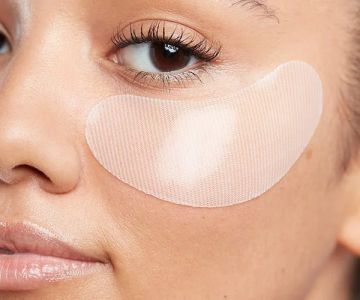
Overnight moisturizing treatments are designed to work while you sleep, when your skin is in repair mode. Apply a rich, hydrating mask or moisturizer before bed for deep nourishment. Look for products with ingredients like shea butter or jojoba oil for intense hydration.
2-10. Use Sun Protection
UV rays can damage the skin and contribute to dryness and premature aging. Always apply a broad-spectrum sunscreen with SPF 30 or higher, even on cloudy days. This will protect your skin from harmful UV rays and prevent further dehydration.
2-11. Seek Professional Skin Care
If your dry skin persists despite following these tips, consider seeking advice from a dermatologist. They can help identify underlying causes, such as skin conditions, and recommend specialized treatments to restore your skin’s health.
2-12. Understand Skin Sensitivities
Some individuals may have sensitivities to certain skincare ingredients. Always patch-test new products before full application, and consult a dermatologist if you notice any irritation. Choosing hypoallergenic, fragrance-free products can also help prevent skin sensitivities.





 ProSkin5.0 (20 reviews)
 Especially Aesthetic0.0 (0 reviews)
 Cameron Dermatology4.0 (572 reviews)
 LillyFace Premium Skin Care5.0 (1 reviews)
 Wake Up & Make Up By Ann Located in own building4.0 (13 reviews)
 Tampa Bay Laser Lipo4.0 (55 reviews)
 Daily Skin Care Routine for Dark Circles in People Living in Dry Climates
 How to Avoid Oily Skin in People with Sensitive Skin – Dermatologist Tips & Daily Skincare Guide
 How To Soothe Cleansers to Improve Inflamed Skin Naturally and Effectively
 How to Deal with Uneven Skin Tone Using Natural Remedies
 Daily Skin Care Routine For Dull Skin In People With Sensitive Skin
 How To Soothe Redness Using Natural Remedies