
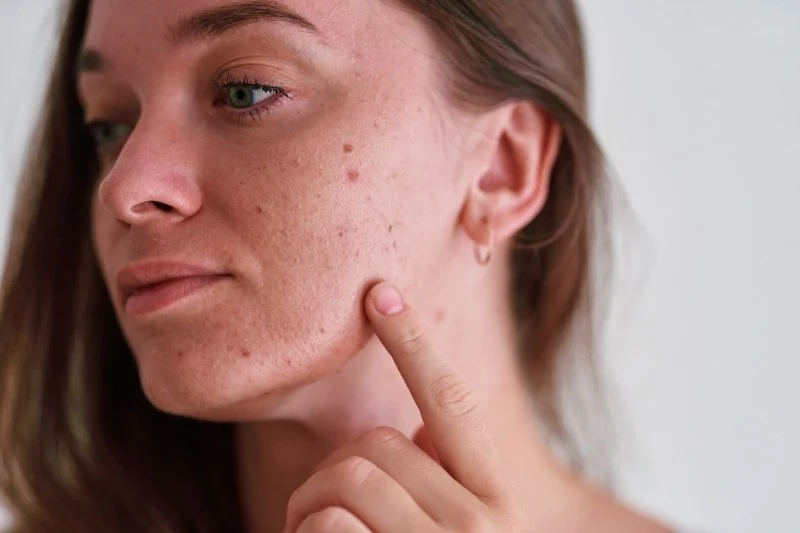
Best Skin Care Treatments for Reducing Acne and Breakouts: Top Solutions for Clearer Skin
- 1. Understanding Acne and Its Causes
- 2. Best Skin Care Treatments for Acne
- 3. Natural Remedies for Acne
- 4. Building a Skin Care Routine to Prevent Acne
- 5. Tracking Your Acne Treatment Progress
1. Understanding Acne and Its Causes
Acne is one of the most common skin conditions, affecting people of all ages. It occurs when hair follicles become clogged with oil, dead skin cells, and bacteria, leading to the formation of pimples, blackheads, and cysts. The causes of acne can vary, from hormonal changes during puberty or pregnancy to stress and diet. Understanding these causes is crucial in finding effective treatments for acne.
Although acne is often associated with adolescence, it can occur at any age. Factors such as genetics, skincare habits, and environmental influences play a significant role in its development. By understanding the root cause, you can tailor your skincare routine to target the specific type of acne you are experiencing.
2. Best Skin Care Treatments for Acne
There are many effective treatments available for reducing acne and breakouts, from topical creams to advanced skincare routines. Below are some of the best skin care treatments for acne:
- Salicylic Acid: This beta-hydroxy acid (BHA) is a common ingredient in acne treatment products. It helps to unclog pores, reduce inflammation, and exfoliate dead skin cells. It’s best for treating mild to moderate acne.
- Retinoids: Retinoids are derived from vitamin A and are excellent for preventing clogged pores. They help to speed up cell turnover, which reduces the formation of acne lesions. Retinoids are often used for more severe acne.
- Benzoyl Peroxide: This ingredient kills acne-causing bacteria and helps reduce inflammation. It is especially effective for cystic acne and is commonly used in both creams and spot treatments.
- Topical Antibiotics: Topical antibiotics, such as clindamycin, can help reduce the bacteria responsible for acne. They are often used in combination with other acne treatments.
3. Natural Remedies for Acne
In addition to over-the-counter treatments, several natural remedies may help reduce acne and promote clearer skin. While these remedies may not be as immediately effective as medical treatments, they can provide a gentler alternative for sensitive skin:
- Tea Tree Oil: Known for its antibacterial properties, tea tree oil can help reduce acne-causing bacteria and inflammation. Apply it directly to pimples using a cotton swab or mix it with a carrier oil.
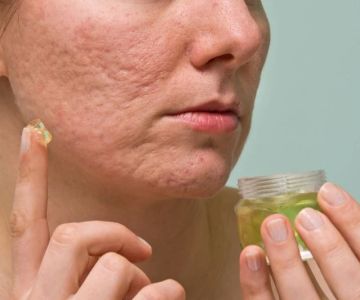
- Aloe Vera: Aloe vera is soothing and helps reduce inflammation. Its antimicrobial properties make it a great option for treating acne and healing scars.
- Honey: Honey has natural antibacterial properties that can help reduce acne breakouts. It also provides moisture to the skin without clogging pores, making it great for acne-prone skin.
4. Building a Skin Care Routine to Prevent Acne
Creating a consistent skincare routine is essential for preventing and managing acne. Here’s a simple routine that you can follow:
- Cleanser: Use a gentle cleanser to remove excess oil, dirt, and bacteria from your skin. Look for one with salicylic acid or benzoyl peroxide to prevent acne breakouts.
- Toner: A toner helps balance your skin's pH levels and removes any remaining impurities after cleansing. Opt for a toner with witch hazel or tea tree oil for its acne-fighting benefits.
- Treatment: Apply an acne treatment that targets your specific skin concerns. Whether it’s benzoyl peroxide, salicylic acid, or retinoids, make sure to choose a treatment suited for your acne type.
- Moisturizer: Even acne-prone skin needs moisture. Choose a lightweight, oil-free moisturizer to keep your skin hydrated without clogging pores.
5. Tracking Your Acne Treatment Progress
Patience is key when treating acne. Results may take time, so it’s important to track your progress and adjust your routine accordingly. Keep a journal of your skincare regimen, noting any changes in your skin and how your acne is responding to treatments. If you’re not seeing improvement, consider consulting a dermatologist to discuss more advanced treatments.
By combining the best skin care treatments, natural remedies, and a consistent skincare routine, you can effectively manage acne and reduce breakouts over time. For more advice and product recommendations, explore the best solutions at SkinCare Experts to get started on your acne-free journey.

 Dermatology Associates of Georgia3.0 (103 reviews)
 Virtue Aesthetics0.0 (0 reviews)
 Desert Dream Esthetics5.0 (31 reviews)
 Lilliana a Skincare Boutique0.0 (0 reviews)
 LA Esthetique(Clinical Aesthetics)-Brentwood/Beverly Hills4.0 (4 reviews)
 skin 1st4.0 (4 reviews)
 What Is the Best Skin Care Routine for Sensitive Skin?
 How to Prevent and Treat Skin Irritations from Shaving: Expert Tips for a Smooth, Comfortable Shave
 How to Build the Perfect Skincare Routine for Every Season
 How to Avoid Scars: Essential Tips for Skin Care
 The Best Skin Care Tips for Reducing Stress-Induced Skin Issues
 How to Repair Sun Damage in Humid Climates and Keep Your Skin Healthy