
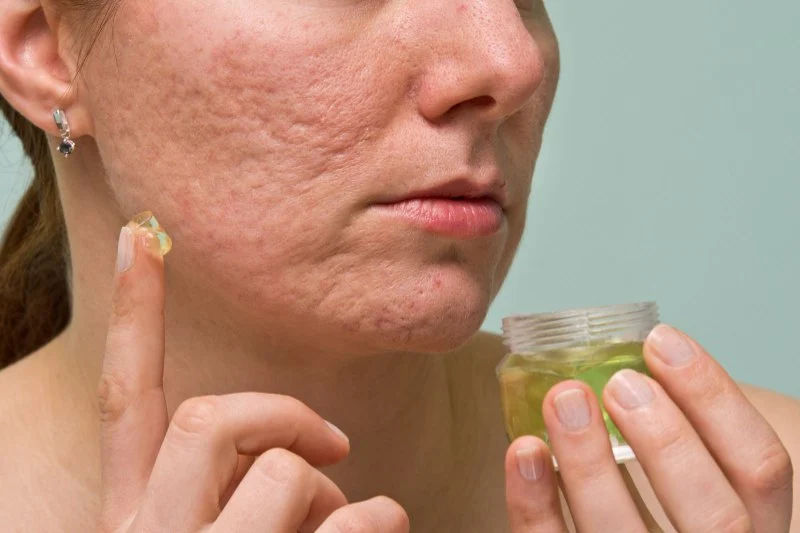
How to Treat and Prevent Acne Scars with Targeted Skincare Products
- Understanding Acne Scars: What They Are and How They Form
- Common Causes of Acne Scars
- Skincare Products for Treating Acne Scars
- How to Prevent Acne Scars from Forming
- Real-Life Case Study: Successful Acne Scar Treatment
- Final Tips for Clearer Skin
Understanding Acne Scars: What They Are and How They Form
Acne scars are a common and often frustrating consequence of acne, especially when pimples are not treated correctly or are picked at. They occur when the skin's healing process is disrupted, causing the body to produce either too much or too little collagen. This leads to depressed or raised marks on the skin’s surface. Whether you have dark spots, pitted scars, or raised bumps, treating acne scars requires a strategic approach with the right skincare products. In this guide, we’ll explore the best ways to treat and prevent acne scars using targeted skincare products.
Common Causes of Acne Scars
Understanding what causes acne scars is the first step in preventing them. Acne scars form during the healing process of a pimple. Several factors contribute to the formation of acne scars, including:
1. Picking or Squeezing Pimples
One of the most common causes of acne scars is picking at or squeezing pimples. This can damage the skin and lead to inflammation, which increases the risk of scarring. Avoiding this habit can prevent further damage and reduce the likelihood of scarring.
2. Inflammation
The more inflamed a pimple becomes, the greater the risk of scarring. Inflammation can cause the skin to become damaged at deeper levels, leading to scarring that can last for months or even years.
3. Delayed Healing
If acne isn’t treated promptly or correctly, it can take longer for the skin to heal, increasing the chances of scarring. Using proper skincare and avoiding harsh treatments can help speed up the healing process and minimize scar formation.
Skincare Products for Treating Acne Scars
Targeted skincare products can significantly improve the appearance of acne scars by promoting skin regeneration, reducing hyperpigmentation, and enhancing overall skin texture. Here are some key ingredients and products that can help treat acne scars:
1. Retinoids
Retinoids are one of the most effective ingredients for treating acne scars. They promote skin cell turnover, which helps fade dark spots and smooth out textured scars. Retinoid creams or serums can be applied at night and should be used consistently for the best results.
2. Vitamin C
Vitamin C is a powerful antioxidant that brightens the skin and helps reduce hyperpigmentation. It can help lighten dark spots left by acne and even out skin tone. Look for serums or creams with stabilized vitamin C for maximum effectiveness.
3. Niacinamide
Niacinamide, or vitamin B3, is known for its anti-inflammatory properties and its ability to reduce redness and discoloration. It’s gentle on the skin and can be used daily to improve the appearance of scars and prevent new ones from forming.
4. Alpha Hydroxy Acids (AHAs)
AHAs, like glycolic acid, help exfoliate the skin’s surface and promote the shedding of dead skin cells. This encourages the formation of new, healthy skin and can help reduce the appearance of scars over time. Look for AHA-based exfoliators or chemical peels to improve skin texture.
5. Sunscreen
Using sunscreen is crucial when treating acne scars. Exposure to the sun can darken scars and make them more prominent. Apply a broad-spectrum sunscreen with SPF 30 or higher every morning to protect your skin and prevent further discoloration of scars.
How to Prevent Acne Scars from Forming
Prevention is always better than treatment, and with acne, this couldn’t be more true. Here are some strategies to prevent acne scars from forming:
1. Treat Acne Early
One of the best ways to prevent acne scars is to treat acne as soon as possible. Using acne-fighting products that contain ingredients like benzoyl peroxide or salicylic acid can help clear up pimples before they cause permanent damage.
2. Avoid Picking or Squeezing Pimples
It’s essential to resist the urge to pick or squeeze pimples. Doing so can push bacteria deeper into the skin and cause inflammation, which leads to scarring. If you have a pimple, treat it gently with acne treatments and let it heal naturally.
3. Moisturize and Hydrate
Keeping your skin hydrated helps it heal more efficiently. Use a non-comedogenic moisturizer to keep your skin balanced and reduce the risk of new breakouts. Proper hydration also helps with skin regeneration, which can minimize scarring.
Real-Life Case Study: Successful Acne Scar Treatment
Take the story of Jenna, a 28-year-old who struggled with acne scars for years. She started using a skincare routine that included a retinoid, vitamin C serum, and sunscreen. After consistent use, Jenna noticed a significant reduction in the appearance of her acne scars. The dark spots faded, and her skin became smoother and more even-toned. With proper care and the right products, Jenna was able to regain her confidence and achieve clear skin.
Final Tips for Clearer Skin
Acne scars can be frustrating, but with the right approach, you can significantly reduce their appearance. Using targeted skincare products with ingredients like retinoids, vitamin C, and niacinamide can help improve skin texture and fade dark spots. Remember, prevention is key, so treat your acne early, avoid picking at your skin, and always wear sunscreen. If you're looking for the best products for acne scar treatment, visit 【SkinCare Experts】 for trusted recommendations and expert advice on achieving clearer, smoother skin.
 Skin & Wax by Dondi5.0 (10 reviews)
 Skin So Bare Laser Center4.0 (141 reviews)
 Essentials Spa4.0 (4 reviews)
 Grekin Skin Institute - Shelby Township4.0 (216 reviews)
 Monarch Skin Therapy5.0 (52 reviews)
 Olive Skin Care4.0 (4 reviews)
 Understanding Moisturizer to Improve Age Spots for Healthier Skin
 How To Achieve Dry Skin For Athletes | SkinCare Experts
 Best Natural Skin Care Products for a Healthier Glow
 The Benefits of Vitamin C for Your Skin and How to Use It
 What Are the Best Skincare Tips for People Over 40?
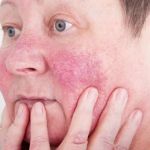 How To Heal Redness And How To Manage It Effectively