
- Understanding Scars in People Over 40
- Why Scars Can Be More Difficult to Treat After 40
- Effective Treatments for Scars in People Over 40
- Preventing Future Scars as You Age
- SkinCare Experts Recommendations for Scar Treatment
Understanding Scars in People Over 40
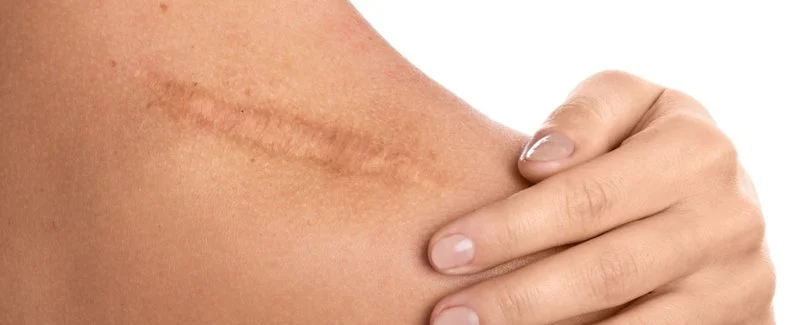
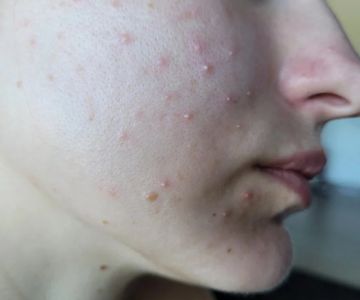
As we age, our skin undergoes various changes that affect how it heals, particularly when it comes to scars. Scars can result from acne, injuries, surgeries, or even conditions like chickenpox. In people over 40, scar formation can be more noticeable and take longer to heal due to a decrease in collagen production, which is essential for skin regeneration.
In addition to physical changes, the skin's natural elasticity and ability to regenerate slow down as we age, making scar repair more challenging. However, there are still effective ways to minimize their appearance and encourage healing.
Why Scars Can Be More Difficult to Treat After 40
Several factors make treating scars in individuals over 40 more challenging:
- Reduced Collagen Production: As you age, the skin produces less collagen, the protein responsible for keeping skin firm and flexible. This reduction in collagen leads to slower healing and the formation of thicker, more prominent scars.
- Thinning Skin: Older skin is thinner and less capable of supporting new tissue growth, making it harder for scars to heal effectively.
- Sun Damage: Years of sun exposure can weaken the skin, leaving it more prone to scarring and reducing its ability to repair itself.
While these factors make scar healing more complex, they also highlight the importance of proper skincare and effective treatments to encourage faster healing and reduce scar visibility.
Effective Treatments for Scars in People Over 40
Fortunately, there are a variety of treatments and strategies that can help improve the appearance of scars, even as you age. Let’s explore the most effective methods:
1. Topical Treatments for Scars
Topical treatments, such as creams and gels, can significantly reduce scar visibility by helping to soften the scar tissue and promote healing. Some popular ingredients to look for include:
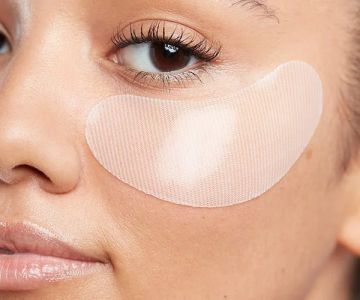
- Silicone Gel Sheets: These are widely recommended by dermatologists for scar treatment. Silicone helps hydrate the scar, softens it, and reduces redness and discoloration.
- Corticosteroid Creams: These are often prescribed for hypertrophic (raised) scars, as they can help flatten and reduce the redness of the scar.
- Vitamin E: While studies on its effectiveness are mixed, many people find vitamin E oil helpful in moisturizing scars and reducing their appearance.
2. Laser Scar Treatment
Laser treatments are effective for reducing scars in people over 40, especially when they involve fractional CO2 lasers or pulsed-dye lasers. These treatments work by stimulating collagen production and improving skin texture, making them ideal for reducing the appearance of both old and new scars.
Laser therapy helps break down scar tissue and encourages the formation of new, healthy skin. It's important to consult with a dermatologist to determine if laser treatments are right for your type of scar.
3. Microneedling for Scar Repair
Microneedling involves the use of tiny needles to create micro-injuries in the skin, which stimulates collagen production and helps repair scars. This method is particularly effective for improving the texture and tone of the skin, reducing the appearance of both shallow and deep scars.
Microneedling can be done at home with a dermaroller or professionally at a clinic, depending on the severity of the scars and the desired results.
4. Chemical Peels for Scar Reduction
Chemical peels use acids to exfoliate the top layers of the skin, promoting cell turnover and helping to fade scars. These peels can be light, medium, or deep, depending on the severity of the scars and the skin's needs.
For people over 40, deeper peels can help with more significant scarring and sun damage. However, it’s essential to consult with a professional to choose the right type of chemical peel for your skin type.
Preventing Future Scars as You Age
While it may be difficult to avoid scars entirely, taking steps to prevent new ones can help you maintain smoother, healthier skin as you age. Here are a few tips to reduce the risk of future scarring:
- Sun Protection: Sun exposure can worsen scars and prevent them from healing. Always use a broad-spectrum sunscreen with SPF 30 or higher on areas with scars.
- Moisturize Regularly: Keeping your skin hydrated promotes healing and helps prevent new scars from forming. Use a moisturizer that contains ingredients like hyaluronic acid to keep the skin plump and healthy.
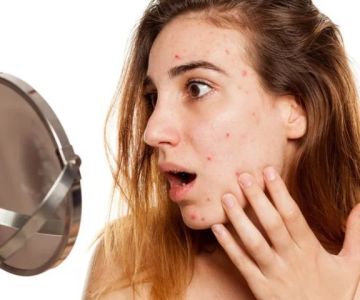
- Don't Pick at Your Skin: Picking at acne, scabs, or other skin imperfections can lead to deeper scars. Try to avoid touching or squeezing blemishes to reduce the risk of scarring.
SkinCare Experts Recommendations for Scar Treatment
For personalized recommendations on the best products for scar treatment, visit SkinCare Experts. We offer a wide selection of scar-reducing creams, oils, and treatments tailored to your skin type. Our experts can also provide guidance on how to incorporate these products into your skincare routine for optimal results. Whether you’re dealing with new scars or long-standing ones, we’re here to help you achieve smoother, healthier skin.

 GLO30 National Landing4.0 (218 reviews)
 Linda Lee Skin Care & Natural Nails5.0 (2 reviews)
 Carson Skin Rejuvenation5.0 (13 reviews)
 Charm's Aesthetics, LLC5.0 (5 reviews)
 Skin By Candace4.0 (13 reviews)
 Epiphany Dermatology4.0 (1746 reviews)
 How To Boost Your Skin's Sensitive Skin In People Living In Humid Climates
 How To Repair Scars In People Over 40
 How To Brighten Sun Damage Effectively
 Top Tips for Fine Lines in Women: How to Manage and Reduce Them
 How To Reduce Dull Skin With A Simple Routine | Skincare Tips for Radiance
 How To Use Inflamed Skin Treatments for People with Combination Skin