
- Importance of Scar Prevention
- Steps to Prevent Scars
- Essential Skin Care Products for Healing
- Common Myths About Scar Healing
Importance of Scar Prevention
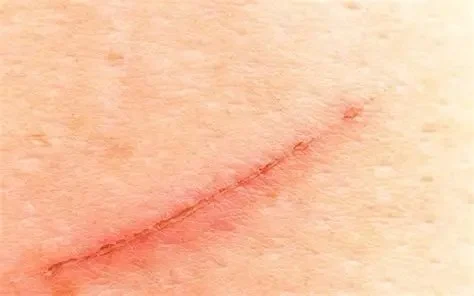
Scars can be a constant reminder of past injuries, surgeries, or accidents. While it's impossible to avoid every scar, especially when the injury is severe, there are steps you can take to minimize their appearance and prevent them from becoming permanent marks. Scarring occurs when the skin heals after a wound, and the severity of the scar can vary based on various factors such as the type of injury, genetics, and how well the wound is cared for.
Preventing scars starts with understanding the healing process and taking proactive steps during the recovery period. A few simple changes to your skincare routine can significantly reduce the risk of scars forming, or at least help them fade more quickly. Whether it's a small cut, a burn, or an acne mark, taking care of your skin is essential in promoting the best healing and reducing scarring.
Steps to Prevent Scars
Preventing scars requires a combination of proper wound care and maintaining good skin health. Here are several essential steps you can take to minimize scarring:
1. Clean the Wound Properly
When you get injured, one of the most important steps is cleaning the wound immediately. This helps prevent infection, which can worsen scarring. Use clean water and a mild soap to gently cleanse the area. Avoid scrubbing or using harsh chemicals, as this can irritate the skin and cause further damage.
2. Apply an Antibiotic Ointment
After cleaning the wound, apply a thin layer of antibiotic ointment to protect the area and promote healing. Products like Neosporin or petroleum jelly can help keep the wound moist, which reduces the risk of scabs forming. It’s essential to keep the wound moist because dry wounds are more likely to form thick, raised scars.
3. Use a Bandage
Cover the wound with a sterile bandage to protect it from dirt and bacteria, which can lead to infection. A bandage also helps keep the area moist, promoting faster healing. Be sure to change the bandage regularly and avoid keeping the wound covered for too long, as this can create an environment for bacteria to thrive.
4. Avoid Picking or Scratching
It can be tempting to pick at a healing wound, but doing so can delay the healing process and lead to more noticeable scarring. Picking or scratching at a wound disrupts the healing tissue, which can cause scarring to become more prominent. Let the skin heal naturally without interference, even if the area itches or feels uncomfortable.
5. Protect the Area from Sun Exposure
Once the wound has healed, protect the area from the sun. UV rays can darken scars and make them more visible. Apply sunscreen with a high SPF (at least 30) on the healed area every time you go outside, even if it's cloudy. You can also use protective clothing or bandages to shield the skin from direct sunlight.
Essential Skin Care Products for Healing
To help your skin heal without scarring, certain skincare products can be beneficial. These products support the skin’s natural repair process and improve its overall health. Here are some essentials:
1. Aloe Vera Gel
Aloe vera is known for its soothing and healing properties. It can help reduce inflammation and promote faster healing of wounds. Applying aloe vera gel to the affected area may help prevent excessive scarring while keeping the skin hydrated and calm.
2. Vitamin E
Vitamin E has long been touted as a remedy for scars, as it helps promote skin regeneration and can improve the appearance of scars over time. You can apply vitamin E oil directly to the scar, but make sure to test it on a small area of skin first to ensure it doesn’t cause irritation.
3. Silicone Gel Sheets
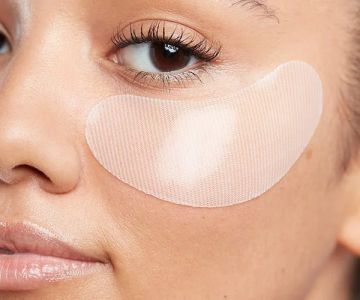
Silicone gel sheets are a popular treatment for scars, especially after surgery or severe injuries. These sheets help flatten raised scars and reduce redness. You can buy over-the-counter silicone gel sheets or use silicone gel creams to help fade scars over time.
4. Sunscreen
Sunscreen is an essential part of preventing scars from darkening. Make sure to apply a broad-spectrum sunscreen with an SPF of 30 or higher every time you go outside. This helps protect the new skin and prevent further damage from UV rays.
Common Myths About Scar Healing
There are several misconceptions about scar healing that can lead people to make mistakes when caring for their skin. Here are some common myths debunked:
1. “Scars Can Be Completely Removed”
While there are many treatments available to help minimize the appearance of scars, it’s important to manage expectations. Scars can fade significantly, but they may never disappear completely. However, proper care can reduce their visibility over time.
2. “You Should Let a Scab Form for Better Healing”
Many people believe that letting a scab form is part of the healing process. In reality, allowing the wound to remain moist and preventing scabbing can lead to better healing with less scarring. Moisture promotes faster healing and reduces the chance of scarring becoming severe.
3. “Sunscreen Isn’t Necessary for Healed Skin”
Once a wound is healed, you should continue to protect it from the sun. Sunscreen helps prevent hyperpigmentation and keeps scars from becoming more noticeable. Always wear sunscreen on healed skin exposed to the sun, regardless of whether the scar is still visible or not.
Case Study: Preventing Scars After Surgery
Many people who have undergone surgery, especially cosmetic surgery, are concerned about scarring. A study conducted by dermatologists found that patients who followed a proper skincare routine with moisturizing ointments, vitamin E, and sunscreen had significantly less noticeable scars compared to those who didn’t adhere to post-surgery care guidelines. This emphasizes the importance of prevention and proper post-care in minimizing scarring after any injury or surgery.
In conclusion, while it may not always be possible to completely prevent scars, following a simple routine can significantly reduce their severity. By cleaning wounds properly, using the right skincare products, protecting your skin from the sun, and avoiding common mistakes, you can promote faster healing and minimize the risk of lasting scars.



 GLO30 National Landing4.0 (218 reviews)
 Linda Lee Skin Care & Natural Nails5.0 (2 reviews)
 Carson Skin Rejuvenation5.0 (13 reviews)
 Charm's Aesthetics, LLC5.0 (5 reviews)
 Skin By Candace4.0 (13 reviews)
 Epiphany Dermatology4.0 (1746 reviews)
 How To Boost Your Skin's Sensitive Skin In People Living In Humid Climates
 How To Repair Scars In People Over 40
 How To Brighten Sun Damage Effectively
 Top Tips for Fine Lines in Women: How to Manage and Reduce Them
 How To Reduce Dull Skin With A Simple Routine | Skincare Tips for Radiance
 How To Use Inflamed Skin Treatments for People with Combination Skin