
- 1-Understanding Scars and How They Form
- 2-Tips for Preventing Scars from Wounds
- 3-How to Avoid Scars from Acne
- 4-Natural Remedies to Prevent Scars
- 5-When to Seek Professional Treatment for Scars
- 6-Concluding Tips on Scar Prevention
1. Understanding Scars and How They Form
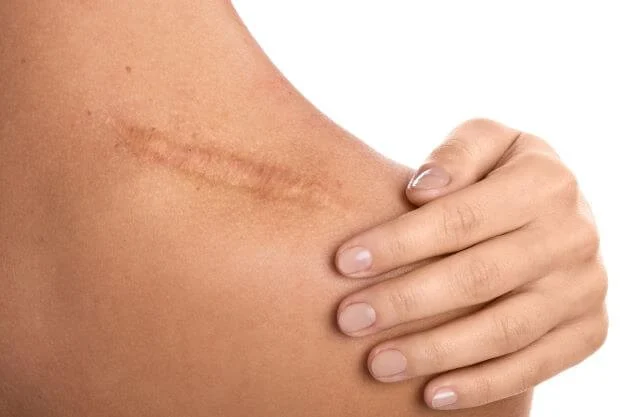
Scars are a natural part of the skin’s healing process, but they can be unsightly and sometimes permanent. They form when the skin is injured, and the body produces collagen to repair the damaged tissue. While scars are an inevitable result of skin injuries, there are steps you can take to minimize their appearance and even prevent them in some cases.
2. Tips for Preventing Scars from Wounds
One of the most effective ways to avoid scars is by taking proper care of wounds from the moment they occur. Whether it's a cut, scrape, or surgical incision, proper wound care can make all the difference in preventing a scar from forming.
2.1-Clean the Wound Immediately
After any injury, cleaning the wound is crucial. Use mild soap and water to wash the area gently, removing any dirt or bacteria that could cause infection. Infection can increase the chances of scarring, so keeping the wound clean is vital to avoid further complications.
2.2-Apply an Antibiotic Ointment
Using an antibiotic ointment can help prevent infection and promote faster healing. Applying this ointment regularly can reduce the risk of scarring by ensuring that the wound heals cleanly and without complications.
2.3-Keep the Wound Moisturized
Moisture plays a key role in healing wounds. Applying a thin layer of a healing ointment or petroleum jelly can help prevent the wound from drying out, which can lead to scabbing and increased scar formation. Keeping the wound moist allows it to heal more effectively.
3. How to Avoid Scars from Acne
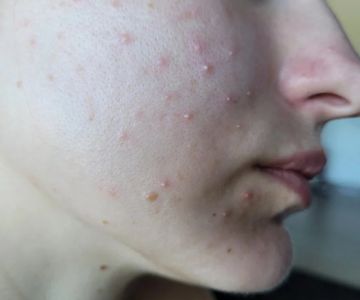
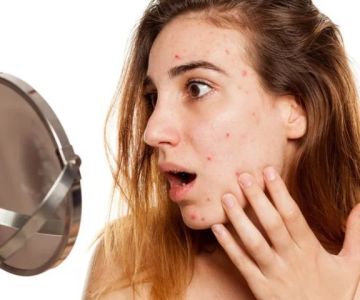
Acne is one of the leading causes of scarring, especially if it’s not properly treated or if it leads to picking and squeezing. Fortunately, there are steps you can take to prevent acne scars from forming.
3.1-Don’t Pick or Squeeze Pimples
Picking at acne can push bacteria deeper into the skin, increasing the risk of scarring. It's important to resist the urge to squeeze pimples, even though it might feel tempting. If you're concerned about acne, see a dermatologist for professional treatments that can help manage it.
3.2-Treat Acne Early
Early treatment can help prevent acne from worsening and scarring. Using topical treatments like benzoyl peroxide, salicylic acid, or retinoids can help reduce acne and prevent it from becoming inflamed. Starting treatment early can minimize the damage to your skin and reduce the chance of scarring.
3.3-Use Sunscreen
Sun exposure can worsen acne scars, making them more noticeable. Apply a broad-spectrum sunscreen with SPF 30 or higher every day, even on cloudy days. Sunscreen protects the healing skin and prevents further damage from UV rays.
4. Natural Remedies to Prevent Scars
In addition to medical treatments, there are several natural remedies that can help prevent and minimize scars. While these remedies may not work as quickly or effectively as medical treatments, they can still provide benefits when used consistently.
4.1-Aloe Vera
Aloe vera is known for its soothing and healing properties. It can help reduce inflammation and speed up the healing process, which may prevent scars from forming. Apply fresh aloe vera gel to the affected area daily for the best results.
4.2-Vitamin E
Vitamin E is commonly used to improve the appearance of scars. It has antioxidant properties that promote skin healing and can help soften and fade scars over time. However, be cautious, as some people may experience irritation with vitamin E, so it’s best to do a patch test first.
4.3-Lemon Juice
Lemon juice contains natural acids that can exfoliate the skin and reduce pigmentation. It can help lighten dark spots left by scars. However, lemon juice can make the skin sensitive to the sun, so always apply sunscreen when using lemon juice on the skin.
5. When to Seek Professional Treatment for Scars
While most scars will fade over time with proper care, some may require professional treatment to reduce their appearance. If you have deep scars, keloids, or scars that don’t improve with home remedies, it may be time to consult a dermatologist for more advanced treatments.
5.1-Dermal Fillers
Dermal fillers can help plump up depressed scars, such as those caused by acne. The fillers restore volume to the skin and make the scar less noticeable.
5.2-Laser Treatments
Laser treatments use light energy to break down scar tissue and encourage new skin growth. This treatment can help reduce the appearance of scars by improving skin texture and tone.
5.3-Microdermabrasion
Microdermabrasion is a non-invasive procedure that exfoliates the skin, removing the outer layer of dead skin cells. It can improve the texture of scars by promoting the growth of new, smoother skin.
6. Concluding Tips on Scar Prevention
While scars are a natural part of the healing process, there are numerous ways to minimize their formation. From proper wound care to early acne treatment and natural remedies, the key is consistency. If scars do form, don’t be discouraged—there are effective treatments available to reduce their appearance. Taking proactive steps to care for your skin can lead to healthier, scar-free skin in the future.
For more personalized skin care recommendations and effective products to prevent scars, visit SkinCare Experts.

 GLO30 National Landing4.0 (218 reviews)
 Linda Lee Skin Care & Natural Nails5.0 (2 reviews)
 Carson Skin Rejuvenation5.0 (13 reviews)
 Charm's Aesthetics, LLC5.0 (5 reviews)
 Skin By Candace4.0 (13 reviews)
 Epiphany Dermatology4.0 (1746 reviews)
 How To Boost Your Skin's Sensitive Skin In People Living In Humid Climates
 How To Repair Scars In People Over 40
 How To Brighten Sun Damage Effectively
 Top Tips for Fine Lines in Women: How to Manage and Reduce Them
 How To Reduce Dull Skin With A Simple Routine | Skincare Tips for Radiance
 How To Use Inflamed Skin Treatments for People with Combination Skin