
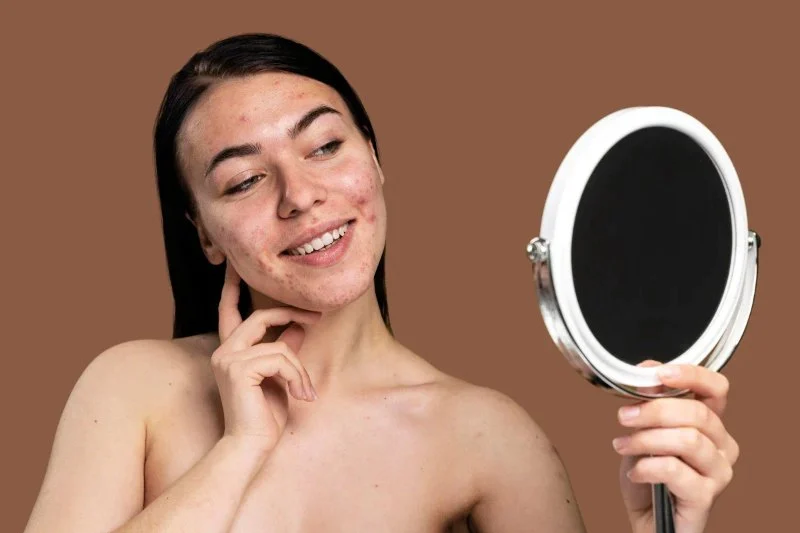
1. Understanding Acne-Prone Skin in Your 20s
Acne is a common skin condition that can affect individuals well into their 20s. During this stage of life, hormonal fluctuations, lifestyle changes, and even stress can contribute to the appearance of acne. Acne-prone skin is characterized by clogged pores, inflammation, and excessive oil production, which can lead to breakouts and skin irritation. Understanding the unique factors contributing to acne in your 20s is essential for building a skincare routine that addresses these challenges and promotes clear, healthy skin.
2. Essential Steps for an Acne-Prone Skin Routine
Building an effective skincare routine for acne-prone skin requires consistency, the right products, and a careful approach to prevent irritation. Here are the key steps to follow for an acne-fighting routine:
1. Cleanse Twice a Day
Cleansing your skin is the foundation of any skincare routine. Use a gentle, acne-fighting cleanser in the morning and evening to remove dirt, oil, and impurities that contribute to clogged pores. Avoid harsh cleansers that can strip the skin of natural oils, as this can cause the skin to overproduce oil, leading to more breakouts.
2. Exfoliate Regularly (But Not Too Often)
Exfoliating helps remove dead skin cells and prevent clogged pores. However, over-exfoliating can irritate the skin and worsen acne. Aim to exfoliate 2–3 times a week using a gentle chemical exfoliator, such as salicylic acid, which helps unclog pores without causing irritation.
3. Apply Treatment Products
Once your skin is clean, use acne treatment products containing active ingredients like benzoyl peroxide, salicylic acid, or niacinamide. These ingredients help target acne-causing bacteria, reduce inflammation, and regulate oil production. Apply these treatments to problem areas and allow them to absorb fully before applying other products.
4. Moisturize
Even acne-prone skin needs moisture. Look for a lightweight, non-comedogenic moisturizer that hydrates the skin without clogging pores. Moisturizing helps maintain your skin's barrier function and prevents dryness, which can lead to irritation and further breakouts.
5. Use Sunscreen Daily
Acne treatments can make your skin more sensitive to the sun. Always apply sunscreen with at least SPF 30 during the day, even if you’re staying indoors. Sunscreen protects your skin from harmful UV rays, which can cause dark spots and increase the risk of scarring.
3. Choosing the Right Products for Acne-Prone Skin
Choosing the right products for acne-prone skin is crucial to managing breakouts and preventing irritation. Here are some tips on selecting products that work for your skin:
1. Look for Non-Comedogenic Labels
Non-comedogenic products are formulated to avoid clogging pores. Always choose moisturizers, sunscreens, and makeup labeled as non-comedogenic to prevent new breakouts.
2. Opt for Oil-Free Formulas
While oil is essential for skin hydration, too much oil can exacerbate acne. Choose oil-free cleansers, moisturizers, and treatments to reduce excess shine and keep your pores clear.
3. Choose Gentle, Fragrance-Free Products
Harsh ingredients and fragrances can irritate acne-prone skin, making breakouts worse. Opt for fragrance-free products that are gentle on the skin while still providing effective treatment.
4. Common Mistakes to Avoid in Your Skincare Routine
Even with the best products, it’s easy to make mistakes that can worsen acne. Here are a few common pitfalls to avoid:
1. Over-Washing Your Face
Washing your face too often can strip the skin of its natural oils, leading to dryness and irritation. Stick to cleansing twice a day to maintain a healthy skin balance.
2. Picking or Squeezing Pimples
As tempting as it might be, picking or squeezing pimples can lead to scarring and further inflammation. Try to resist the urge and let acne heal naturally.
3. Using Too Many Active Ingredients
While active ingredients like benzoyl peroxide and salicylic acid can help fight acne, using too many at once can irritate the skin. Start with one treatment and introduce new products slowly to avoid overloading your skin.
5. Real-Life Success Story: How I Improved My Skin
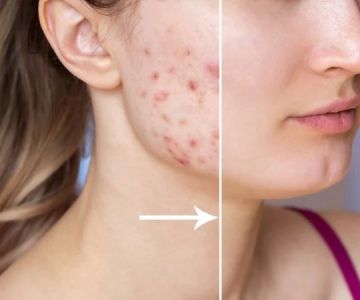
When I first started my skincare journey in my early 20s, I struggled with persistent breakouts. After consulting a dermatologist, I adopted a simple routine with a gentle cleanser, a salicylic acid treatment, and a lightweight moisturizer. Over time, my acne became more manageable, and my skin improved dramatically. The key was consistency and patience, and now I enjoy clearer, healthier skin.
6. Discover Recommended Products at SkinCare Experts
If you're looking for products that are specifically designed for acne-prone skin, check out SkinCare Experts. Our platform offers expert advice and a curated selection of skincare products that are perfect for your skin’s needs. Whether you’re looking for a cleanser, treatment, or moisturizer, we have the best recommendations to help you achieve clear, glowing skin.

 New Day Skin5.0 (2 reviews)
 Skin + Tonic Tucson5.0 (28 reviews)
 Neves Skin Studio4.0 (66 reviews)
 The Skin Files4.0 (36 reviews)
 Skin By Jacqueline5.0 (138 reviews)
 Beauty By Gerda Esthetics5.0 (91 reviews)
 How to Avoid Scars: Essential Tips for Skin Care
 Top Tips for Fine Lines in Women: How to Manage and Reduce Them
 Best Practices for Hyaluronic Acid to Improve Blackheads
 The Best Skin Care Products for Soothing and Calming Your Skin
 How to Reduce Night Creams for Acne Skin and Achieve Clearer Skin
 Best Practices For Inflamed Skin In Dry Climates