
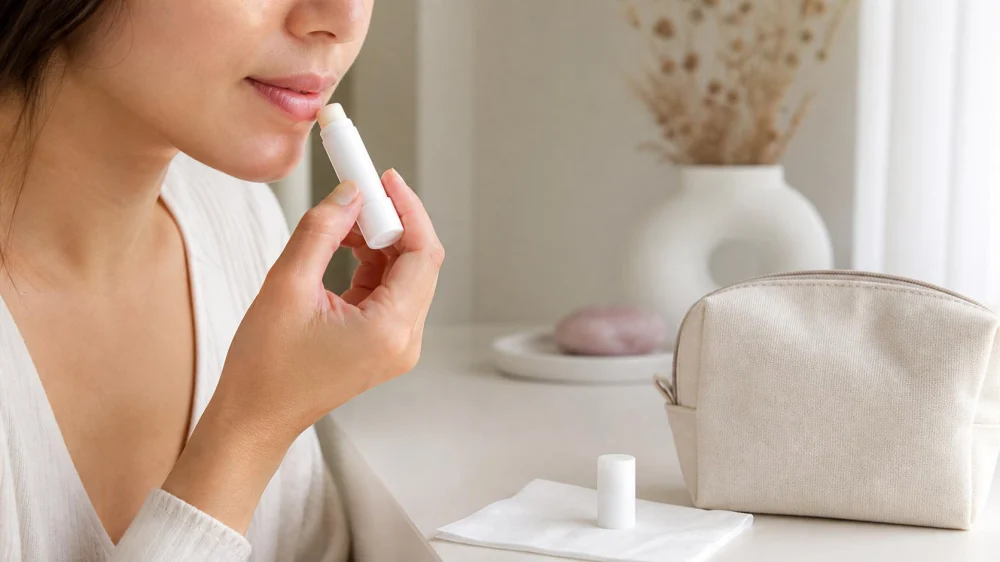
Lip Balm Hygiene: Apply, Share, Store, and Replace
On this page
Quick answer
Use lip balm with clean hands, keep the applicator away from dirty surfaces, and do not share it. Close the container promptly, store it away from heat, and check odor, texture, color, and expiration guidance. Replace the product after obvious contamination or illness when advised, and stop using it if burning, swelling, or rash develops.
Understand how lip products become contaminated
A balm touches saliva, skin, fingers, or an applicator at every use. Microbes and debris can move between lips, hands, caps, pockets, bags, and shared surfaces. Preservatives and waxes may limit some growth, but they do not make a personal product suitable for sharing or guarantee safety after water, dirt, heat, or damaged packaging enters it.
This guide is for U.S. adults using ordinary over-the-counter cosmetic lip balm. It does not replace care for persistent cracking, infection, allergic contact dermatitis, cold sores, medication reactions, or precancerous lip changes. Medicated products, sunscreen balms, products for children, and prescription treatments have additional directions that take priority.
Practical checklist
- Wash and dry hands before using a pot, and avoid dipping a finger back in after touching other surfaces.
- Apply a stick or tube directly only to your own lips; do not share with family, friends, clients, or testers.
- Keep the cap and rim clean, close the container fully, and prevent the applicator from touching counters or bag interiors.
- Store within label temperature guidance and avoid a hot car, direct sun, bathroom humidity, or freezing that changes the formula.
- Check the opening date, expiration or period-after-opening symbol, odor, color, separation, grittiness, and damaged packaging.
- Replace a product that fell into dirt, was exposed to unknown water, contains visible debris, or cannot close securely.
- Use a separate product during active contagious lip lesions and follow clinician advice about disposal and recurrence.
Step-by-step plan
- Inspect the product and cap before application, wiping only the exterior with a clean dry tissue when needed.
- Use a thin layer as directed rather than repeated heavy application that spreads beyond the lip line.
- For a pot, remove product with a clean single-use applicator or freshly washed fingertip without double-dipping after contact.
- Recap immediately and return the balm to a clean, cool personal storage pocket or container.
- Track whether dryness improves or whether burning, itching, scaling, swelling, or rash worsens with continued use.
- Stop the product and simplify the routine if irritation appears; save the ingredient list for a clinician if symptoms persist.
Note product name, shade or flavor, ingredient list, opening date, storage location, how it is applied, contamination events, illness, and symptom timing. Photos in consistent light can show changes, but avoid posting identifiable health images publicly when a private clinical record is more appropriate.
Limits and important notes
Wiping or cutting the surface cannot reliably restore a contaminated product, and alcohol or household disinfectant may be unsafe on a lip formula or packaging. Tingling is not proof of effectiveness. Repeated balm use can also mask licking, sun exposure, dehydration, irritant toothpaste, allergy, or a medical condition that needs a different response.
Seek medical or dental advice for severe or spreading swelling, pus, significant pain, fever, eye involvement, recurrent blisters, cracks that bleed repeatedly, or a lip lesion that does not heal. Use emergency services for breathing difficulty, throat tightness, faintness, or rapidly increasing face or tongue swelling.
Frequently asked questions
Can family members share one lip balm?
No. Direct contact can transfer saliva, microbes, and skin material even when no one appears ill. Each person should use a separate product.
Should I replace balm after a cold?
Follow product and clinician guidance. Replace it after obvious contamination, and ask about disposal when illness involved the lips or a contagious lesion.
Can I sanitize the top with alcohol?
Do not add alcohol or disinfectant unless the manufacturer explicitly says it is safe. It can change the formula and may irritate lips.
Why does balm make my lips feel worse?
Flavor, fragrance, sunscreen filters, preservatives, lanolin, botanicals, or other ingredients may irritate or trigger allergy. Stop and seek advice if symptoms persist.
Does melted lip balm need replacement?
If heat changed texture, separation, smell, packaging, or label-specified storage, replacing it is prudent. Do not assume resolidifying restores the original product.
Sources and evidence
Use the full product label and manufacturer guidance for storage, expiration, application, sunscreen reapplication, and warnings. The U.S. Food and Drug Administration provides cosmetic and over-the-counter product information, while a dermatologist, allergist, dentist, or clinician can assess persistent lip symptoms and ingredient reactions.
Conclusion and next steps
Treat lip balm as a personal contact product: clean hands, no sharing, protected applicator, prompt recapping, and cool storage. Watch both the formula and your lips. Replace after meaningful contamination or packaging failure, and seek professional help when symptoms are severe, recurrent, spreading, or slow to heal.

 Vivid Beauty LLC5.0 (9 reviews)
 Skin and Glam4.0 (82 reviews)
 EnhancedbyB Esthetics5.0 (5 reviews)
 Sweet Esthetics5.0 (1 reviews)
 Skin Code NYC - Manhattan5.0 (12 reviews)
 Mackay Med Spa & Aesthetics5.0 (18 reviews)
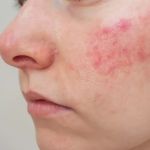 Natural Remedies for Rosacea Relief: How to Brighten Your Skin
 Natural Remedies for Wrinkles: Effective Solutions to Achieve Younger-Looking Skin
 Step-by-Step Guide to Using an Oil-Based Cleanser for Radiant Skin
 How to Take Care of Your Skin When You Have Sensitive Skin
 Best Products for Hyperpigmentation Using Natural Remedies
 Body Moisturizer After Shower: A Routine for Dry Skin