
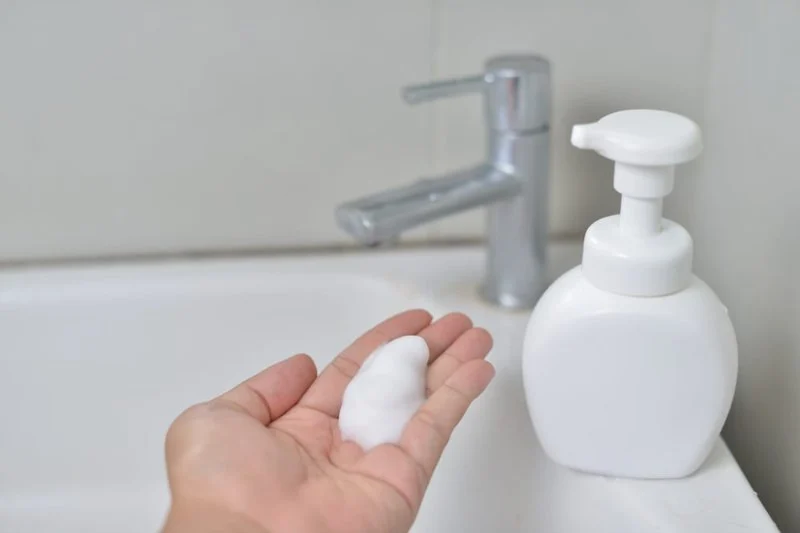
Effective Ways to Treat and Prevent Skin Allergies
- 1 - Understanding Skin Allergies
- 2 - Common Triggers of Skin Allergies
- 3 - Recognizing Symptoms Early
- 4 - Choosing Hypoallergenic Products
- 5 - Daily Skincare Routines for Sensitive Skin
- 6 - Using Medicated Creams and Lotions
- 7 - Natural Remedies and Home Treatments
- 8 - Avoiding Common Allergy Triggers
- 9 - Diet and Lifestyle Tips for Healthy Skin
- 10 - Consulting Skin Care Specialists
- 11 - Tracking Allergic Reactions
- 12 - Seasonal Considerations and Prevention
1 - Understanding Skin Allergies
Skin allergies occur when the immune system reacts to certain substances, leading to redness, itching, or rashes. Understanding the underlying causes helps you manage and prevent flare-ups effectively.
2 - Common Triggers of Skin Allergies
Common triggers include certain skincare ingredients, perfumes, detergents, metals like nickel, pollen, and pet dander. Identifying your triggers is the first step in controlling allergic reactions.
3 - Recognizing Symptoms Early
Early signs may include itching, redness, swelling, or dry patches. Prompt recognition allows you to treat the reaction quickly and prevent more severe irritation.
4 - Choosing Hypoallergenic Products
Select products labeled hypoallergenic, fragrance-free, and dermatologically tested. These reduce the risk of triggering skin allergies and provide gentle care for sensitive skin.
5 - Daily Skincare Routines for Sensitive Skin
Maintain a routine that includes gentle cleansing, moisturizing, and sun protection. Avoid harsh exfoliants and limit exposure to extreme temperatures or chemicals.
6 - Using Medicated Creams and Lotions
Topical antihistamines or corticosteroid creams may be recommended for flare-ups. Use as directed by a dermatologist or healthcare professional to soothe inflammation and itchiness.
7 - Natural Remedies and Home Treatments
Oatmeal baths, aloe vera, and chamomile compresses can relieve itching and redness. While effective for mild reactions, severe symptoms should be addressed with professional care.
8 - Avoiding Common Allergy Triggers
Read product labels carefully, use fragrance-free laundry detergents, and maintain a clean environment to minimize contact with potential allergens. Awareness and prevention are key.
9 - Diet and Lifestyle Tips for Healthy Skin
Consume foods rich in antioxidants, omega-3 fatty acids, and vitamins to support skin health. Stay hydrated and manage stress, as these factors influence skin sensitivity and allergic reactions.
10 - Consulting Skin Care Specialists
When allergies persist or worsen, consult dermatologists or allergists. They can perform patch tests, recommend suitable products, and guide you on long-term prevention strategies.
11 - Tracking Allergic Reactions
Keep a journal of products used, environmental exposures, and reactions. This helps identify patterns and informs decisions about which products to continue or avoid.
12 - Seasonal Considerations and Prevention
Allergies can be seasonal due to pollen, temperature changes, or humidity. Adjust skincare routines accordingly, including protective creams and targeted moisturizers, to prevent flare-ups year-round.





 Kristen Marie Skin5.0 (22 reviews)
 Winterport Skinworks5.0 (2 reviews)
 Roxanne Werly Advanced Esthetician5.0 (7 reviews)
 Joy Bailey Aesthetics5.0 (1 reviews)
 She Shed Skin Care5.0 (18 reviews)
 Daydream Skincare5.0 (40 reviews)
 Guide to Skin Care Treatments for Dark Spots in Men
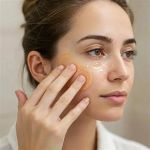 How to Detoxify Sunscreen for Wrinkle-Free Skin | SkinCare Experts
 Everything You Need to Know About Sensitive Skin for Athletes
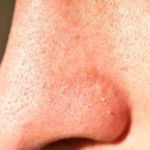 How To Heal Your Whiteheads With These 15 Tips
 The Best Skincare Routine for Healing Dry, Cracked Skin: Expert Tips and Solutions
 How To Detoxify Your Scars With These 7 Proven Tips