
- 1-Understanding-Acne
- 2-Benefits-of-Tea-Tree-Oil
- 3-Choosing-Quality-Tea-Tree-Oil
- 4-Preparing-Tea-Tree-Oil-for-Use
- 5-Application-Methods
- 6-Frequency-and-Consistency
- 7-Precautions-and-Side-Effects
- 8-Combining-with-Other-Skincare-Routines
- 9-Real-Life-Success-Stories
- 10-Additional-Tips-for-Optimal-Results
1. Understanding Acne
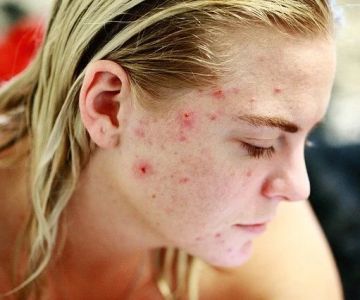
Acne is a common skin condition characterized by clogged pores, pimples, blackheads, and whiteheads. It can result from hormonal changes, bacteria, excess oil, and lifestyle factors. Understanding the type of acne you have is essential before applying any treatment.
1.1 Types of Acne
Acne can be inflammatory or non-inflammatory. Inflammatory acne includes pustules and cysts, while non-inflammatory acne refers to blackheads and whiteheads. Identifying your acne type helps determine the best approach for treatment.
1.2 Causes and Triggers
Factors such as stress, diet, hormonal fluctuations, and certain skincare products can contribute to acne flare-ups. Tracking triggers allows for a more targeted treatment plan.
2. Benefits of Tea Tree Oil
Tea tree oil is a natural essential oil known for its antibacterial, anti-inflammatory, and antiseptic properties, making it effective in treating acne without harsh chemicals.
2.1 Antibacterial Properties
Tea tree oil targets acne-causing bacteria, helping reduce infection and prevent new breakouts. It works by penetrating the skin and neutralizing bacteria in clogged pores.
2.2 Anti-inflammatory Effects
Reduces redness, swelling, and irritation associated with pimples, promoting faster healing and calmer skin.
2.3 Natural Alternative
Unlike many chemical treatments, tea tree oil offers a natural, gentle alternative suitable for sensitive skin when used correctly.
3. Choosing Quality Tea Tree Oil
Not all tea tree oils are created equal. Opt for 100% pure, therapeutic-grade tea tree oil to ensure safety and effectiveness.
3.1 Check Labels
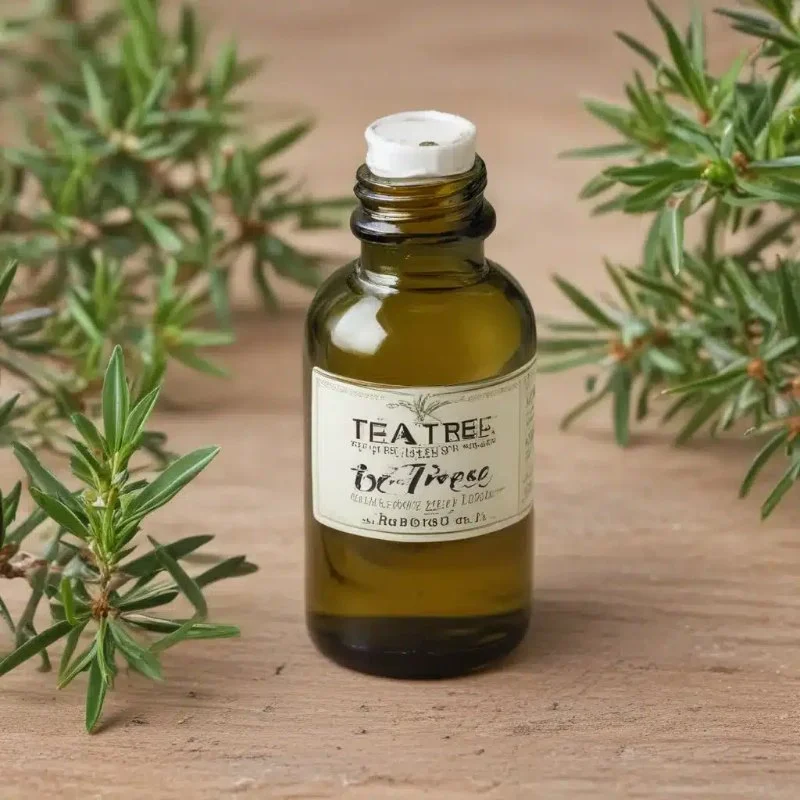
Look for products labeled as pure tea tree oil or Melaleuca alternifolia. Avoid blends with unknown ingredients or synthetic additives.
3.2 Packaging and Storage
Tea tree oil should be stored in dark glass bottles to maintain potency and protect against oxidation.
4. Preparing Tea Tree Oil for Use
Direct application of undiluted tea tree oil can irritate the skin. Proper preparation ensures safety and effectiveness.
4.1 Dilution Guidelines
Mix 1–2 drops of tea tree oil with a carrier oil such as jojoba, coconut, or almond oil. A 5% dilution is recommended for sensitive areas.
4.2 Patch Test
Always perform a patch test on a small area of skin to check for allergic reactions before full application.
5. Application Methods
Proper application is crucial for maximum benefits. Use the following methods depending on the type and location of acne.
5.1 Spot Treatment
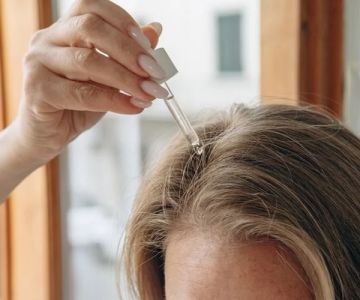
Apply diluted tea tree oil directly to individual pimples using a cotton swab. This targets bacteria and reduces inflammation locally.
5.2 Facial Cleansers
Some skincare products contain tea tree oil as an active ingredient. Using a gentle cleanser with tea tree oil can help prevent breakouts across the face.
5.3 Masks and Serums
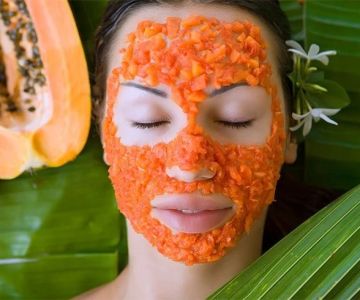
Incorporate tea tree oil into masks or serums for broader acne treatment. Mix with soothing ingredients like aloe vera to enhance skin comfort.
6. Frequency and Consistency
Regular and consistent use yields the best results. Overuse can cause dryness, while inconsistent use may reduce effectiveness.
6.1 Daily Use Guidelines
Spot treatments can be applied once or twice daily. Full-face applications should not exceed recommended concentrations to avoid irritation.
6.2 Monitoring Progress
Track improvement over weeks. Acne responds gradually, and patience is key to achieving clear, healthy skin.
7. Precautions and Side Effects
While tea tree oil is generally safe, certain precautions are necessary to avoid adverse effects.
7.1 Skin Sensitivity
Redness, itching, or rash may occur if skin is sensitive. Discontinue use if irritation persists and consult a dermatologist.
7.2 Avoid Ingestion
Tea tree oil is toxic if swallowed. Only use externally and store away from children.
8. Combining with Other Skincare Routines
Tea tree oil can complement a holistic skincare regimen, but certain combinations require care.
8.1 Moisturizers
Follow with a gentle moisturizer to prevent dryness and maintain the skin barrier.
8.2 Compatible Products
Avoid using alongside harsh chemical treatments like retinoids or benzoyl peroxide unless advised by a professional, as this may increase irritation.
9. Real-Life Success Stories
Many acne sufferers have found relief using tea tree oil. Case studies show reduced redness, fewer breakouts, and faster healing when applied correctly.
9.1 Personal Testimonies
Individuals report noticeable improvements within 4–6 weeks of consistent application, especially for mild to moderate acne.
9.2 Skincare Expert Recommendations
Dermatologists often suggest tea tree oil as an adjunct to standard acne treatments, highlighting its antibacterial and anti-inflammatory properties.
10. Additional Tips for Optimal Results
Maximize the benefits of tea tree oil by maintaining a healthy lifestyle, proper diet, and consistent skincare routine.
10.1 Lifestyle Factors
Hydration, adequate sleep, and reduced stress levels can enhance the effectiveness of acne treatments.
10.2 Expert Guidance
For personalized advice and high-quality tea tree oil products, visit SkinCare Experts to explore curated recommendations that suit your skin type and concerns.
 Julie Lynn Skin5.0 (22 reviews)
 Mario Badescu Skin Care4.0 (124 reviews)
 Tanya Skin Care0.0 (0 reviews)
 Array Skin Therapy5.0 (13 reviews)
 Blissfully Yours by bridget5.0 (2 reviews)
 Beauty Essentials, LLC.0.0 (0 reviews)
 Daily Skin Care Routine for Age Spots – Simple Steps for Healthy, Glowing Skin
 How To Soothe Blackheads Using Natural Remedies
 Best Ingredients For Your Dark Circles With These 7 Tips
 Expert Advice on Puffy Eyes in People Over 40
 How to Treat and Prevent Acne Without Harsh Chemicals
 How To Detoxify Physical Exfoliants For Large Pores Skin