
- Understanding Acne Scars and Hyperpigmentation
- Natural Ingredients for Skin Repair
- Steps to Heal Acne Scars Naturally
- Home Remedies for Hyperpigmentation
- Building a Skin Care Routine for Scar Healing
- When to Consult with a Dermatologist
Understanding Acne Scars and Hyperpigmentation
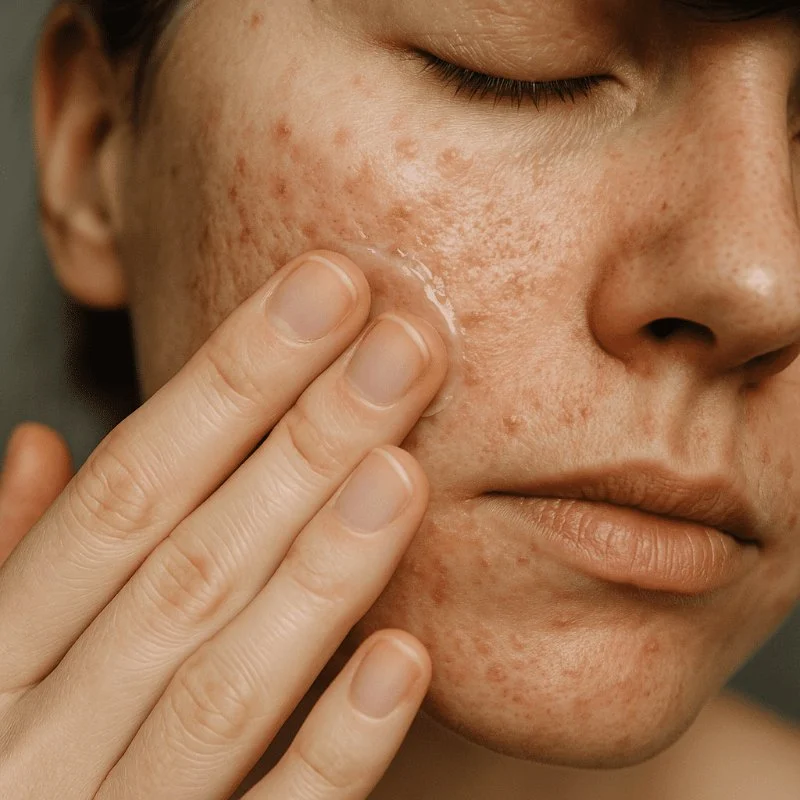
Acne scars and hyperpigmentation are common skin concerns that can persist long after acne has healed. Acne scars are the result of damage to the skin caused by inflamed pimples, which can leave behind indentations or raised areas on the skin. On the other hand, hyperpigmentation refers to dark spots or discoloration left behind after acne lesions heal. While these marks are not harmful, they can affect your appearance and self-confidence.
Both acne scars and hyperpigmentation can be treated with the right skincare approach. Natural remedies offer a gentle and cost-effective way to address these skin concerns without harsh chemicals or invasive treatments.
Natural Ingredients for Skin Repair
Several natural ingredients are known for their ability to heal and brighten the skin, making them ideal for treating acne scars and hyperpigmentation. Here are some of the best ingredients to include in your skincare routine:
1. Aloe Vera
Aloe vera is well-known for its soothing and healing properties. It can help reduce inflammation, promote cell regeneration, and lighten dark spots. Applying fresh aloe vera gel directly to the skin can help accelerate the healing of acne scars.
2. Vitamin C
Vitamin C is a powerful antioxidant that brightens the skin and helps fade dark spots. It also promotes collagen production, which can improve the appearance of scars. Look for serums or creams that contain a stable form of vitamin C for best results.
3. Honey
Honey has natural antibacterial and moisturizing properties that help the skin heal while preventing new breakouts. It also promotes skin regeneration and can reduce the appearance of scars over time.
4. Lemon Juice
Lemon juice contains citric acid, which has natural exfoliating properties. It can help lighten dark spots and promote even skin tone. However, use lemon juice with caution, as it can make the skin sensitive to sunlight.
5. Rosehip Oil
Rosehip oil is rich in essential fatty acids and antioxidants, which are beneficial for skin repair. It can help reduce the appearance of scars and improve overall skin texture.
Steps to Heal Acne Scars Naturally
Here are some essential steps to effectively treat acne scars using natural remedies:
1. Cleanse Your Skin Gently
Start with a gentle cleanser to remove dirt, oil, and makeup without stripping your skin of its natural moisture. Opt for a mild, hydrating cleanser to avoid further irritation.
2. Apply Natural Ingredients
After cleansing, apply natural ingredients such as aloe vera gel or a vitamin C serum directly to your skin. These ingredients work best when applied to clean, damp skin, as they can penetrate more effectively.
3. Use Sunscreen Daily
Sun exposure can worsen hyperpigmentation, making dark spots more noticeable. Apply a broad-spectrum sunscreen with SPF 30 or higher every day, even on cloudy days, to protect your skin and prevent further discoloration.
4. Be Consistent
Healing acne scars and hyperpigmentation takes time. Consistency is key to seeing results. Incorporate natural ingredients into your routine regularly, and give your skin time to heal—results typically appear after several weeks of consistent use.
Home Remedies for Hyperpigmentation
In addition to natural ingredients, there are several home remedies that can help reduce the appearance of hyperpigmentation:
1. Turmeric Mask
Turmeric has anti-inflammatory and skin-brightening properties that can help fade dark spots. Mix turmeric with yogurt or honey to create a mask, and apply it to the affected areas for 15–20 minutes before rinsing off.
2. Green Tea
Green tea is rich in antioxidants that help reduce inflammation and promote skin healing. Applying cooled green tea bags to your skin or using a green tea extract can help brighten hyperpigmentation over time.
3. Exfoliate Regularly
Exfoliating your skin helps remove dead skin cells, which can promote the turnover of new skin and fade hyperpigmentation. Use a gentle exfoliator containing natural ingredients like sugar or oatmeal to avoid irritation.
Building a Skin Care Routine for Scar Healing
To effectively treat acne scars and hyperpigmentation, it's essential to build a skincare routine that focuses on healing, brightening, and protecting your skin. Here’s a sample routine:
- Morning: Cleanse with a gentle cleanser, apply a vitamin C serum, followed by sunscreen.
- Evening: Cleanse again, apply aloe vera gel or rosehip oil, and use a nourishing moisturizer.
- Weekly: Exfoliate gently and apply a turmeric mask or green tea treatment once or twice a week.
When to Consult with a Dermatologist
While natural remedies can be highly effective, some individuals may need additional help. If your acne scars or hyperpigmentation are severe or not improving after using natural treatments, it's time to consult with a dermatologist. A professional can recommend treatments such as chemical peels, laser therapy, or prescription-strength creams that can accelerate healing and provide more dramatic results.
Remember, every skin type is unique, so a tailored approach to scar and pigmentation treatment is often the most effective.



 Mashk Inc5.0 (13 reviews)
 Elizabeth Padgett-Mary Kay5.0 (9 reviews)
 Skin By Sophary5.0 (12 reviews)
 Natural Beauty Facial0.0 (0 reviews)
 Lavish Skin and Body Studio5.0 (1 reviews)
 Kiwi Spa Organic Facial Innovation5.0 (374 reviews)
 How To Prevent Dark Circles And How To Manage It – Expert Skincare Advice
 Best Practices For Your Age Spots With These 12 Tips
 How to Boost Your Sensitive Skin in Humid Climates – Tips & Solutions
 How To Reduce Dull Skin With A Simple Routine | Skincare Tips for Radiance
 How to Prevent and Treat Pet Constipation with Natural Remedies
 How to Nourish Face Masks for Scarred Skin: A Complete Healing Guide