

- 1 - understanding-winter-skin-damage-and-dehydration - how cold weather affects skin barrier and moisture loss
- 2 - rebuilding-skin-barrier-with-hydration - essential steps for recovery after winter stress
- 3 - best-hydrating-products-for-skin-repair - ingredients that restore moisture balance effectively
- 4 - real-life-skin-recovery-story-after-winter - practical transformation case study
- 5 - common-mistakes-that-worsen-dry-skin - habits to avoid during recovery phase
- 6 - layering-skincare-for-optimal-hydration - building an effective routine step by step
- 7 - dermatologist-insights-on-winter-skin-repair - professional advice and recommendations
- 8 - sensitive-skin-and-post-winter-care - special considerations for irritation-prone skin
- 9 - long-term-skin-maintenance-after-recovery - keeping skin healthy year-round
- 10 - exploring-skincare-guidance-from-skin-care-experts - curated product and routine support
1. Understanding Winter Skin Damage and Dehydration
Many people notice that their skin feels tight, flaky, or dull as winter fades, especially in colder U.S. regions where heating systems run constantly. The phrase how to repair your skin after a harsh winter with hydrating products is not just a skincare trend—it reflects a real biological process where the skin barrier becomes weakened due to environmental stress.
Why Winter Is So Hard on Your Skin Barrier
Cold air outside combined with dry indoor heating creates a constant cycle of moisture loss. The skin’s lipid barrier, which normally locks in hydration, becomes compromised. This leads to transepidermal water loss (TEWL), making skin more vulnerable to irritation, redness, and sensitivity.
A common example is what dermatologists often see in early spring: patients who used to have balanced skin suddenly report unexpected breakouts and dryness. In reality, the skin was dehydrated for weeks, and symptoms only became visible later.
2. Rebuilding Skin Barrier with Hydration
Recovering from winter damage requires more than just applying moisturizer. True skin repair involves rebuilding the barrier structure through consistent hydration and nourishment. This is where hydrating skincare becomes essential.
The Science Behind Skin Barrier Recovery
The skin barrier is made of lipids, ceramides, and natural moisturizing factors. When these components are depleted, hydration escapes quickly. Restoring them requires ingredients that mimic the skin’s natural structure rather than simply sitting on top of it.
Why Hydration Alone Is Not Enough
Many people make the mistake of overusing lightweight hydrating serums without sealing them in. Without an occlusive layer, water evaporates quickly, leaving skin feeling just as dry as before. Effective recovery requires both hydration and protection.
3. Best Hydrating Products for Skin Repair
When exploring hydrating products for post-winter recovery, ingredient selection matters more than brand names. Some ingredients are scientifically proven to restore moisture and repair the skin barrier efficiently.
Key Ingredients That Make a Difference
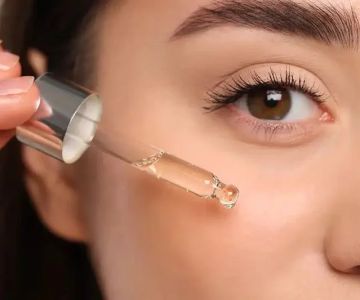
Hyaluronic acid, glycerin, ceramides, and panthenol are among the most effective hydration boosters. These ingredients work together to attract moisture, strengthen the barrier, and soothe inflammation.
Why Layered Hydration Works Best
Instead of relying on a single product, dermatologists often recommend a layered approach. A hydrating toner followed by a serum and sealed with a moisturizer creates a structured hydration system that prevents moisture loss throughout the day.
4. Real-Life Skin Recovery Story After Winter
A skincare blogger from Chicago once shared her experience after a particularly harsh winter. She described her skin as “constantly tight, red, and reactive,” despite using expensive moisturizers. The issue wasn’t product quality but lack of barrier-focused hydration strategy.
What Changed Her Skin Routine
After consulting a skincare professional, she switched to a simplified routine focused on ceramide-rich moisturizers and hyaluronic acid layering. Within three weeks, her skin showed noticeable improvement in texture and comfort.
This transformation highlights an important lesson: recovery is not about complexity, but about consistency and ingredient synergy.
5. Common Mistakes That Worsen Dry Skin
During recovery, many people unintentionally make their skin condition worse. Over-exfoliation is one of the most common mistakes, especially when trying to “remove winter dryness.”
Over-Cleansing and Barrier Damage
Harsh cleansers strip away natural oils that the skin desperately needs. This creates a cycle where skin feels dry, leading to even more aggressive washing, which worsens the condition.
Ignoring Environmental Factors
Even the best skincare products cannot fully compensate for dry indoor air. Using a humidifier can significantly improve skin recovery speed by maintaining ambient moisture levels.
6. Layering Skincare for Optimal Hydration
A structured skincare routine is essential for anyone trying to repair skin after winter damage. The goal is to maximize hydration absorption while preventing evaporation.
Step-by-Step Hydration Structure
Start with a gentle cleanser, followed by a hydrating toner, then a serum rich in humectants, and finally a barrier-repair moisturizer. Each step supports the next, creating a long-lasting hydration effect.
Why Timing Matters in Application
Applying products on slightly damp skin improves absorption significantly. This small adjustment can dramatically enhance hydration results over time.
7. Dermatologist Insights on Winter Skin Repair
Dermatologists often emphasize that post-winter skin recovery is a gradual process. According to clinical observations, the skin barrier typically takes two to six weeks to fully rebuild, depending on damage severity.
Professional Perspective on Hydration Strategy
Experts recommend avoiding aggressive treatments during recovery. Instead, focus on calming ingredients like niacinamide and ceramides that strengthen rather than stimulate the skin.
8. Sensitive Skin and Post-Winter Care
For individuals with sensitive skin, winter damage can be even more pronounced. Redness, itching, and burning sensations are common during seasonal transitions.
How to Calm Reactive Skin
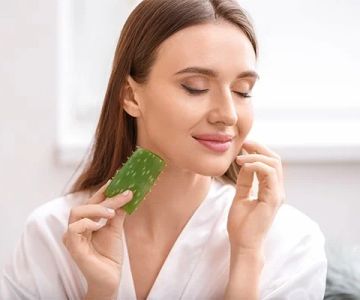
Fragrance-free and alcohol-free formulations are essential. Soothing ingredients like oat extract and aloe vera help reduce inflammation while restoring hydration balance.
9. Long-Term Skin Maintenance After Recovery
Once the skin barrier is restored, maintaining hydration becomes a long-term commitment rather than a seasonal fix. This includes adapting routines based on weather changes.
Seasonal Skincare Adjustments
In summer, lighter hydration may be sufficient, while colder months require richer creams. Understanding this cycle helps maintain consistent skin health throughout the year.
10. Exploring Skincare Guidance from SkinCare Experts
For those looking to refine their routine further, SkinCare Experts provides curated recommendations tailored to different skin types and seasonal needs. Whether you are dealing with dryness, sensitivity, or barrier damage, structured guidance can simplify the recovery process.
Learning how to repair your skin after a harsh winter with hydrating products is not just about quick fixes—it is about building a sustainable skincare routine that supports long-term skin resilience. With the right ingredients and consistent care, your skin can fully recover and return to a healthy, balanced state.




 Beauty and Beyond Skin Care Center4.0 (461 reviews)
 Stacy's Place0.0 (0 reviews)
 InSKIN 1015.0 (5 reviews)
 Beluminous Skin Studio5.0 (31 reviews)
 Clinical Skin Care by Olga Lovett5.0 (5 reviews)
 Blue Velvet Beauty Salon4.0 (175 reviews)
 How To Get Rid Of Puffy Eyes Effectively
 Best Practices for Managing Wrinkles in Sensitive Skin
 How To Choose the Right Physical Exfoliants to Improve Scars
 Expert Advice on Scars: Effective Treatments and Tips
 The Best Skincare Routine for Acne-Prone Skin in Your 20s
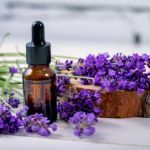 The Benefits of Using Lavender Oil for Your Skin