
- Understanding Milia - What Causes These Tiny Skin Bumps
- Professional Removal Methods - When to Seek Expert Help
- At-Home Treatment Strategies - Safely Reduce Milia
- Preventive Skincare Routine - Keeping Milia Away Long-Term
- Exfoliation and Product Recommendations - Building Effective Habits
- Lifestyle and Dietary Considerations - Supporting Skin Health
- Real-World Experiences - Stories and Case Studies
- Long-Term Benefits - Maintaining Smooth, Clear Skin
Understanding Milia
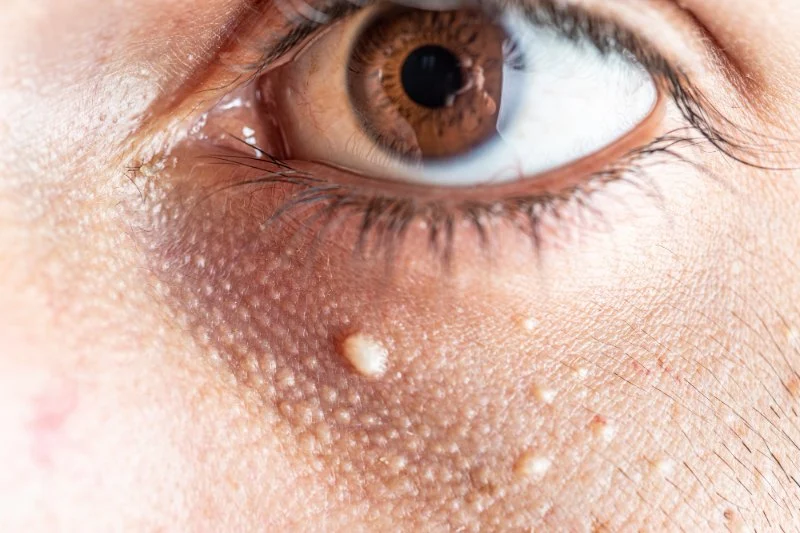
Milia are small, white, keratin-filled cysts that typically appear on the face, particularly around the eyes, cheeks, and nose. Though harmless, they can be cosmetically frustrating and may prompt individuals to seek quick removal solutions. Milia occurs when dead skin cells become trapped beneath the skin’s surface, forming tiny bumps.
1. Why Milia Develops
Factors contributing to milia formation include:
1. Use of heavy or occlusive skincare products that block pores.
2. Sun damage and thickened skin layers.
3. Skin trauma or irritation, such as harsh scrubbing or chemical burns.
4. Genetics, which can make some people more prone to milia than others.
2. Common Misconceptions
Many believe milia are a type of acne, but they do not form from bacterial infection or inflammation. Understanding this distinction is crucial for choosing the right removal and prevention strategies.
Professional Removal Methods
While at-home remedies can help manage and prevent milia, certain stubborn cysts may require professional treatment. Dermatologists or licensed aestheticians can safely extract milia using sterile tools.
1. Extraction Techniques
Professional extraction typically involves creating a tiny incision and gently removing the keratin plug. This process minimizes the risk of scarring or infection.
2. Laser or Chemical Procedures
For persistent or widespread milia, dermatologists may recommend laser therapy or chemical treatments to gently resurface the skin.
3. When to Seek Expert Help
If milia persists for several months, spreads extensively, or causes discomfort, consulting a professional ensures safe removal and reduces long-term skin damage.
At-Home Treatment Strategies
There are several safe at-home approaches to reduce milia formation, particularly for those who want to complement professional care or prevent future occurrences.
1. Gentle Cleansing
Daily cleansing with a mild, non-comedogenic cleanser helps remove dirt, oil, and dead skin cells without irritating the skin barrier. Overly harsh cleansers can worsen milia by causing micro-damage.
2. Warm Compresses
Applying a warm compress can soften the skin, promoting natural drainage of small cysts over time. This should be done carefully to avoid burns or irritation.
3. Avoid Picking or Squeezing
Attempting to manually remove milia at home can increase infection risk and lead to scarring. Patience and proper technique are critical.
Preventive Skincare Routine
Prevention is key to long-term control of milia. Establishing a consistent skincare routine helps keep pores clear and reduces cyst formation.
1. Exfoliation
Regular exfoliation helps remove dead skin cells that may clog pores. Both chemical exfoliants (like gentle AHAs or BHAs) and physical exfoliation (using soft tools) can be effective when used appropriately.
2. Lightweight Moisturizers
Opt for non-comedogenic moisturizers that hydrate without clogging pores. Lightweight oils, such as squalane or jojoba, are ideal for most skin types.
3. Sun Protection
UV damage can thicken skin, increasing the likelihood of trapped keratin. Daily sunscreen use prevents this and supports overall skin health.
Exfoliation and Product Recommendations
Incorporating effective products can make a significant difference in milia prevention and skin texture improvement.
1. Chemical Exfoliants
Products containing glycolic acid, lactic acid, or salicylic acid help gently dissolve dead skin cells and unclog pores. Consistent use (1-3 times per week depending on skin sensitivity) is recommended.
2. Retinoids
Topical retinoids can promote cell turnover, reduce keratin buildup, and prevent new milia formation. Start with lower concentrations to minimize irritation.
3. Non-Comedogenic Oils and Serums
Lightweight oils or serums provide hydration without blocking pores. Ingredients like squalane, rosehip, and argan oil are particularly effective.
4. Professional-Grade Products
For persistent milia, SkinCare Experts offers carefully curated options that combine gentle exfoliation, hydration, and protective ingredients tailored for different skin types.
Lifestyle and Dietary Considerations
Healthy skin habits outside of topical care can complement treatment and prevention strategies.
1. Adequate Hydration
Water intake supports skin elasticity and helps maintain natural barrier function.
2. Balanced Diet
Diets rich in antioxidants, vitamins, and healthy fats promote healthy skin turnover and reduce inflammation.
3. Avoiding Harsh Skincare Practices
Excessive scrubbing, frequent chemical peels, or high-alcohol toners can exacerbate milia formation.
Real-World Experiences
Many users share that integrating a consistent cleansing, exfoliation, and hydration routine significantly reduces milia over time. For example, a skincare enthusiast in New York reported that after six weeks of gentle chemical exfoliation combined with lightweight moisturizers, small cysts gradually disappeared and the skin felt smoother and clearer.
Similarly, another individual found that adding a daily retinoid treatment under professional guidance not only resolved existing milia but also prevented new bumps from forming, demonstrating the power of combining expert advice with proper home care.
Long-Term Benefits
Learning how to get rid of milia and prevent future breakouts provides more than temporary aesthetic improvements. Long-term benefits include:
1. Smoother and healthier skin texture
2. Reduced risk of scarring or post-inflammatory hyperpigmentation
3. Improved effectiveness of other skincare products due to clear, healthy pores
4. Increased confidence and comfort in daily appearance
For individuals seeking tailored product recommendations, routine guidance, or professional advice on milia removal and prevention, SkinCare Experts is a trusted resource that helps users achieve lasting results while supporting healthy, smooth, and radiant skin.



 Sima K Skin Care5.0 (1 reviews)
 Facialsbylina0.0 (0 reviews)
 The Institute | Skin Clinic5.0 (139 reviews)
 VM Cosmetic Surgery5.0 (7 reviews)
 Elated Esthetics5.0 (13 reviews)
 Omega Medical4.0 (58 reviews)
 Expert Advice on Dark Circles Effectively: Proven Solutions for Brighter Eyes
 How to Protect Your Skin from Blue Light Exposure with Simple Tips
 How to Reduce Night Creams for Acne Skin and Achieve Clearer Skin
 How to Get Rid of Excess Oil with Mattifying Skin Care Products
 The Benefits of Using Hyaluronic Acid for Deep Skin Hydration
 Best Ingredients For Large Pores And How To Manage It