
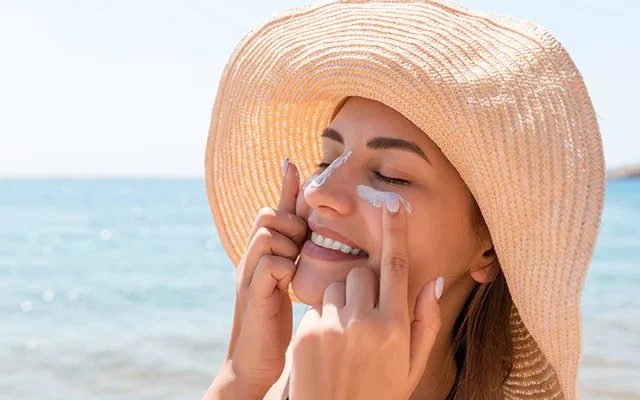
Understanding Sunscreen Ingredients
Sunscreen is a vital part of any skincare routine, especially for those who spend time outdoors. Understanding what’s in your sunscreen can help you make the best choice for your skin. Sunscreens typically contain two types of active ingredients: physical blockers (like zinc oxide or titanium dioxide) and chemical blockers (such as avobenzone, octinoxate, and oxybenzone). Physical sunscreens work by reflecting UV rays off the skin, while chemical sunscreens absorb UV rays to prevent skin damage.
Identifying Your Skin Type
Your skin type plays a significant role in selecting the right sunscreen. Here’s how to identify your skin type:
- Oily Skin: If your face tends to look shiny throughout the day, you likely have oily skin. Opt for a gel-based or water-based sunscreen that is non-comedogenic to prevent clogged pores.
- Dry Skin: If your skin feels tight or flaky, go for a moisturizing sunscreen with hydrating ingredients like glycerin or hyaluronic acid.
- Sensitive Skin: If your skin reacts easily to products, look for sunscreens that are fragrance-free and formulated for sensitive skin, with mineral-based ingredients like zinc oxide.
- Combination Skin: For those with both oily and dry areas, a broad-spectrum sunscreen with a lightweight, matte finish works best.
How to Choose the Right Sunscreen
Choosing the right sunscreen involves considering both the SPF level and the formulation:
- SPF Rating: The Sun Protection Factor (SPF) indicates how well the sunscreen protects against UVB rays, which cause sunburn. For daily use, SPF 30 is adequate, but for extended outdoor activities, opt for SPF 50 or higher.
- Broad-Spectrum Protection: Ensure your sunscreen offers protection against both UVA and UVB rays. UVA rays contribute to skin aging and cancer, while UVB rays cause sunburn.
- Water-Resistance: If you’re swimming or sweating, choose a water-resistant sunscreen. Keep in mind that water-resistant doesn’t mean waterproof, so reapply after swimming or sweating.
- Consistency: Sunscreens come in lotions, sprays, and sticks. Choose the one that best suits your preference. For example, spray sunscreens are convenient for applying on the go, while lotions may offer better coverage for sensitive areas like the face.
Additional Tips for Sun Protection
While sunscreen is essential, it’s just one part of your sun protection routine. Here are some extra tips:
- Avoid Peak Sun Hours: Try to stay indoors or in the shade between 10 AM and 4 PM, when the sun’s rays are the strongest.
- Wear Protective Clothing: In addition to sunscreen, wear wide-brimmed hats, sunglasses, and UV-protective clothing to shield your skin.
- Reapply Regularly: Reapply sunscreen every two hours, or more often if you’re swimming or sweating, to maintain optimal protection.
Choosing the best sunscreen is about understanding your skin’s needs and finding a product that suits those needs. For more guidance on sunscreen options and skincare products, check out SkinCare Experts to find the best sunscreen for your skin type and needs.


 Midwest Medical Specialists PA4.0 (110 reviews)
 Exotica Skin Care4.0 (478 reviews)
 Art Of Injections4.0 (17 reviews)
 Naamah International Corporation0.0 (0 reviews)
 Asta Skin & Body Care5.0 (11 reviews)
 RN Skin & Wellness5.0 (6 reviews)
 Everything You Need To Know About Scars Using Natural Remedies
 Common Mistakes in Using Chemical Exfoliants to Improve Redness
 The Ultimate Guide to Skin Care Treatments for Blackheads
 Effective Ways To Improve Whiteheads: What You Need To Know
 How to Achieve Your Dark Circles with These 7 Tips
 How to Treat Acne and Manage It: Effective Tips for Clear Skin