
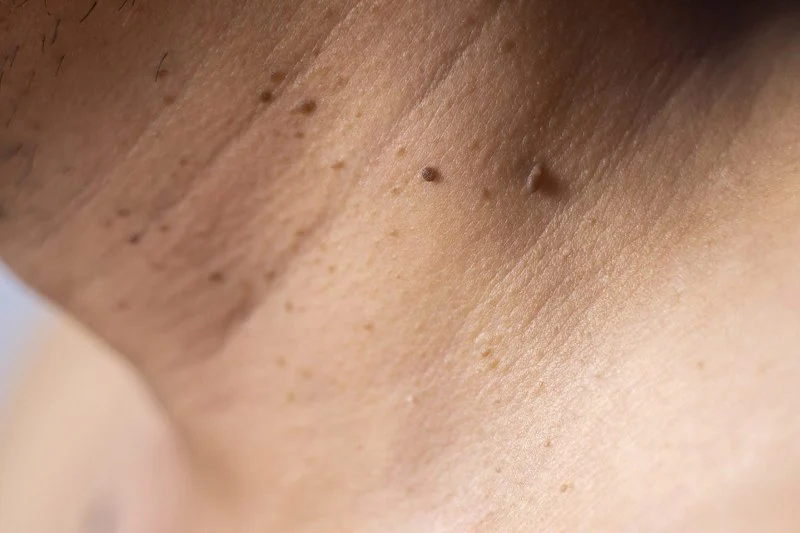
How to Get Rid of Skin Tags: Treatment and Prevention Tips
- 1. Understanding Skin Tags
- 2. Common Causes of Skin Tags
- 3. Treatment Options for Skin Tags
- 4. Home Remedies for Skin Tags
- 5. Prevention Tips for Skin Tags
1. Understanding Skin Tags
Skin tags are small, soft, and benign growths of skin that typically appear in areas where skin rubs against skin or clothing. They are most commonly found on the neck, armpits, eyelids, and groin area. Although skin tags are harmless and do not cause any pain, they can be bothersome due to their appearance or location. Fortunately, there are several ways to remove them, whether you opt for professional treatments or try natural remedies at home.
2. Common Causes of Skin Tags
While the exact cause of skin tags is not always clear, several factors are believed to contribute to their formation:
- Friction: Skin tags often appear in areas where skin rubs against skin or clothing, such as the neck, armpits, and under the breasts.
- Hormonal Changes: Hormonal changes during pregnancy or due to obesity can increase the likelihood of developing skin tags.
- Genetics: Some people may be genetically predisposed to develop skin tags, as they often run in families.
- Aging: As we age, our skin becomes more prone to developing growths like skin tags.
Understanding these causes can help you identify potential risk factors and take steps to minimize the chances of skin tag development.
3. Treatment Options for Skin Tags
If you want to get rid of skin tags, there are several treatment options available. Depending on the size, location, and number of skin tags, you may choose a medical procedure or a home remedy. Here are some common treatment options:
- Freezing (Cryotherapy): Cryotherapy involves freezing the skin tag with liquid nitrogen, causing it to fall off over time. This is a quick and effective method for small to medium-sized tags.
- Excision: A healthcare professional can cut off the skin tag with a sterile surgical blade. This method is typically used for larger or stubborn tags.
- Electrosurgery: This procedure uses a high-frequency electrical current to remove the skin tag. It is often used for larger or more complicated skin tags.
These medical treatments are typically safe when performed by a professional and result in minimal scarring. If you prefer to remove the skin tag at home, there are natural remedies you can try, but always consult with a healthcare provider if you're unsure.
4. Home Remedies for Skin Tags
For those who prefer a more natural approach, several home remedies may help remove skin tags. While these methods may not be as quick or effective as medical treatments, they can be a viable option for small, non-painful tags:
- Tea Tree Oil: Tea tree oil has antimicrobial properties that may help dry out and shrink skin tags. Apply a small amount to the tag using a cotton ball twice a day until it falls off.
- Apple Cider Vinegar: Soak a cotton ball in apple cider vinegar and apply it to the skin tag for 10-15 minutes. The acidity may help break down the tissue and cause the skin tag to fall off.
- Dental Floss or Thread: Some people tie dental floss or a piece of thread tightly around the base of the skin tag to cut off its blood supply. After a few days, the skin tag may dry up and fall off.
These remedies should be used with caution. Always ensure you’re not irritating the skin or causing any harm. If the skin tag becomes painful or shows signs of infection, seek medical advice.
5. Prevention Tips for Skin Tags
While it may not always be possible to prevent skin tags entirely, there are several lifestyle changes you can make to reduce your risk:
- Maintain a Healthy Weight: Excess weight, particularly around the neck and armpits, can lead to skin folds where skin tags are more likely to develop. Maintaining a healthy weight can reduce this risk.
- Practice Good Skin Hygiene: Gently clean areas where skin rubs together to avoid irritation and friction that may contribute to skin tag formation.
- Protect Your Skin from Friction: Wear loose-fitting clothes to reduce friction on areas like the neck, armpits, and groin, which are common places for skin tags to develop.
By following these preventive measures, you can reduce the likelihood of developing skin tags and maintain healthier, smoother skin.





 Honey Bee Studio llc0.0 (0 reviews)
 SkinTrifecta0.0 (0 reviews)
 Mochi Aesthetics Clinic: Botox, PRF EzGel, Microneedling, Hydrafacial, CoolPeel5.0 (14 reviews)
 Thomas Dermatology4.0 (1840 reviews)
 Resurgence Skin Care Center5.0 (27 reviews)
 Glo Up By Kara5.0 (101 reviews)
 Why You Should Always Remove Your Makeup Before Going to Bed
 How To Heal Your Whiteheads With These 15 Tips
 Effective Skin Care Tips for Moisturizer to Improve Dark Spots
 Skin Care Tips For Facial Oils To Improve Large Pores
 How to Prevent Skin Breakouts During Your Menstrual Cycle
 How to Repair Skin Damage from Pollution with Skin Care Products