
- 1. Understanding Skin Burns
- 2. How to Treat Minor Skin Burns
- 3. How to Treat Severe Skin Burns
- 4. Natural Remedies for Treating Skin Burns
- 5. When to Seek Medical Help for Burns
- 6. Real-Life Case Study: Treating Skin Burns with Skin Care Techniques
1. Understanding Skin Burns
Skin burns are common injuries that can occur from a variety of sources, such as fire, hot surfaces, chemicals, or even the sun. Burns can range from mild, first-degree burns to more severe, third-degree burns. Knowing how to properly treat burns is essential for promoting healing, minimizing pain, and preventing further damage.
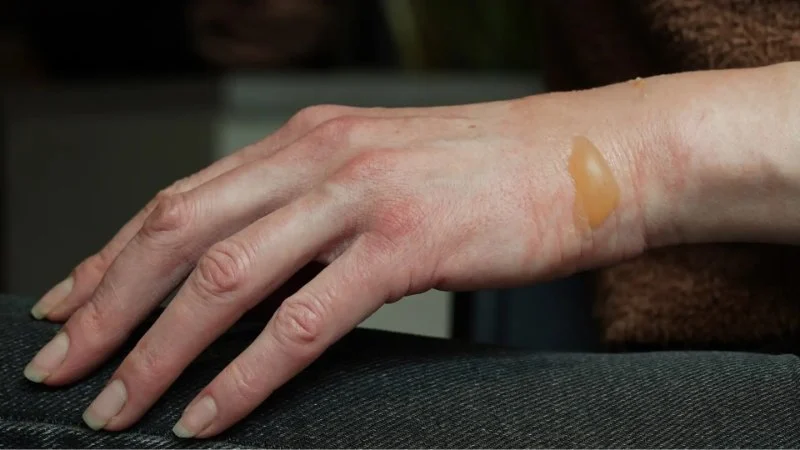
The first step in treating burns is understanding the severity of the burn. First-degree burns affect only the outer layer of skin and are often accompanied by redness and mild pain. Second-degree burns affect both the outer and underlying layers of skin and can cause blistering. Third-degree burns are the most severe, affecting all layers of the skin, and can cause permanent damage or scarring.
2. How to Treat Minor Skin Burns
Minor burns, such as first-degree burns, are relatively easy to treat at home with a few simple skin care techniques. Here are some effective methods for treating minor skin burns:
2.1 Cool the Burn
The first thing you should do when you get a minor burn is to cool the affected area. Hold the burned skin under cool (not cold) running water for 10-15 minutes, or apply a cold, wet compress. This will help to reduce the heat, alleviate pain, and prevent further damage to the skin.
2.2 Apply Aloe Vera or Hydrocortisone Cream
Aloe vera is widely known for its soothing and healing properties. Applying fresh aloe vera gel or an over-the-counter aloe-based product can help moisturize the skin and reduce inflammation. For additional relief, you can apply hydrocortisone cream to reduce redness and swelling. However, avoid using butter, toothpaste, or other home remedies that may worsen the burn.
2.3 Keep the Burn Covered
After treating the burn, keep the area clean and covered with a sterile bandage or gauze. This will help protect the skin from infection and prevent irritation. Be sure to change the dressing daily and apply a fresh layer of aloe or moisturizing cream.
3. How to Treat Severe Skin Burns
Severe burns, such as second- and third-degree burns, require immediate medical attention. These types of burns can cause extensive skin damage and may result in scarring. Here’s how to treat severe burns until medical help arrives:
3.1 Call for Medical Assistance
For second- and third-degree burns, immediately seek medical help. Call 911 or go to the nearest emergency room. These burns can cause long-term damage, and prompt treatment is necessary to minimize complications.
3.2 Protect the Burn Area
While waiting for medical help, try to cover the burned area with a clean cloth or sterile dressing. Avoid applying any creams, ointments, or ice to the burn, as these can make the injury worse.
3.3 Prevent Shock
Severe burns can lead to shock, which can be life-threatening. Keep the person calm, lay them down, and elevate their feet slightly if possible. This can help improve blood flow and prevent shock from worsening.
4. Natural Remedies for Treating Skin Burns
In addition to conventional treatments, there are several natural remedies that may help alleviate burn pain and speed up the healing process. These remedies are most effective for minor burns and should be used alongside proper medical care when necessary.
4.1 Honey
Honey has natural antibacterial and anti-inflammatory properties that can help treat burns. Apply a thin layer of honey to the affected area to soothe the burn, reduce swelling, and promote healing. Honey also helps to prevent infection, which is crucial for burn recovery.
4.2 Coconut Oil
Coconut oil is another popular natural remedy for treating burns. It contains fatty acids that moisturize the skin and may promote faster healing. Gently apply a small amount of coconut oil to the burn after it has cooled and dried.
4.3 Lavender Oil
Lavender oil is known for its calming and healing properties. Diluted lavender oil may help reduce pain and promote tissue regeneration when applied to minor burns. Be sure to mix it with a carrier oil (such as coconut oil) to avoid irritation.
5. When to Seek Medical Help for Burns
While many minor burns can be treated at home, there are situations where medical help is required. Seek professional care if:
- The burn is larger than 3 inches in diameter or covers the face, hands, feet, or genitals.
- The burn causes severe blisters or looks charred or white.
- The person experiencing the burn shows signs of shock, such as confusion, shallow breathing, or a rapid pulse.
- The burn was caused by chemicals, electricity, or a third-degree burn.
6. Real-Life Case Study: Treating Skin Burns with Skin Care Techniques
Sarah, a close friend of mine, experienced a minor sunburn after spending a day at the beach. She applied the usual aloe vera gel, but after a few hours, her skin still felt sore and inflamed. I recommended she try applying a bit of honey to her burn. Within a day, the redness was significantly reduced, and her skin felt less tight. Over the next few days, she continued to use the honey and coconut oil combination, and her burn healed without peeling or scarring.
This case reinforces the value of using natural remedies, like honey and aloe vera, in combination with good skin care techniques for treating minor burns. Sarah’s experience shows that with the right approach, skin burns can heal quickly and effectively at home.
If you're looking for additional skincare tips or products to help with burn recovery, check out SkinCare Experts for the best skincare solutions tailored to your needs.




 Premier Dermatology & Cosmetic Surgery4.0 (559 reviews)
 MariBel Aesthetics4.0 (78 reviews)
 Skin Zone Rx4.0 (20 reviews)
 Dermatology Associates5.0 (767 reviews)
 Advanced Dermatology and Cosmetic Surgery - Boynton Beach4.0 (125 reviews)
 WaxCetera5.0 (17 reviews)
 How to Effectively Detoxify Large Pores – Tips & Expert Advice
 Skin Care Tips for Moisturizer to Improve Dark Spots
 Daily Skin Care Routine for Age Spots in People with Sensitive Skin
 Skin Care Tips For Facial Oils To Improve Large Pores
 Top Tips for Fine Lines in Women: How to Manage and Reduce Them
 The Best Products for Treating Dark Circles and Under-Eye Bags