
- 1 - Understanding Skin Scarring
- 2 - Types of Skin Scars
- 3 - Factors Affecting Scar Formation
- 4 - Proper Skin Care Treatments
- 5 - Topical Treatments and Creams
- 6 - Advanced Clinical Options
- 7 - Lifestyle and Preventive Measures
- 8 - Case Studies and Real-Life Experiences
- 9 - Choosing the Right Products
- 10 - Long-Term Scar Care Strategies
1 - Understanding Skin Scarring
1.1 What Scars Are
Scars form when the skin undergoes trauma or injury and the healing process involves collagen deposition. Understanding the biological process behind scarring helps in selecting appropriate skin care treatments for both healing and prevention.
1.2 Importance of Early Intervention
Addressing wounds early with proper care can minimize the severity of scars. Maintaining clean, hydrated skin and avoiding picking or excessive manipulation is critical in preventing permanent marks.
2 - Types of Skin Scars
2.1 Hypertrophic and Keloid Scars
Hypertrophic scars are raised but remain within the boundaries of the original wound. Keloid scars extend beyond the original injury and can be more challenging to treat.
2.2 Atrophic Scars
These are depressed scars often resulting from acne or chickenpox. Treating atrophic scars requires approaches that stimulate collagen production and improve skin texture.
3 - Factors Affecting Scar Formation
3.1 Genetic Predisposition
Some individuals are more prone to scarring due to genetic factors, which influence collagen production and wound healing patterns.
3.2 Injury Type and Location
Deep cuts, burns, or repeated friction areas are more likely to result in prominent scars. Skin tension and the body area play a significant role in the appearance of scars.
4 - Proper Skin Care Treatments
4.1 Gentle Cleansing
Use mild, non-irritating cleansers to keep the affected area clean without disrupting healing tissue. Avoid harsh soaps or scrubbing wounds.
4.2 Hydration and Moisturization
Keeping the skin hydrated encourages flexible, healthy tissue that is less prone to raised scars. Creams with ingredients such as glycerin, hyaluronic acid, or ceramides provide optimal moisture.
4.3 Sun Protection
Exposing healing skin to UV rays can darken scars. Consistently applying sunscreen protects the area and promotes uniform skin tone.
5 - Topical Treatments and Creams
5.1 Silicone-Based Products
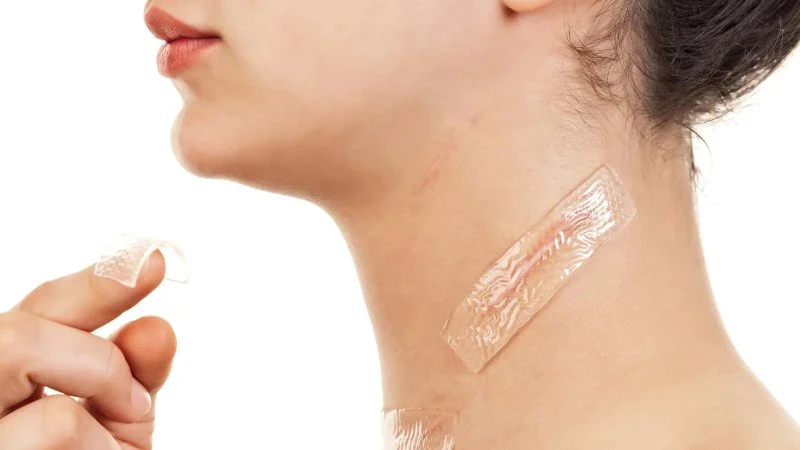
Silicone sheets or gels are widely recommended to flatten and soften scars. Regular application over weeks improves appearance significantly.
5.2 Scar-Reducing Ointments
Ointments containing onion extract, vitamin E, or peptides can reduce inflammation and improve scar elasticity, helping the skin heal more evenly.
6 - Advanced Clinical Options
6.1 Laser Therapy
Laser treatments help remodel scar tissue, reduce redness, and stimulate collagen production for smoother skin texture.
6.2 Microneedling and Chemical Peels
Microneedling induces controlled skin injury to encourage collagen formation, while chemical peels improve surface texture and tone of scarred skin.
7 - Lifestyle and Preventive Measures
7.1 Avoiding Trauma
Minimize friction, pressure, or further injury to healing areas. Protective clothing or bandages help prevent worsening scars.
7.2 Nutrition and Hydration
Collagen-rich foods, antioxidants, and proper hydration support skin healing from the inside out, reducing the risk of severe scarring.
8 - Case Studies and Real-Life Experiences
8.1 Success Stories
Patients with post-acne scars reported significant improvement using a combination of silicone gels, topical peptides, and gentle skincare routines recommended by SkinCare Experts.
8.2 Lessons Learned
Consistent care, early treatment, and professional guidance dramatically improve scar outcomes. Neglecting the wound phase often results in more prominent, long-lasting scars.
9 - Choosing the Right Products
9.1 Ingredients to Prioritize
Silicones, peptides, antioxidants, hyaluronic acid, and ceramides are essential for scar care. Avoid harsh chemicals that can irritate or delay healing.
9.2 Recommendations from SkinCare Experts
SkinCare Experts provides curated product selections to accelerate scar healing while maintaining healthy skin barrier function, ensuring optimal results for long-term skin care.
10 - Long-Term Scar Care Strategies
10.1 Continuous Monitoring
Regularly observe scar development and adjust treatment protocols accordingly. Monitoring ensures the most effective interventions are applied promptly.
10.2 Maintenance and Protection
Even after scars appear improved, continued hydration, sun protection, and occasional treatments maintain skin integrity and prevent recurrence or worsening.



 WEST & GOLDN AESTHETICS5.0 (51 reviews)
 Laser Clinic4.0 (5 reviews)
 SKINOLOGY SKINCARE, LLC5.0 (1 reviews)
 Iconic Skin Clinic- Downey5.0 (32 reviews)
 Skin Solutions Dermatology & Aesthetics - Columbus Indiana4.0 (185 reviews)
 Beautiful You Weight and Skin Solutions4.0 (171 reviews)
 Effective Ways to Improve Your Dry Skin with These 12 Tips
 Effective Skincare Treatments for Mature Skin: Expert Guide
 Best Products for Scars in Men: Ingredients, Recommendations & Real Results
 How to Treat and Prevent Skin Rashes with Gentle Skin Care Products
 Natural Remedies For Scars: What You Need To Know
 Ultimate Guide to Eczema Treatment Using Natural Remedies