
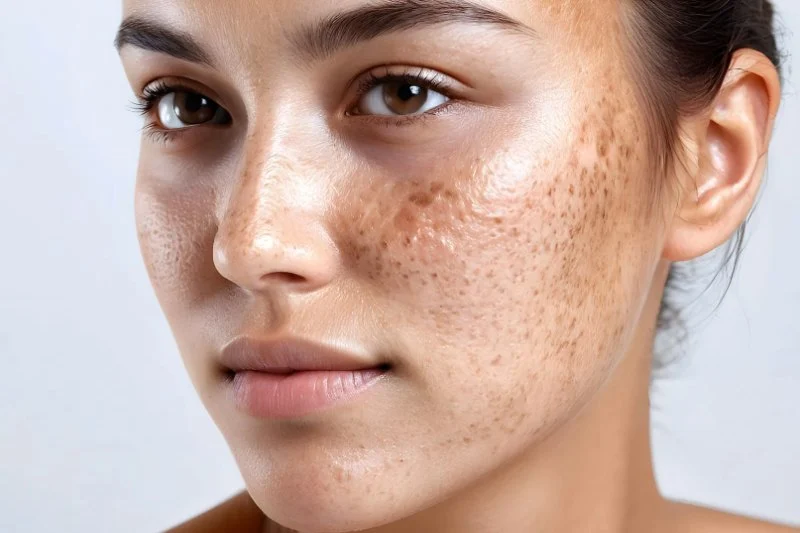
How to Achieve Glowing Skin by Targeting Hyperpigmentation
Achieving glowing, radiant skin often requires targeting skin concerns like hyperpigmentation. Whether it's dark spots, melasma, or acne scars, hyperpigmentation can make your complexion uneven and dull. But with the right treatments and skin care routine, you can reduce these imperfections and unveil a smoother, more even skin tone. In this article, we'll discuss how to target hyperpigmentation effectively and reveal the glowing skin you've always wanted.
- What is Hyperpigmentation?
- Causes of Hyperpigmentation
- Top Treatments for Hyperpigmentation
- Skincare Routine for Glowing Skin
- Real-Life Success Stories
1. What is Hyperpigmentation?
Hyperpigmentation is the condition where certain areas of the skin become darker than the surrounding skin. It occurs due to an overproduction of melanin, the pigment responsible for the color of your skin. This overproduction can lead to the formation of dark spots, patches, or discoloration.
1.1 Types of Hyperpigmentation
There are several types of hyperpigmentation, but the most common include:
- Sun Spots – Dark spots caused by sun exposure, often found on the face, shoulders, or hands.
- Post-Inflammatory Hyperpigmentation – Dark marks left after an injury, acne, or skin irritation heals.
- Melasma – Hormonal-related pigmentation, often seen in pregnant women or those on birth control.
2. Causes of Hyperpigmentation
Understanding what causes hyperpigmentation can help you prevent it from happening or worsening. Here are the common causes:
2.1 Sun Exposure
The sun is the leading cause of hyperpigmentation. UV rays stimulate the production of melanin, which leads to dark spots or uneven skin tone. This is why sunscreen is crucial in any skincare routine.
2.2 Hormonal Changes
Hormonal fluctuations, particularly during pregnancy or when taking birth control, can lead to melasma, a form of hyperpigmentation. It often appears as brown or grayish patches on the face, especially the cheeks and forehead.
2.3 Inflammation and Skin Damage
Any inflammation, such as acne breakouts or skin injuries, can trigger the production of excess melanin as the skin heals. This results in post-inflammatory hyperpigmentation, often seen as dark spots after acne scars heal.
3. Top Treatments for Hyperpigmentation
There are several treatment options available to target hyperpigmentation and reveal a more even complexion. These treatments work by either fading the existing dark spots or preventing the formation of new ones:
3.1 Vitamin C
Vitamin C is a powerful antioxidant that can brighten the skin and fade dark spots. It inhibits melanin production, making it one of the most effective ingredients for treating hyperpigmentation. Look for serums with stabilized Vitamin C for the best results.
3.2 Retinoids
Retinoids, including retinol, help speed up skin cell turnover, which helps fade dark spots and promotes a more even skin tone. Retinoids can be irritating at first, so it’s essential to start slowly and build up tolerance.
3.3 Hydroquinone
Hydroquinone is a skin-lightening agent often prescribed to treat hyperpigmentation. It works by inhibiting melanin production, making it effective for conditions like sun spots, melasma, and post-inflammatory hyperpigmentation.
3.4 Alpha Hydroxy Acids (AHAs)
AHAs, like glycolic acid, exfoliate the skin’s surface, helping to remove dead skin cells and fade discoloration. They also improve skin texture and boost collagen production, promoting a brighter, more youthful complexion.
3.5 Niacinamide
Niacinamide (Vitamin B3) is another excellent ingredient for hyperpigmentation. It reduces the appearance of dark spots by inhibiting melanin transfer, and it also has anti-inflammatory properties that help calm the skin.
4. Skincare Routine for Glowing Skin
A consistent skincare routine is key to achieving glowing skin and reducing hyperpigmentation. Here’s how you can structure your routine:
4.1 Morning Routine
Start with a gentle cleanser to remove impurities, followed by an antioxidant-rich serum, like Vitamin C, to brighten the skin. Always apply a broad-spectrum sunscreen with SPF 30 or higher to protect your skin from further sun damage.
4.2 Evening Routine
At night, use a gentle exfoliating toner containing AHAs or retinol to promote cell turnover and fade dark spots. Follow with a targeted treatment for hyperpigmentation, such as a serum containing hydroquinone or niacinamide, and finish with a hydrating moisturizer.
4.3 Weekly Treatments
Once or twice a week, consider incorporating a mask or treatment that focuses on brightening, such as a clay mask or a mask with brightening ingredients like licorice extract. This helps further target hyperpigmentation and enhances your overall glow.
5. Real-Life Success Stories
Many people have seen visible improvements in their skin by targeting hyperpigmentation. One user shared that after using a Vitamin C serum and sunscreen daily, her sun spots faded significantly within a few weeks. Another user found success using a combination of retinol and niacinamide, which helped even out her skin tone and reduce the appearance of acne scars.
Want to discover the best products to tackle hyperpigmentation and achieve glowing skin? Visit SkinCare Experts for personalized recommendations, top-rated products, and more skincare tips to help you achieve your skin goals.





 Greenville Aesthetics0.0 (0 reviews)
 Canvas Skin5.0 (349 reviews)
 First Acne Clinic with AviClear5.0 (98 reviews)
 Bethany Esthetics Spa5.0 (6 reviews)
 amyR Skincare5.0 (7 reviews)
 Swedish Skin Institute2.0 (5 reviews)
 How to Achieve Radiant Skin with Simple Lifestyle Changes and Skin Care
 How to Achieve Clearer Skin: 10 Proven Tips to Remove Blackheads Effectively
 Best Practices For Your Age Spots With These 12 Tips
 How To Detoxify Sun Damage Effectively
 How To Repair Dark Circles In Athletes
 How to Avoid Retinol to Improve Age Spots: Natural Alternatives and Skincare Tips