
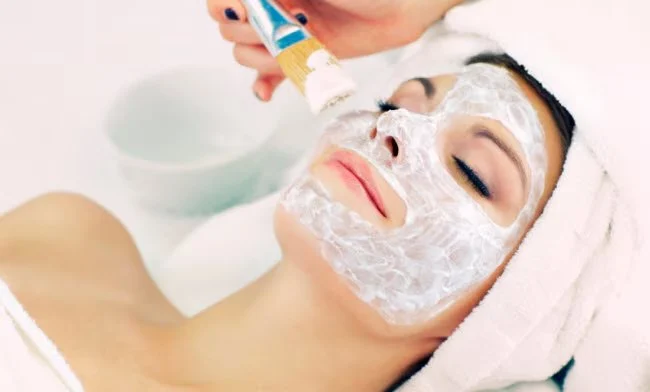
- 1-Understanding-Post-Facial-Care
- 2-Immediate-Steps-After-Your-Facial
- 3-Daily-Routine-for-Optimal-Skin-Recovery
- 4-Diet-and-Lifestyle-Considerations
- 5-Common-Mistakes-to-Avoid
- 6-Professional-Advice-and-Resources
1. Understanding Post-Facial Care
1.1 Why Skin Care After a Facial Matters
After a facial treatment or procedure, your skin becomes more sensitive and vulnerable. Proper aftercare helps prevent irritation, maintain hydration, and prolong the results of the facial. Understanding your skin's specific needs is essential for achieving lasting benefits.
1.2 Types of Facials and Their Effects
Facial treatments vary from deep cleansing and exfoliation to chemical peels and microdermabrasion. Each procedure impacts the skin differently, requiring tailored post-care approaches to minimize redness, swelling, or dryness.
2. Immediate Steps After Your Facial
2.1 Gentle Cleansing
Use a mild, non-abrasive cleanser to remove any residue from the treatment. Avoid harsh scrubs or exfoliants for at least 48 hours to protect your sensitive skin.
2.2 Hydration and Moisturizing
Apply a gentle moisturizer immediately after your facial to lock in hydration. Look for products with soothing ingredients like hyaluronic acid or aloe vera to calm the skin.
2.3 Sun Protection
Your skin is more sensitive to UV rays after a facial. Apply a broad-spectrum sunscreen with at least SPF 30 whenever you go outside, even on cloudy days, to prevent pigmentation and damage.
3. Daily Routine for Optimal Skin Recovery
3.1 Morning Care
Begin each day with a gentle cleanser, followed by moisturizer and sunscreen. Avoid makeup for the first 24 hours if possible to let your skin breathe and recover.
3.2 Evening Care
At night, cleanse your skin gently and apply a nourishing serum or moisturizer. Avoid strong acids or retinol for several days, as these can aggravate the treated skin.
4. Diet and Lifestyle Considerations
4.1 Hydration and Nutrition
Drink plenty of water to support skin recovery. Eat a balanced diet rich in antioxidants, vitamins, and omega-3 fatty acids to promote healing and maintain a healthy glow.
4.2 Avoiding Stress and Excessive Heat
Limit exposure to hot showers, saunas, and strenuous workouts for the first 48 hours. Stress and excessive heat can increase redness and slow down the skin's healing process.
5. Common Mistakes to Avoid
5.1 Over-Cleansing or Exfoliating
Excessive cleansing or exfoliating can strip the skin of natural oils, causing irritation and delaying recovery.
5.2 Using Heavy Makeup Too Soon
Applying heavy makeup immediately after a facial can clog pores and reduce the treatment's effectiveness. Wait at least 24 hours before using foundation or concealer.
6. Professional Advice and Resources
6.1 Following Expert Recommendations
Consult your aesthetician or dermatologist for personalized post-facial care instructions. They can provide guidance based on your skin type and the specific treatment you received.
6.2 Products and Services from SkinCare Experts
For curated skincare products and professional advice, explore SkinCare Experts. Our platform offers top-rated moisturizers, sunscreens, and recovery treatments to help maintain your skin's health and radiance after any facial procedure.



 Lille Piece of Heaven - Beauty Spa4.0 (42 reviews)
 Holistic Rituals Skin Care5.0 (4 reviews)
 Skin 101 Medical Spa4.0 (146 reviews)
 Aesthetic Alchemy5.0 (19 reviews)
 Jelly Skin Studio by MJ5.0 (1 reviews)
 New Skin Clinic | 시카고 뉴스킨 클리닉5.0 (6 reviews)
 Common Mistakes in Using Chemical Exfoliants to Improve Redness
 Guide to Skin Care Treatments for Cleansers for Age Spots Skin
 Everything You Need To Know About Eye Creams To Improve Dry Skin
 Best Practices For Puffy Eyes Using Natural Remedies
 The Benefits of Green Tea for Skin Health
 How to Treat Dehydrated Skin and Restore Moisture