
Effective Ways to Treat Skin Tags with Professional and At-Home Remedies
- 1 - Understanding-Skin-Tags
- 2 - Professional-Treatment-Options
- 3 - At-Home-Remedies-for-Skin-Tags
- 4 - Prevention-and-Skin-Care-Tips
- 5 - When-to-Consult-a-Professional
1. Understanding Skin Tags
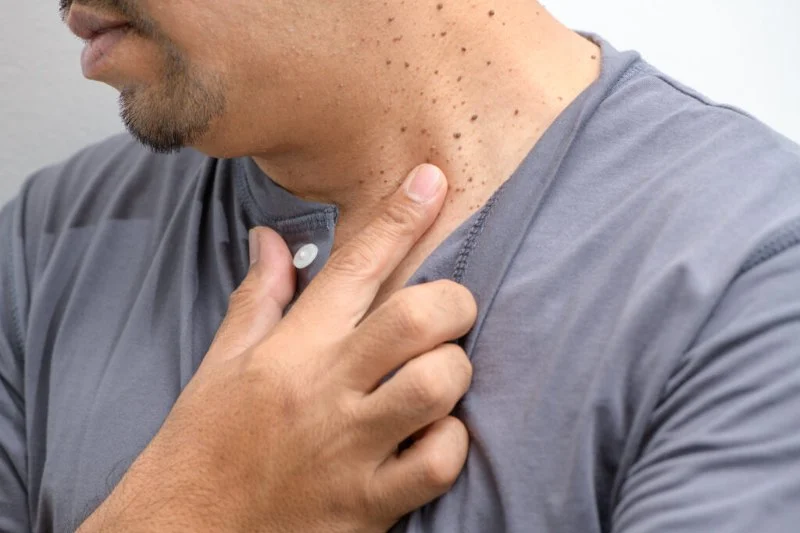
Skin tags, medically known as acrochordons, are small, soft, benign growths often found on the neck, armpits, under the breasts, or around the groin. They are typically harmless but can cause discomfort or irritation, especially if they are rubbed by clothing or jewelry.
1.1 Causes and Risk Factors
Skin tags can appear due to friction, genetics, hormonal changes, or age. Individuals with diabetes or obesity may be more prone to developing these growths. Understanding the cause helps guide treatment and prevention strategies.
1.2 Common Symptoms
Most skin tags are painless, soft, and flesh-colored. While they usually do not indicate any serious medical condition, they can occasionally become irritated or inflamed.
2. Professional Treatment Options
Dermatologists provide several safe and effective treatments for skin tags. Professional removal ensures minimal risk of infection or scarring.
2.1 Cryotherapy
Cryotherapy involves freezing the skin tag with liquid nitrogen. The frozen tissue eventually falls off. This method is quick, often requiring only one session for small tags.
2.2 Surgical Removal
In some cases, dermatologists may use surgical excision to remove larger or stubborn skin tags. Local anesthesia is applied, and the procedure is generally safe with minimal recovery time.
2.3 Ligation
Ligation involves cutting off blood supply to the skin tag using a small band, causing it to fall off naturally within a few days. Dermatologists perform this to ensure safety and reduce complications.
3. At-Home Remedies for Skin Tags
For minor skin tags, several at-home remedies may help, though caution is advised to avoid irritation or infection.
3.1 Over-the-Counter Solutions
Many pharmacies offer skin tag removal kits, including topical solutions that freeze or dry out the growth. Following the instructions carefully is essential for effectiveness and safety.
3.2 Natural Remedies
Some people use natural substances such as tea tree oil, apple cider vinegar, or castor oil to treat skin tags. Apply the chosen remedy carefully with cotton and monitor the area for irritation. Consistency over several days or weeks is typically required.
3.3 Hygiene and Care
Maintaining clean, dry skin reduces irritation. Avoid picking at skin tags, and wash the area gently with mild soap and water to prevent infections.
4. Prevention and Skin Care Tips
Preventing new skin tags involves reducing friction, maintaining a healthy weight, and managing underlying conditions like diabetes. Moisturizing and using gentle skin-care routines can also help keep skin healthy.
4.1 Clothing and Friction
Wear loose-fitting clothing in areas prone to skin tags. Reducing repeated rubbing can minimize the formation of new growths.
4.2 Healthy Lifestyle Choices
Maintaining stable blood sugar levels, eating a balanced diet, and staying active can indirectly reduce the likelihood of developing new skin tags.
5. When to Consult a Professional
It is important to see a dermatologist if a skin tag changes color, grows rapidly, becomes painful, or bleeds. Professional guidance ensures accurate diagnosis and prevents complications.
For a curated selection of professional-grade treatments and expert advice, visit SkinCare Experts. Their recommendations help you choose the safest and most effective options for treating skin tags, whether at home or with professional intervention.





 Dermabliss Skincare By Jean Anne5.0 (2 reviews)
 Laser Skin Care Solutions4.0 (66 reviews)
 New Skin Llc.0.0 (0 reviews)
 Belladonna5.0 (8 reviews)
 Lotus Nails Spa4.0 (133 reviews)
 Love Your Skin Too5.0 (6 reviews)
 Daily Skin Care Routine for Your Dull Skin With These 7 Brightening Tips
 Best Practices For Inflamed Skin In Dry Climates
 How To Avoid Wrinkles In People Living In Humid Climates
 How to Take Care of Your Skin After a Long Day at Work
 How To Nourish Dry Skin Effectively with Proven Skincare Methods
 Skin Care Tips for Treating Scars with Eye Creams