
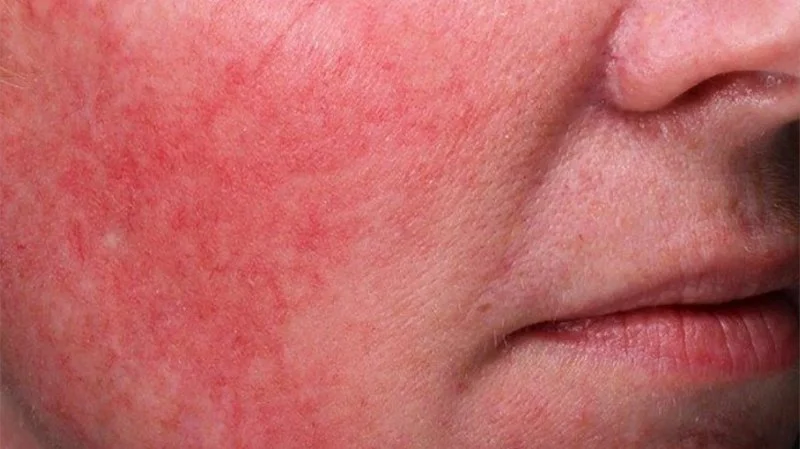
1. Understanding Skin Redness and Inflammation
Skin redness and inflammation are common issues that many people experience at some point. Whether it’s due to allergies, sun exposure, or skin conditions like rosacea, dealing with inflamed skin can be frustrating. Understanding the causes of redness and inflammation is the first step toward finding the right skincare solutions.
1.1 Causes of Skin Redness and Inflammation
Skin redness and inflammation can result from a variety of factors. Some of the most common causes include:
- Sunburn or excessive sun exposure
- Allergic reactions to products or environmental factors
- Chronic skin conditions like rosacea or eczema
- Skin irritations from harsh skincare ingredients
Identifying the root cause of your skin redness will help you choose the most effective treatment and prevent future flare-ups.
2. Choosing the Right Skincare Products for Redness
When selecting skincare products to reduce redness and inflammation, it’s important to choose calming and anti-inflammatory ingredients. These products help soothe irritated skin and restore its natural balance.
2.1 Key Ingredients to Look for
Some ingredients are known for their calming and anti-inflammatory properties. Here are a few you should look for when shopping for skincare products:
- Aloe Vera: Known for its soothing and cooling properties, aloe vera can help reduce redness and promote healing.
- Chamomile: Chamomile has anti-inflammatory properties that help calm irritated skin.
- Niacinamide (Vitamin B3): This ingredient helps strengthen the skin’s barrier and reduce redness and irritation.
- Green Tea Extract: Rich in antioxidants, green tea extract can help reduce inflammation and protect the skin from further damage.
- Centella Asiatica (Cica): This plant extract is known for its healing and calming effects on sensitive skin.
Incorporating products with these ingredients can make a noticeable difference in reducing skin redness and inflammation over time.
2.2 Avoid Harsh Ingredients
When dealing with red and inflamed skin, it’s essential to avoid harsh ingredients that can exacerbate the problem. These include:
- Alcohol-based toners and astringents
- Fragrances and artificial dyes
- Harsh exfoliants and physical scrubs
Opt for gentle, fragrance-free products that are designed for sensitive skin to minimize irritation.
3. Skincare Routine for Redness and Inflammation
To effectively combat skin redness and inflammation, it's essential to establish a skincare routine that focuses on soothing and repairing your skin. Below is a basic skincare routine that can help calm irritated skin.
3.1 Cleanser
Start with a gentle, hydrating cleanser that won’t strip your skin of its natural oils. Avoid cleansers with strong fragrances or harsh chemicals. A mild, fragrance-free cleanser is ideal for sensitive and inflamed skin.
3.2 Toner
Choose a toner that helps balance your skin’s pH levels without causing irritation. Opt for soothing toners with ingredients like aloe vera, rose water, or chamomile.
3.3 Serum
A calming serum containing ingredients like niacinamide or Centella Asiatica can target redness and help strengthen the skin barrier. Apply a few drops of serum to your face, focusing on areas that are more inflamed.
3.4 Moisturizer
Moisturizing is crucial for healing inflamed skin. Look for a thick, emollient moisturizer that helps lock in hydration and protects the skin’s barrier. Creams with ceramides and fatty acids are excellent options.
3.5 Sunscreen
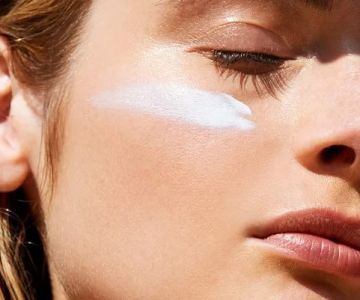
Always wear sunscreen during the day, especially when your skin is inflamed. Sunscreen helps protect your skin from further irritation and damage caused by UV rays. Choose a broad-spectrum sunscreen with at least SPF 30.
4. Lifestyle Tips to Reduce Skin Redness
In addition to skincare products, there are lifestyle changes you can make to help reduce skin redness and inflammation.
4.1 Stay Hydrated
Drinking plenty of water helps keep your skin hydrated from within, which can reduce the appearance of redness and irritation.
4.2 Avoid Triggers
Identify environmental or dietary triggers that may worsen your skin’s condition. These could include spicy foods, alcohol, or exposure to extreme temperatures. Avoiding these triggers can help prevent flare-ups.
4.3 Stress Management
Stress is a known trigger for skin issues, including redness and inflammation. Practice stress-reducing techniques like yoga, meditation, or deep breathing to maintain healthy skin.
5. Conclusion
Getting rid of skin redness and inflammation requires the right combination of skincare products and habits. By choosing gentle, anti-inflammatory ingredients and establishing a calming skincare routine, you can soothe your skin and reduce irritation. For more personalized skincare advice and recommendations, visit SkinCare Experts for the best products suited to your needs.





 QUANDRA LEE MAKEUP + SKINCARE5.0 (50 reviews)
 New Way Skin Care0.0 (0 reviews)
 Skin & Laser Surgery Center of New England4.0 (39 reviews)
 Advanced Skincare by Lisa Castro, LLC5.0 (30 reviews)
 Face of Grace5.0 (28 reviews)
 Total Skin Care5.0 (8 reviews)
 How To Achieve Puffy Eyes With A Simple Routine
 How to Treat Acne with Natural Remedies: Tips and Techniques
 Why You Should Add Jojoba Oil to Your Skin Care Routine for Maximum Hydration
 How To Get Rid Of Age Spots And How To Manage It
 How To Get Rid Of Fine Lines With A Simple Routine
 5 Must-Have Skincare Products for Sensitive Skin